 Μake us preferred on Google
 On this day, May 6, 1952, the global education community said goodbye to the woman who forever changed how we understand childhood. Maria Montessori is considered a revolutionary in the field of education, the method she developed overturned traditional approaches to teaching. Over the decades, her ideas spread worldwide and were scientifically validated, cementing her place as one of the most influential figures in the history of pedagogy.
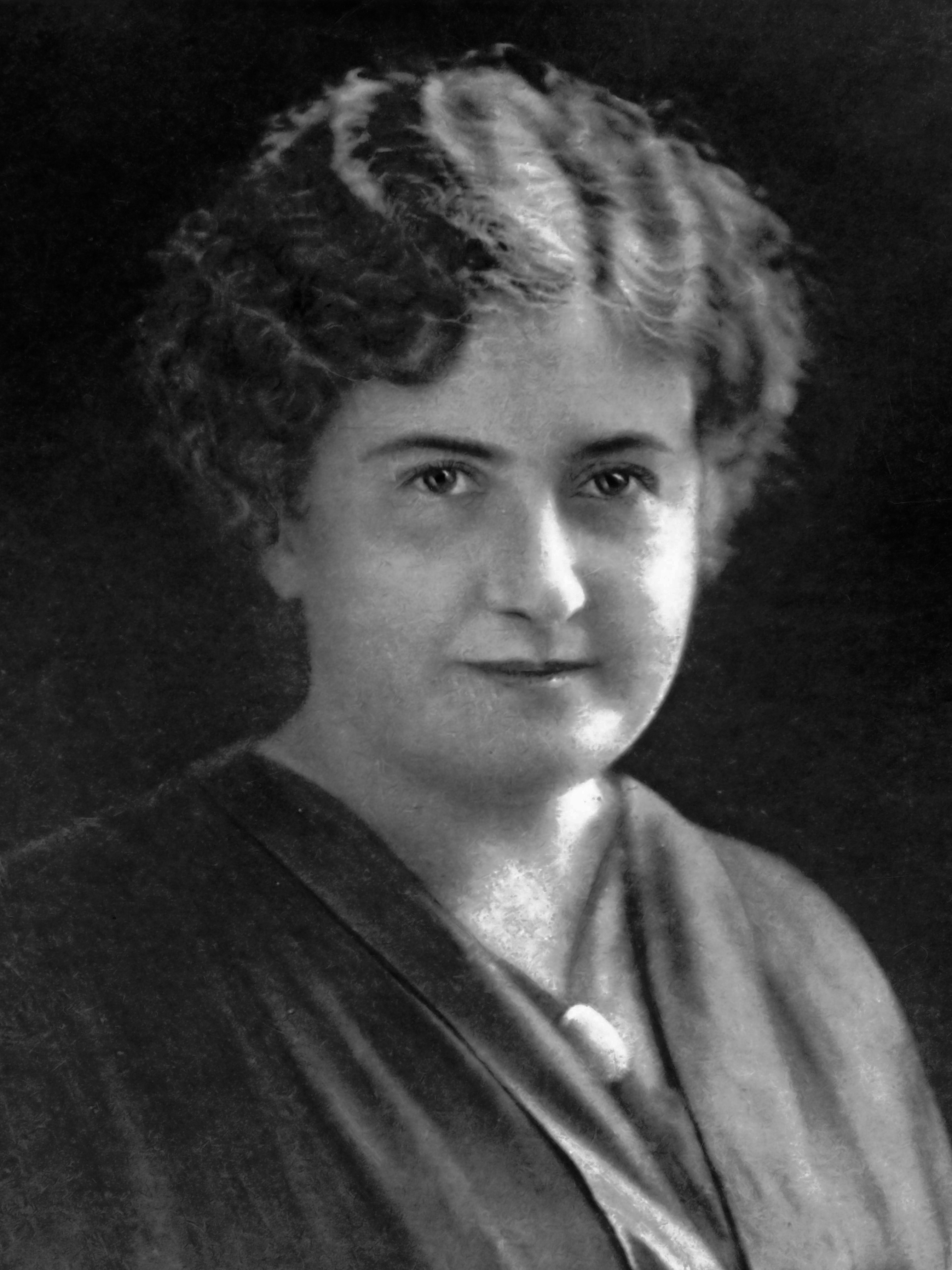
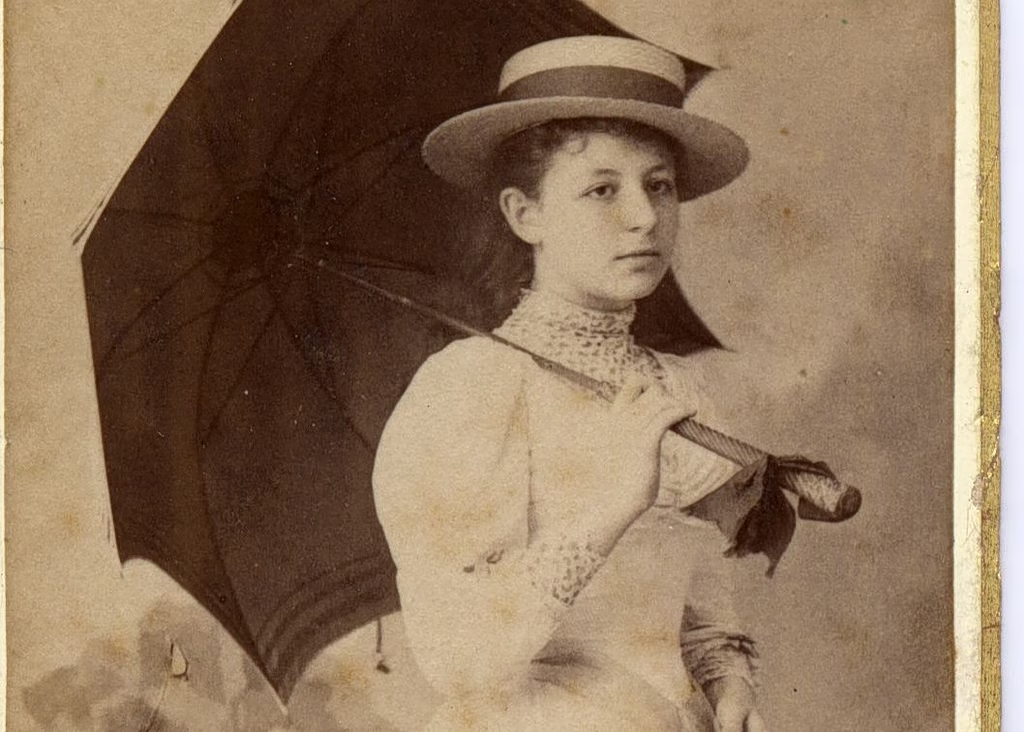
Doctor Maria Montessori (1870-1952) Italiaans pedagoog en arts
There is a popular myth that she was the first Italian woman to become a doctor. In reality, she was the first to graduate from the Medical School of the University of Rome in 1896. The misconception stems largely from the enormous fame she later achieved, which overshadowed earlier cases, as well as the significant obstacles she had to overcome just to be admitted and study at the university.
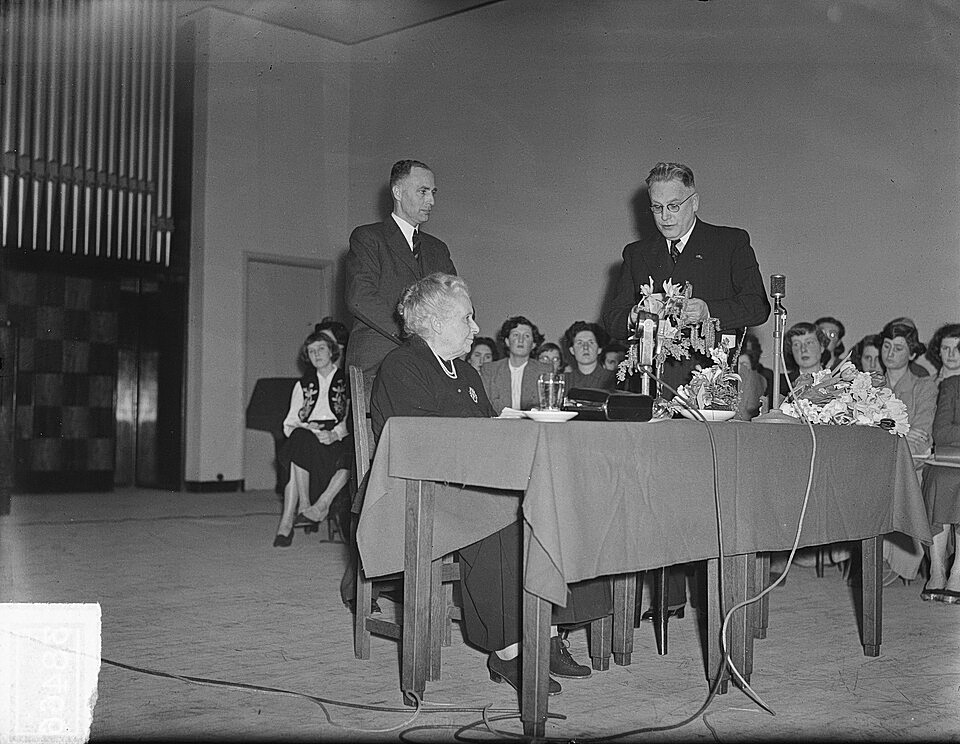
Montessori lived to see her method become a global phenomenon, despite the hardships brought on by world political events.
In 1907, she founded the school known as “Casa dei Bambini” (Children’s House) in one of Rome’s most disadvantaged neighborhoods, serving children from poor families who were considered “unteachable.”
After the founding of the Casa dei Bambini, her reputation skyrocketed. She published her first book and traveled to the United States, where she was received with great enthusiasm.
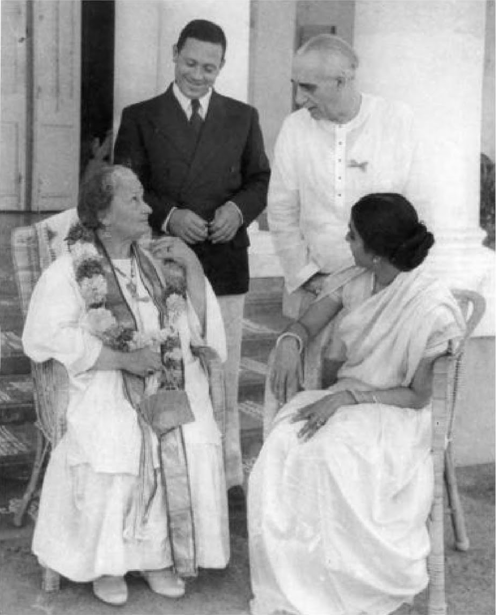
However, the rise of fascism in Italy proved a major obstacle. A clash with Mussolini was inevitable since Montessori championed freedom and peace, while the dictator wanted disciplined soldiers. During World War II, Montessori schools were shut down, books were burned, and Montessori went into voluntary exile in India, where she developed close relationships with Mahatma Gandhi and Jawaharlal Nehru, both of whom admired her philosophy.
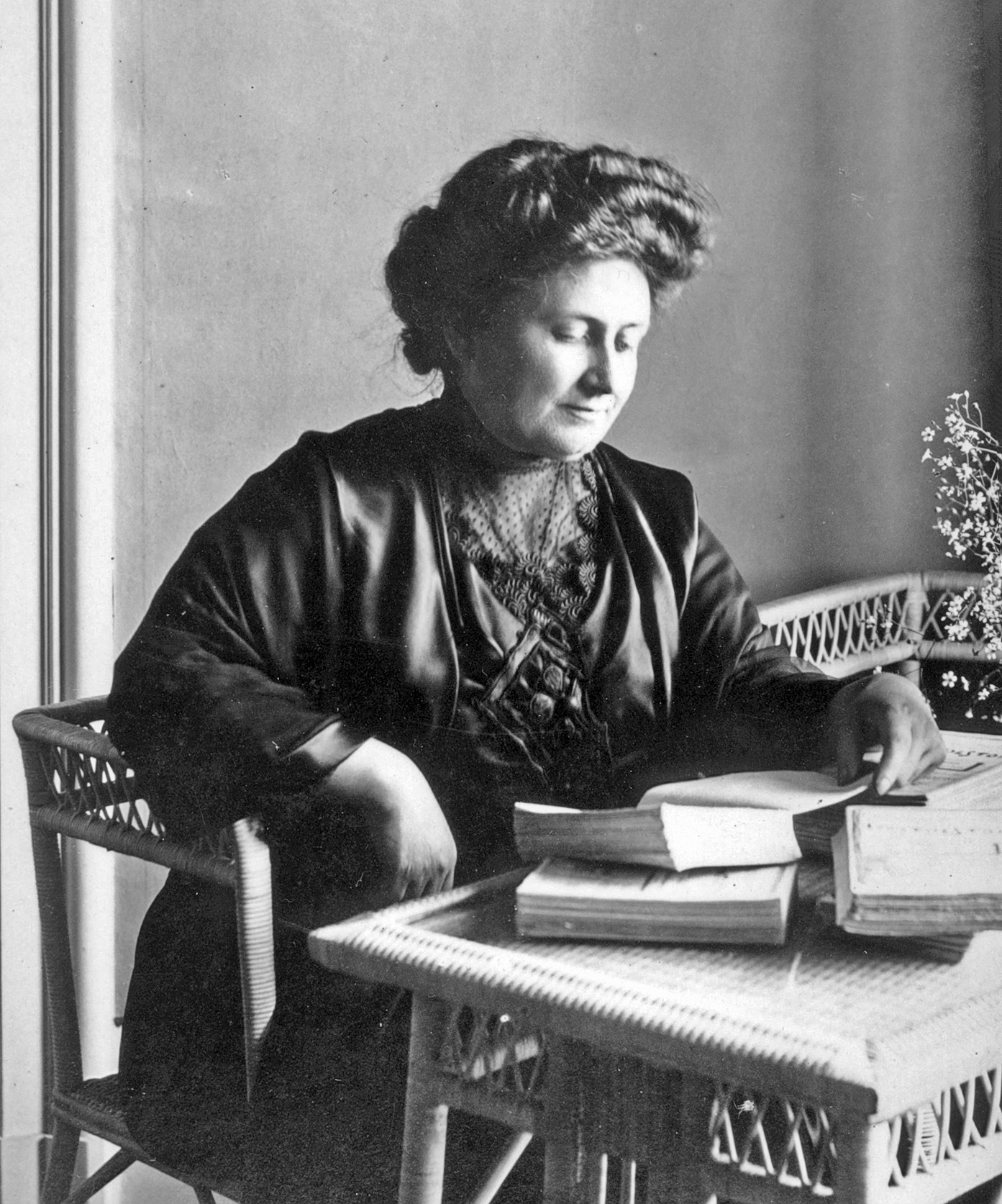
Montessori believed that in the early years, from birth to age six, children are especially receptive to certain cognitive stimuli, possessing the greatest capacity to learn and the deepest thirst for knowledge. The core of her thinking was the conviction that the environment shapes development, and that a child should be treated as an autonomous individual, not a passive recipient of knowledge.
More than half a century after her death, a study published in 2006 showed that students in Montessori schools develop better academic and social skills than those in conventional schools. By age five, Montessori children outperform peers in reading and math, and are more likely to play cooperatively. By age twelve, they demonstrate greater creativity and stronger problem-solving abilities.
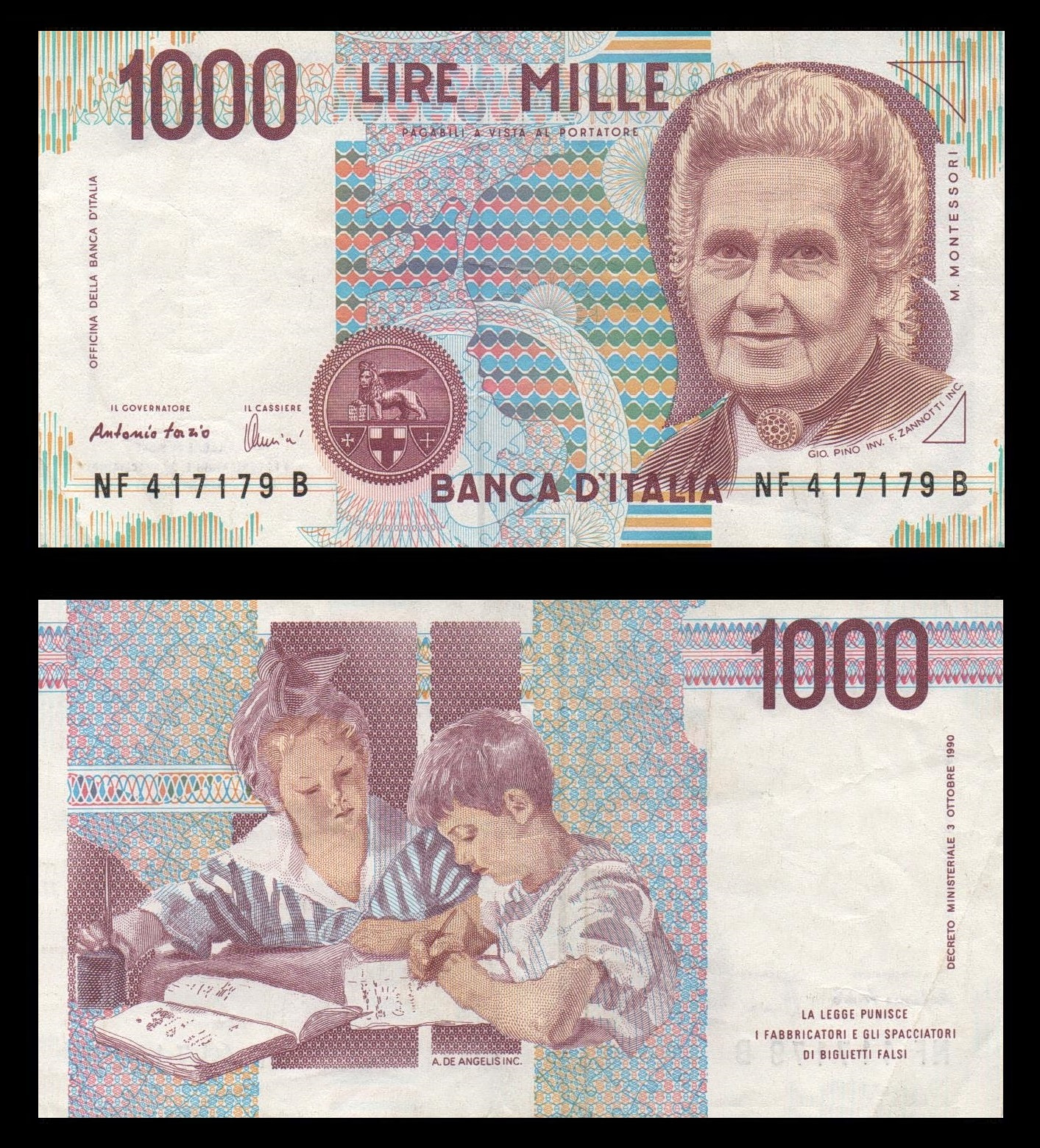
Maria Montessori died of a cerebral hemorrhage on May 6, 1952, at the age of 81. Today, 74 years after her passing, her educational approach remains firmly embedded in modern pedagogy, continuing to guide parents and educators around the world.