 Μake us preferred on Google
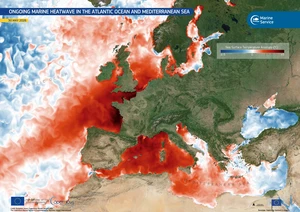
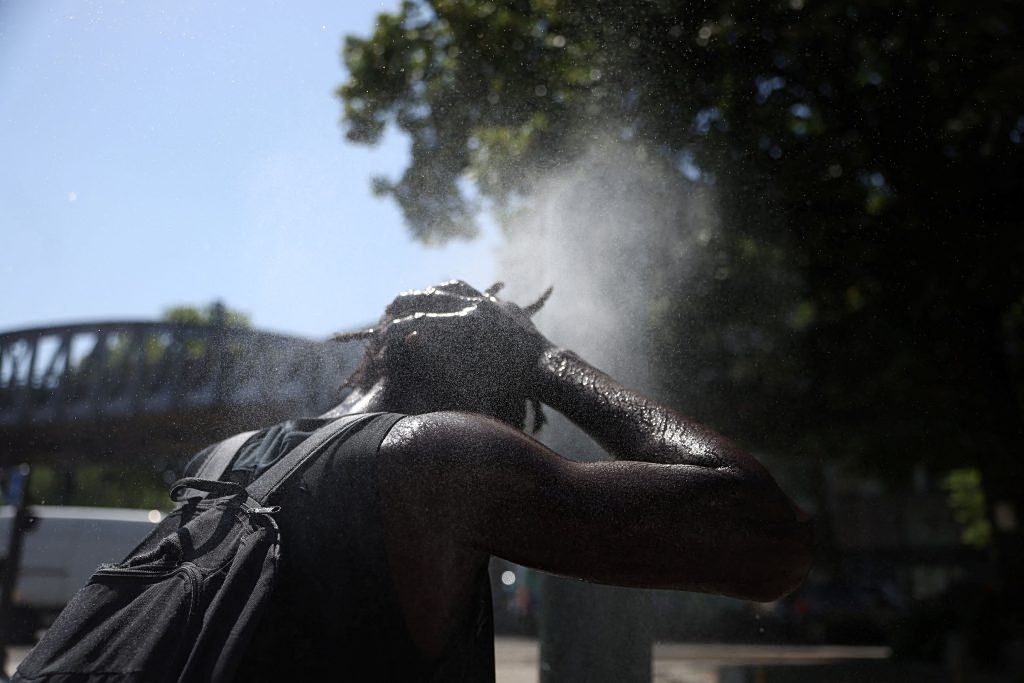
 Europe is in the grip of one of the most intense heat events in decades, with France at the center of the crisis. Extreme temperatures have caused dozens of deaths, disrupted transportation, forced school closures, and shut down tourist sites, while concerns are mounting over serious damage to agricultural output.
In France, where temperatures are reaching 40 degrees Celsius and are expected to hit 43 in some areas, authorities have placed more than half of the country’s administrative departments under a red alert. Monday was recorded as the hottest day and night since 1947, when official measurements began.
The death toll has already proven serious. According to Prime Minister Sebastien Lecornu, 40 people have drowned since June 18 while trying to cool off in rivers, lakes, and canals, with most victims being young. Two small children, ages two and four, also died after being found unconscious inside a parked vehicle in southeastern France.
Meteorologists attribute the heatwave to a powerful “omega blocking” weather pattern, in which warm air masses become trapped between cooler systems and linger for days over the same region. Experts warn that climate change is making such events increasingly frequent and severe. France’s national weather service is already drawing comparisons to the historic 2003 heatwave, which caused approximately 80,000 excess deaths across Europe.
Paris Landmarks Scale Back
In Paris, the extreme heat has affected even the most iconic destinations. The Eiffel Tower was forced to limit operations, while the Louvre announced it would close at 4:00 p.m. instead of 6:00 p.m. from Wednesday through Saturday. Museum management explained that the historic building remains vulnerable to extreme temperatures and is not sufficiently adapted to the effects of climate change, noting that heat accumulates in the afternoon hours and is compounded by large visitor crowds, making conditions difficult for both staff and visitors.
Agricultural and Economic Impact
The consequences extend well beyond daily life. Analysts estimate that France, the European Union’s largest grain producer, could face significant losses in corn and wheat output. Markets reacted swiftly, with wheat and corn futures on Euronext rising by roughly 3%.
The Rest of Europe
Italy is also contending with extreme conditions. The Health Ministry issued its highest level of alert for 15 cities, while authorities imposed work restrictions in certain sectors to protect laborers. Severe thunderstorms with heavy rain, strong winds, and hail are expected in the Alps and Apennines.
In the United Kingdom, temperatures in southern England are forecast to reach as high as 37 degrees Celsius, a level that could set a new June record. Dozens of schools have scheduled early closures, and transportation networks are under pressure.
Spain is facing temperatures of up to 44 degrees Celsius. The national weather service has issued red alerts for many parts of the country, and dozens of municipalities in northern Spain canceled traditional midsummer bonfires due to the elevated wildfire risk. Cooling centers have been opened in Madrid for homeless individuals and other vulnerable groups, offering air conditioning, basic meals, showers, and rest areas.
In Switzerland, authorities in the canton of St. Gallen imposed restrictions on water extraction from rivers and lakes, as prolonged heat and a lack of rainfall have significantly reduced available water reserves.
Tourism and Travel Shifts
The heatwave appears to be reshaping travel patterns as well. A growing number of vacationers are opting for northern destinations in search of cooler temperatures. In several European cities, demand for fans and air conditioning units has surged, while local authorities are keeping parks open overnight to give residents somewhere to escape the heat.
Scientists warn that Europe is warming at more than twice the global average rate, making prolonged and extreme heatwaves an increasingly common feature of European summers.