
 Μake us preferred on Google
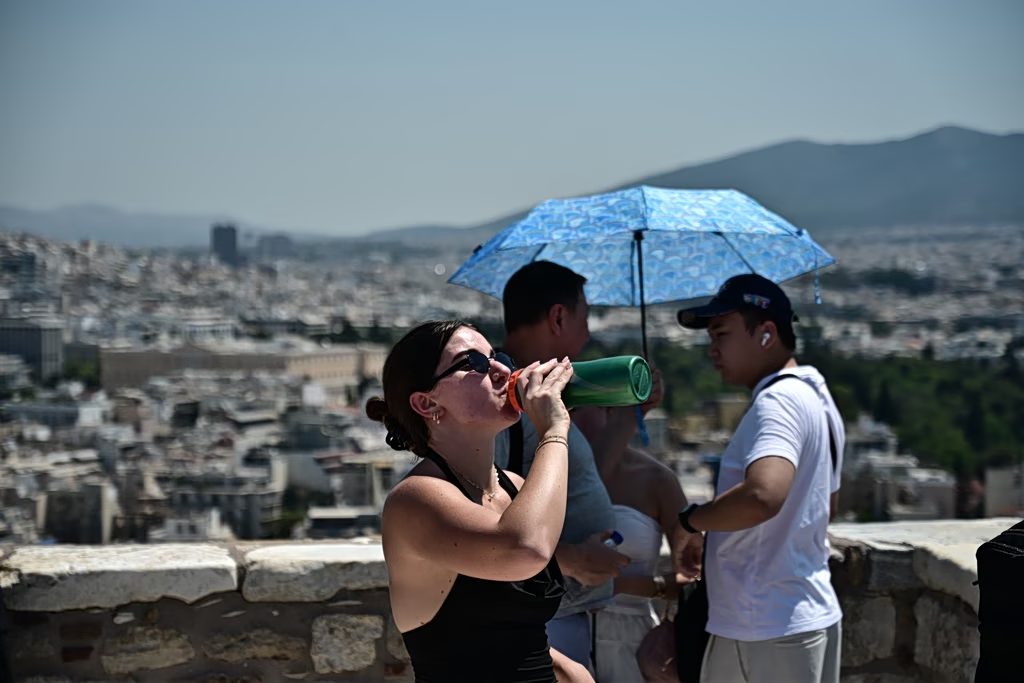
 As prolonged heatwaves become more frequent, health experts are warning that extreme temperatures are evolving into one of the most significant public health threats.
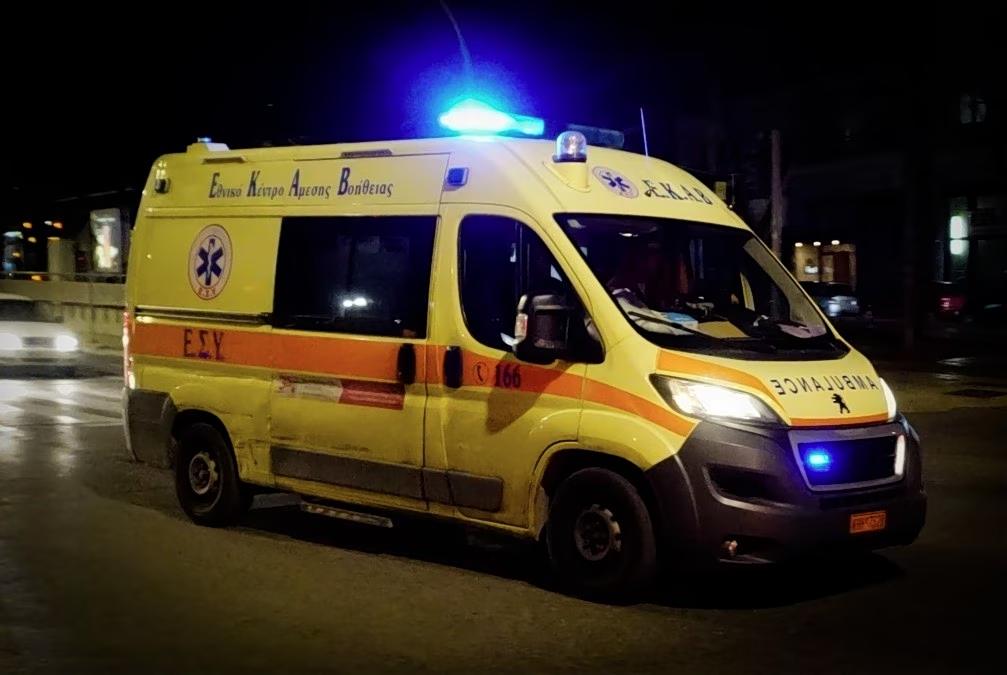
According to specialists, heatwaves do far more than cause discomfort. They can lead to heat exhaustion, heatstroke, worsening chronic illnesses and a rise in hospital admissions, particularly among older adults and people with cardiovascular or respiratory conditions.
The concern is not limited to one country. Recent heatwaves across Europe have been linked to numerous deaths, highlighting the growing impact of extreme heat on public health.
Nighttime Heatwaves Increase Risks
Experts are also raising concerns about the increasing occurrence of so-called “nighttime heatwaves,” especially in large urban areas where temperatures remain high even after sunset.
When temperatures fail to cool overnight, the body has less opportunity to recover from the heat stress accumulated during the day. This can increase the overall burden on health and make prolonged heat exposure more dangerous.
Who Is Most at Risk?
Health specialists identify older adults, young children and people living with chronic diseases as the most vulnerable groups.
Patients suffering from chronic obstructive pulmonary disease (COPD), asthma, coronary artery disease, heart failure or uncontrolled hypertension face elevated risks during periods of extreme heat.
High temperatures force the body to work harder to regulate its internal temperature. Blood vessels dilate to release heat, the heart increases its workload to maintain blood circulation, and heavy sweating can result in significant losses of fluids and electrolytes.
When these mechanisms are overwhelmed, symptoms such as weakness, dizziness, headaches, muscle cramps, rapid heartbeat and severe fatigue may develop.
In the most serious cases, heatstroke can occur. This medical emergency is characterized by a body temperature exceeding 40°C, confusion, loss of consciousness and the risk of multiple organ failure.
Additional Factors That Increase Danger
Experts note that high humidity can make heatwaves even more dangerous by reducing the body’s ability to cool itself through sweating.
The first days of a heatwave may also be particularly hazardous, as the body has not yet adapted to the higher temperatures.
Other factors that increase the risk of heat-related illness include alcohol consumption, intense physical activity, the use of certain medications such as diuretics, and staying in poorly ventilated or non-air-conditioned spaces.
Older adults living alone and people with chronic illnesses require special attention, experts say. They are advised to follow medical guidance carefully and seek immediate medical help if they experience symptoms such as shortness of breath, chest pain, confusion or signs of heatstroke.
Warning Signs Not to Ignore
Health experts urge the public to watch for symptoms that may indicate heat-related illness, including:
- Severe weakness and fatigue
- Dizziness, headaches or fainting
- Intense thirst and muscle cramps
- Rapid heartbeat or palpitations
- Shortness of breath
- Chest pain or pressure
- Confusion, disorientation or unusual drowsiness
Confusion, loss of consciousness or a body temperature above 40°C may signal heatstroke and require urgent medical attention.
How to Stay Safe During a Heatwave
Specialists recommend several preventive measures:
- Avoid direct sun exposure between 11 a.m. and 4 p.m.
- Stay in cool or air-conditioned environments
- Drink water regularly, even if you do not feel thirsty
- Limit alcohol and high-caffeine beverages
- Choose light meals, including fruits, vegetables and salads
- Avoid strenuous exercise and heavy physical work
- Take lukewarm showers or use cool compresses on the face and neck
- Check regularly on older people who live alone
People with chronic respiratory conditions should continue taking their prescribed treatments and follow medical instructions if symptoms such as shortness of breath or coughing develop.
Experts also note that some patients with hypertension may require adjustments to their medication during the summer, as blood pressure can decrease in high temperatures.