 Μake us preferred on Google
 The debate over the EU’s new budget for 2028-2034 is turning into a critical negotiation for the future of European fisheries. On one side, a drastic reduction in available resources is on the table. On the other, the way is now opening for funding the renewal of the aging fishing fleet.
The decisions directly affect thousands of fishers across Europe, at a time when the sector is already facing higher operating costs and, according to the industry, new pressure from rising oil prices.
The current European Maritime, Fisheries and Aquaculture Fund (EMFAF) has about 6 billion euros for the 2021-2027 period. The big question is what will happen after 2027.
From 6 Billion to 2 Billion Euros?
The European Commission’s initial proposal for the 2028-2034 budget provides for fisheries funding to be merged into a broader fund covering many different policies.
At the same time, according to the figures presented, the initial proposal limits the resources available for fisheries to 2 billion euros, about 67% lower than current funding.
According to industry representatives, proposals raising the amount to around 4 billion euros have been discussed in the Council of the EU.
The European Parliament is moving in the opposite direction, supporting funding even higher than the current level, at 7.3 billion euros for the 2028-2034 period.
The gap between the three approaches is therefore huge and points to a difficult negotiation.
Money for New Vessels Too
Alongside the budget battle, the debate over the revision of the Common Fisheries Policy (CFP) is also underway. Here, there has been a significant development.
The Council, which represents the governments of the member states, has adopted a position allowing aid for the renewal of fishing vessels, something that is not currently funded in the same way.
Twelve member states have asked for the obstacles that make it difficult to finance fleet modernization to be removed.
The change, however, comes with limits: EU aid must not lead to an increase in fishing capacity and, as a result, greater pressure on fish stocks.
An Aging Fleet
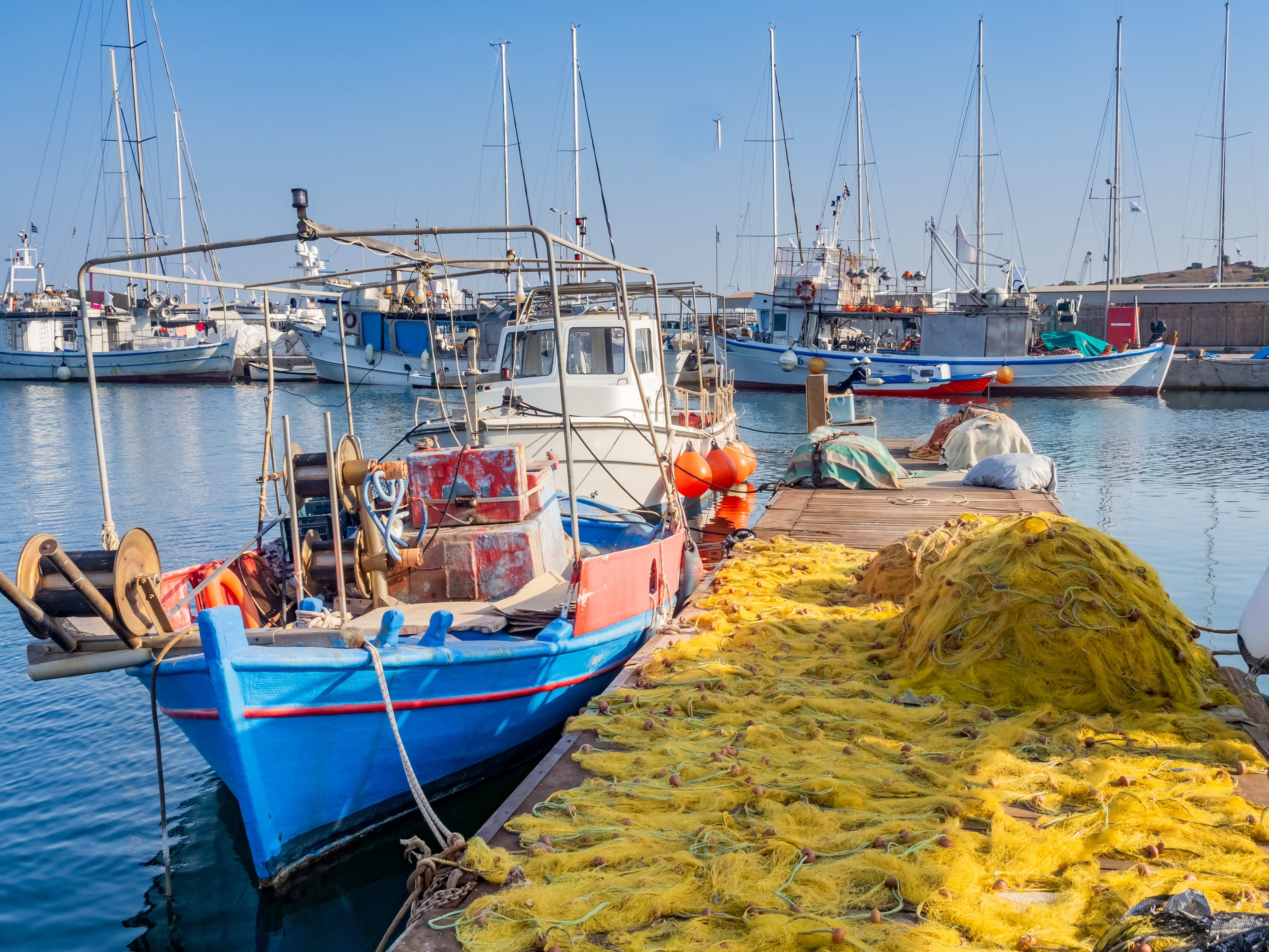
The problem is becoming more pressing because of the age of Europe’s fishing vessels. A large part of the fleet is now more than 30 years old.
The EU has about 70,000 fishing vessels in total.
For the sector, renewal is not only about productivity. It is linked to lower fuel consumption, energy efficiency, safety, and working conditions on board.
There is also the major problem of generational renewal. The fishing sector struggles to attract young workers, and its representatives argue that a decades-old fleet, with difficult living and working conditions, makes the profession even less attractive.
Fears of Frozen Investments
European regions that rely heavily on fishing are already warning that a major cut in funding could lead to investments in modernizing the sector being postponed or canceled.
Fisheries Local Action Groups, which bring together municipalities, fishers’ organizations, and civil society bodies, share the same concern. They are calling for dedicated, clearly defined funding for fishing communities to be maintained, without cuts.
The final battle will be fought over the EU budget. The dilemma is now clear: Europe recognizes that it needs newer, safer, and more energy-efficient fishing vessels, while at the same time it is considering a significant cut in the money it allocates to fisheries.
For countries with large coastal and island economies, such as Greece, the outcome of the negotiation for 2028-2034 is therefore particularly important.
A.G