 Μake us preferred on Google
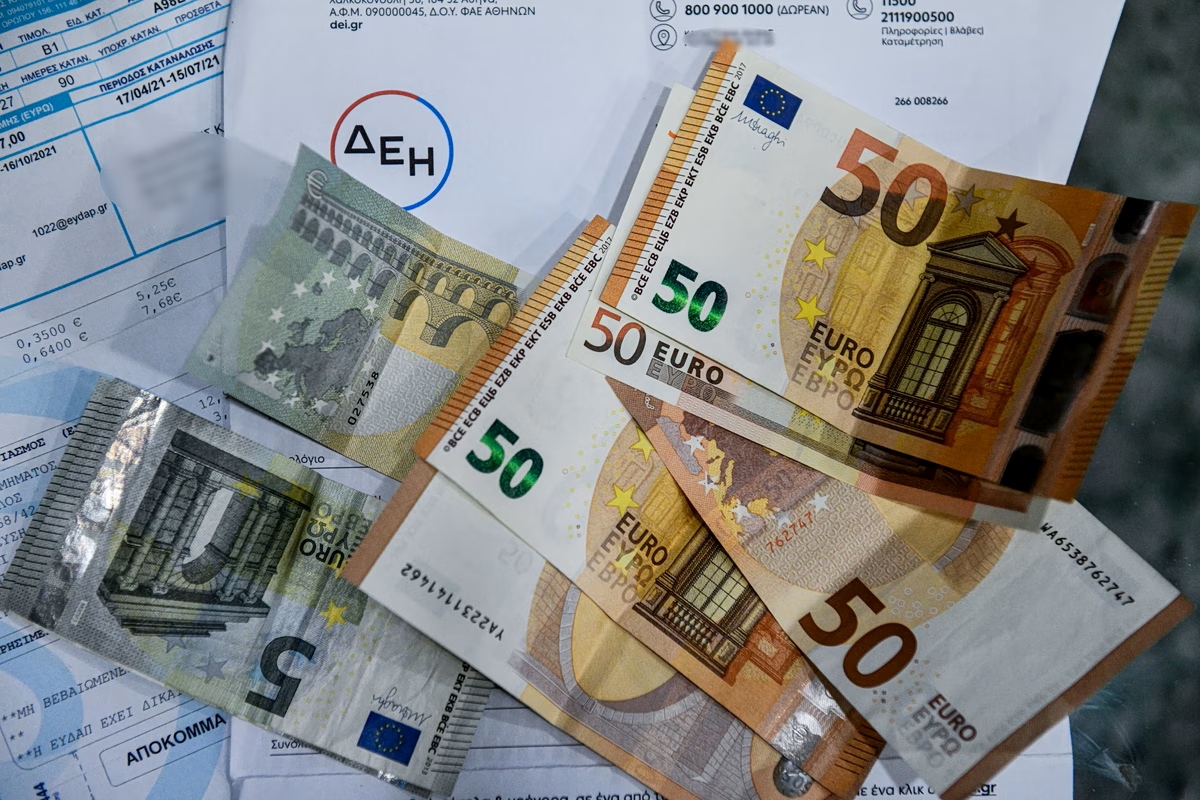
 Yet another clever method of money laundering has been uncovered in Greece, with illicit funds allegedly being routed through ordinary utility payments and subsequently returned “washed” as legitimate refunds.
An extensive investigation by Greece’s Anti-Money Laundering Authority found that individuals were making unusually large payments to utility companies, often far exceeding their actual obligations, before requesting that the excess amounts be refunded.
The scheme effectively turned utility providers into unwitting intermediaries for the legalization of criminal proceeds. Once the money was returned, it appeared in bank accounts as a routine refund arising from a legitimate commercial transaction, giving the funds an appearance of legality and allowing them to be introduced into the legitimate economy.
According to the findings, the money was often transferred through cards or other financial instruments held with institutions outside Greece. Large credit balances were built up in customers’ accounts with utility providers, after which the customers requested refunds. In some cases, the refunded money was sent to accounts different from those used to make the original payments. The same bank account could also receive multiple refunds from different utility companies within a short period, further obscuring the origin of the funds.
Authorities said the underlying funds could not be justified by the tax records or broader financial circumstances of the people involved and were therefore considered suspicious. In some cases, they were allegedly linked to fraud, including offenses committed through the banking system.
The investigation identified several warning signs that could help banks and utility companies detect similar activity. These include payments made despite the absence of an outstanding bill, unusually large amounts compared with actual consumption, frequent payments resembling bank deposits, repeated use of different payment instruments and transactions originating from financial institutions outside Greece.
Other warning signs include rapidly accumulating credit balances, repeated requests for refunds and the transfer of refunds to accounts other than those used for the original payments. Particular attention is warranted when a single account receives multiple refunds from different utility providers over a short period, or when the resulting income is inconsistent with the recipient’s declared financial profile.