 Μake us preferred on Google
 The current oil and gas crisis triggered by the blockade of the Strait of Hormuz is more severe than previous global energy disruptions, according to the head of the International Energy Agency.
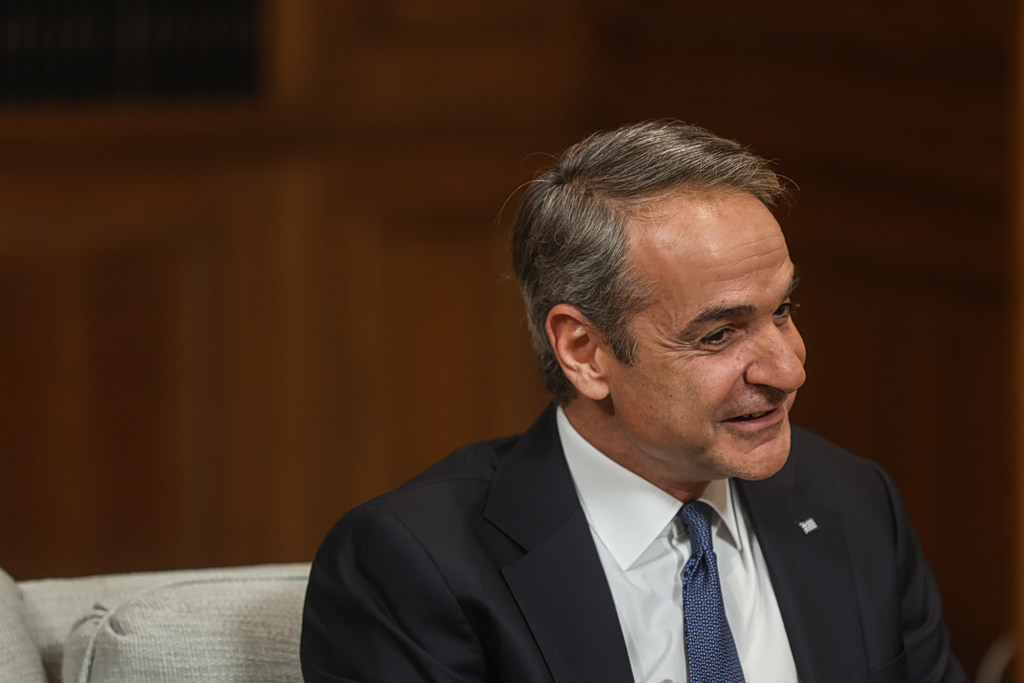
Fatih Birol said the situation is “more serious than the ones in 1973, 1979 and 2022 together,” adding that the world has never experienced such a large-scale disruption to energy supply.
Global impact felt across economies
In comments published in an interview with Le Figaro, Birol warned that Europe, Japan, Australia and f-the-energy-fallout/will be affected by rising oil and gas prices.
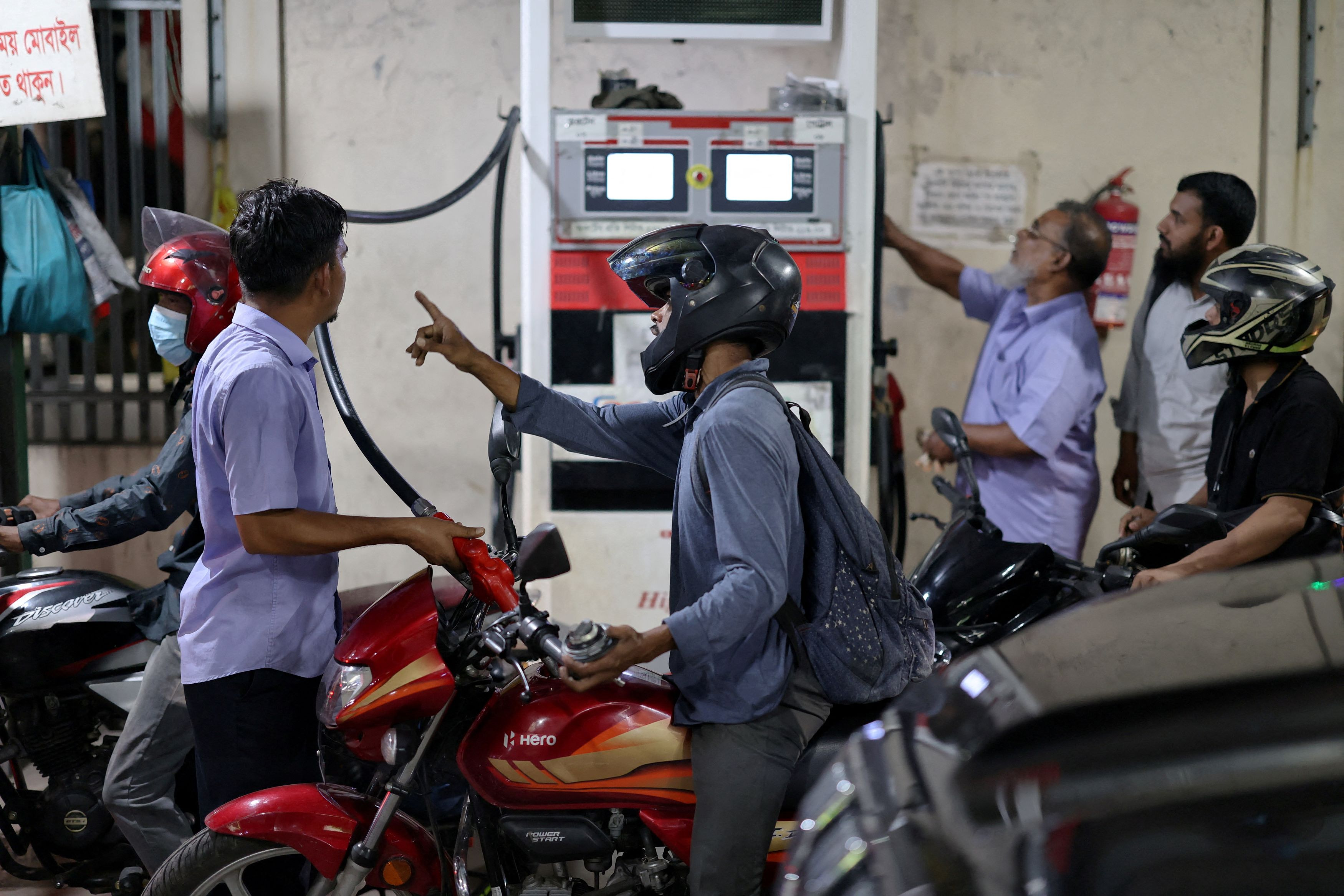
He said developing countries are at greatest risk, facing higher energy costs alongside increased food prices and broader inflationary pressures.
Strategic reserves being used
Birol said member countries of the International Energy Agency agreed last month to release part of their strategic oil reserves in response to the crisis.
Some of these reserves have already been deployed, and the process is ongoing as governments attempt to stabilize markets.
The crisis follows the near-total blockade of the Strait of Hormuz by Iran amid escalating conflict involving the United States and Israel.
The waterway is a critical global energy corridor through which roughly 20% of the world’s oil and gas flows, making it central to international energy security.