
 Μake us preferred on Google
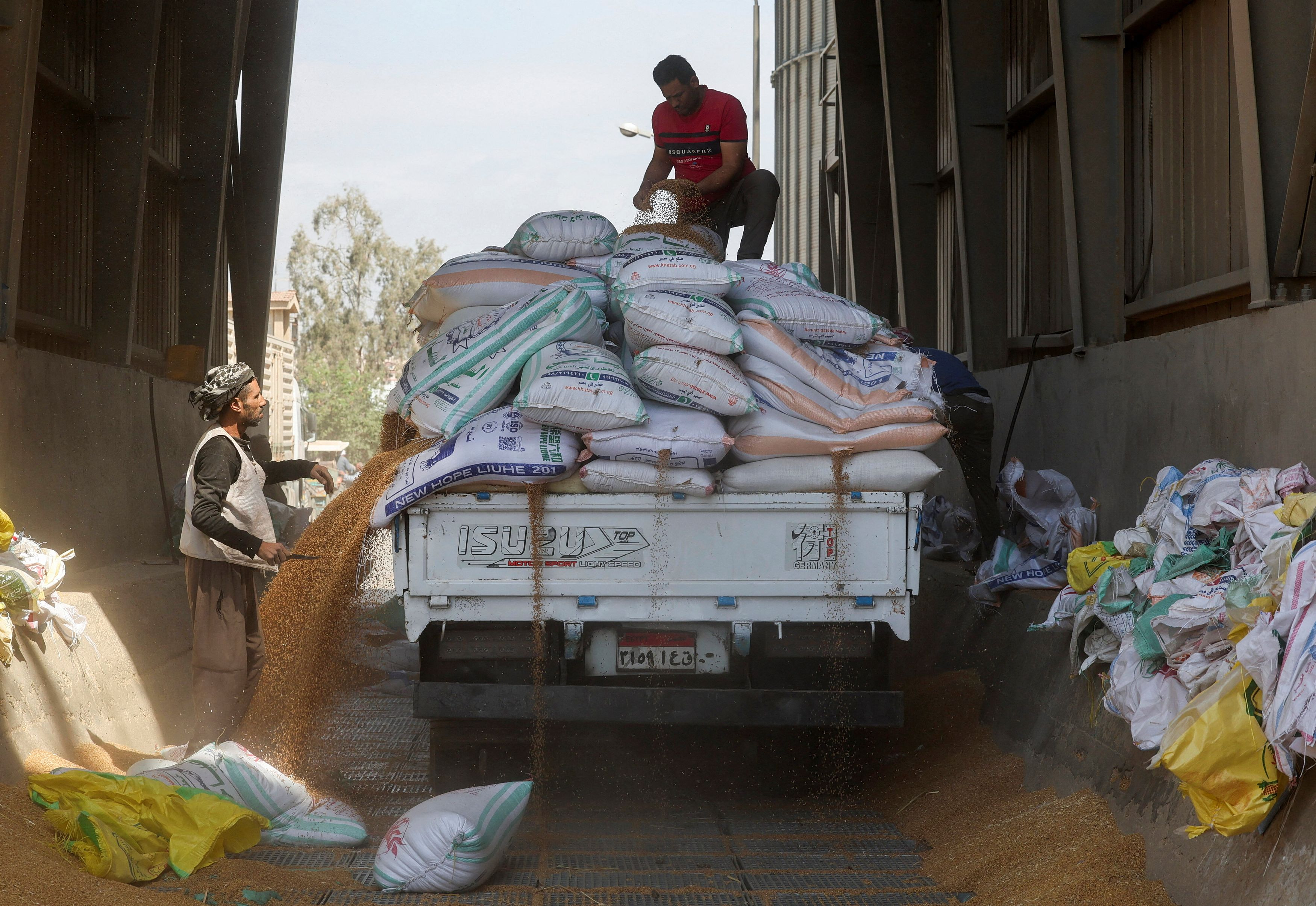
 Egypt is seeking to establish itself as a global center for grain trading, storage and processing, according to Supply Minister Sherif Farouk, who outlined the country’s plans during a grains industry event in the Russian city of Sochi.
Speaking on Friday, Farouk said Egypt is pursuing a broad strategy aimed at transforming the country into a key hub for grain-related activities serving the Middle East, Africa and other regions.
The initiative comes as Egypt remains the world’s largest buyer of Russian wheat and continues to strengthen its role in international agricultural commodity markets.
Expanding Grain Infrastructure
Farouk said the planned project would involve the development of modern grain infrastructure, including advanced storage facilities, transportation networks, processing centers and grain elevators.
“In this context, Egypt now wants to establish a global hub for grains,” he said.
The strategy is designed to enhance the country’s capacity not only to store and process grain crops but also to facilitate regional and international trade in agricultural commodities.
Cooperation With Russia
The minister also highlighted the potential for closer cooperation between Egyptian and Russian commodity exchanges as part of efforts to modernize Egypt’s grain trading system.
According to Farouk, collaboration could focus on upgrading trading infrastructure, developing pricing benchmarks and improving transparency throughout supply chains.
He added that Egypt intends to continue working with Russia on grain-tracking technologies and systems aimed at improving oversight of commodity movements and market operations.
Focus on Transparency and Market Resilience
Farouk said the planned reforms are intended to strengthen transparency within strategic commodity markets while making supply chains more resilient to disruptions.
“Egypt will continue to strengthen its relationship with Russia in developing grain tracking systems,” he said. “All these efforts will help us improve transparency and resilience in the strategic commodity market.”