 Μake us preferred on Google
 Iran reaffirmed that its nuclear policy will not significantly change under its new supreme leader, while calling for a new regional protocol to govern navigation through the strategic Strait of Hormuz after the ongoing U.S.-Israeli war.
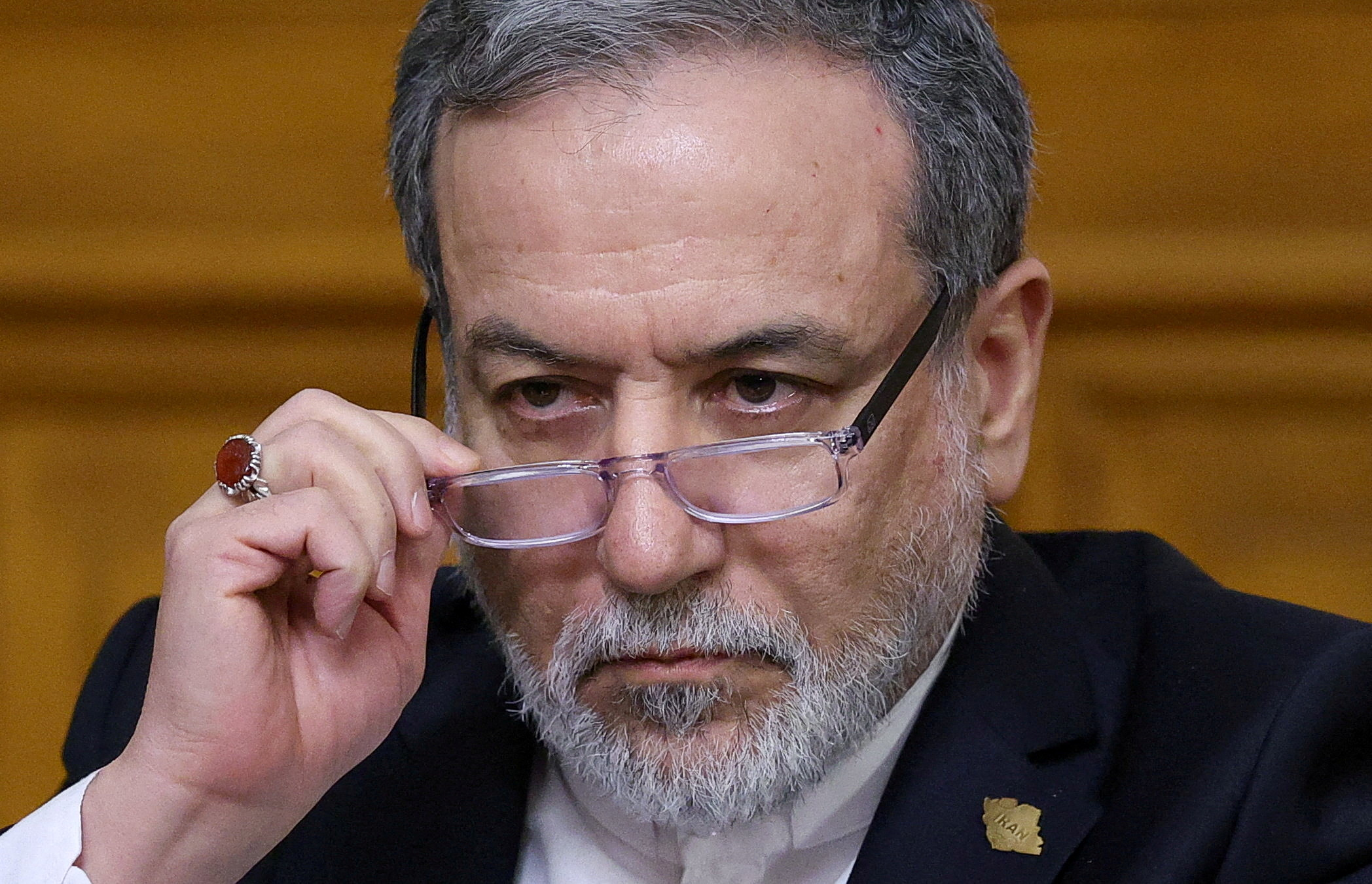
Iranian Foreign Minister Abbas Araqchi told Al Jazeera, as reported by Iranian media, that the fatwa issued by former Supreme Leader Ayatollah Ali Khamenei against nuclear weapons remains influential. Araqchi added he cannot yet comment on the views of Mojtaba Khamenei, the country’s new supreme leader, regarding nuclear policy.
Western nations, including the United States and Israel, have long accused Iran of seeking nuclear weapons, while Tehran insists its program is strictly civilian.
Strait of Hormuz: New Rules Urged
Araqchi emphasized that after the war ends, Gulf nations should establish a new protocol for the Strait of Hormuz, the narrow waterway through which roughly 20% of the world’s oil and liquefied natural gas flows. Iran has shut the strait to shipments destined for the U.S., Israel, and their partners, with Parliament officials stating that conditions will not return to pre-war norms.
The United States has attempted to form a naval coalition to safeguard passage, but most NATO allies have avoided military involvement. France has said it would only consider a joint effort following a ceasefire and prior negotiations with Tehran.
View this post on Instagram
Araqchi warned that peace will require permanent regional stability and compensation for Iran’s war-related damages.
Urban Strikes Spark Regional Concerns
Addressing Iranian strikes near urban areas, Araqchi said they were targeting U.S. forces relocated into cities, acknowledging that civilians in the region were affected. He placed responsibility for the conflict on the United States, which he said initiated the war on February 28.