 Μake us preferred on Google
 Iran is actively pursuing a nuclear agreement with the United States that would provide significant economic benefits for both nations, according to an Iranian diplomat. The renewed talks, which began earlier this month, aim to address Tehran’s nuclear program and prevent further escalation toward military conflict.
The talks come after President Donald Trump’s 2018 decision to pull the U.S. out of the 2015 agreement and reimpose stringent sanctions on Iran. Now, both sides are exploring potential compromises in order to restart the deal and ease tensions.
The diplomatic negotiations, which involve indirect discussions between Iran and the U.S., are set to continue in Geneva this week. U.S. officials have indicated that if the talks fail, there could be a sustained military response, with a second U.S. aircraft carrier recently deployed to the region. Despite this, both sides appear committed to diplomacy, with U.S. Secretary of State Marco Rubio expressing hopes for a peaceful resolution.
Iran, under pressure from years of tough sanctions, is signaling its willingness to find common ground. Hamid Ghanbari, deputy director for economic diplomacy at Iran’s Foreign Ministry, emphasized the need for mutual economic gains. He noted that sectors such as oil, gas, mining, and even aircraft purchases are key areas of interest in the negotiations. Ghanbari argued that the 2015 nuclear deal, which temporarily eased sanctions on Iran in exchange for nuclear program restrictions, failed to sufficiently address U.S. economic interests.
In Geneva, U.S. envoys, including Steve Witkoff and Jared Kushner, are set to meet with Iranian officials on Tuesday. These discussions follow reports of Iran’s willingness to make concessions, such as agreeing to dilute its most highly enriched uranium in exchange for relief from sanctions. Iran’s Deputy Foreign Minister, Majid Takht-Ravanchi, stressed that the U.S. must prove its commitment to a deal for the talks to succeed.
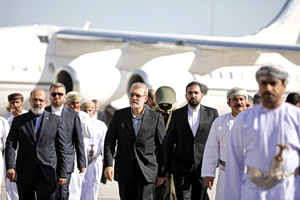
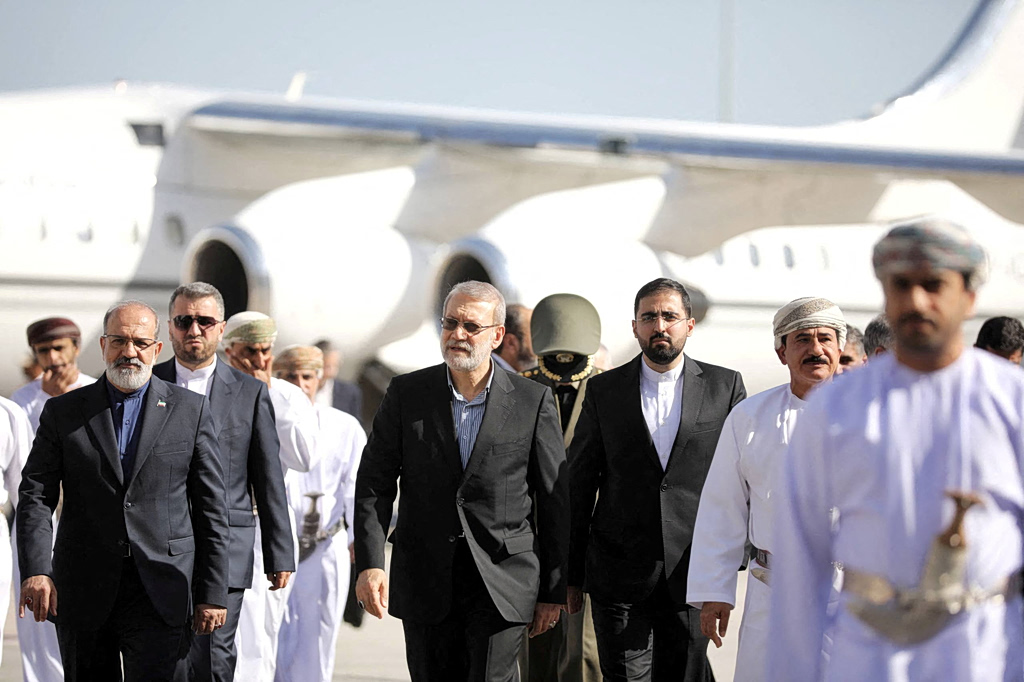
While the 2015 deal involved multiple countries, this round of negotiations is limited to the U.S. and Iran, with Oman acting as a mediator. Iranian Foreign Minister Abbas Araqchi has also traveled to Geneva to take part in the talks and meet with officials from the International Atomic Energy Agency (IAEA).