 Μake us preferred on Google
 Japan’s planned easing of arms export rules is attracting strong interest from allies across Europe and Asia, as concerns grow over reliance on the United States and pressure on its weapons supply from ongoing conflicts.
Prime Minister Sanae Takaichi’s ruling party approved the changes this week, with the government expected to formally adopt the new framework as soon as this month, according to Japanese officials whom told Reuters.
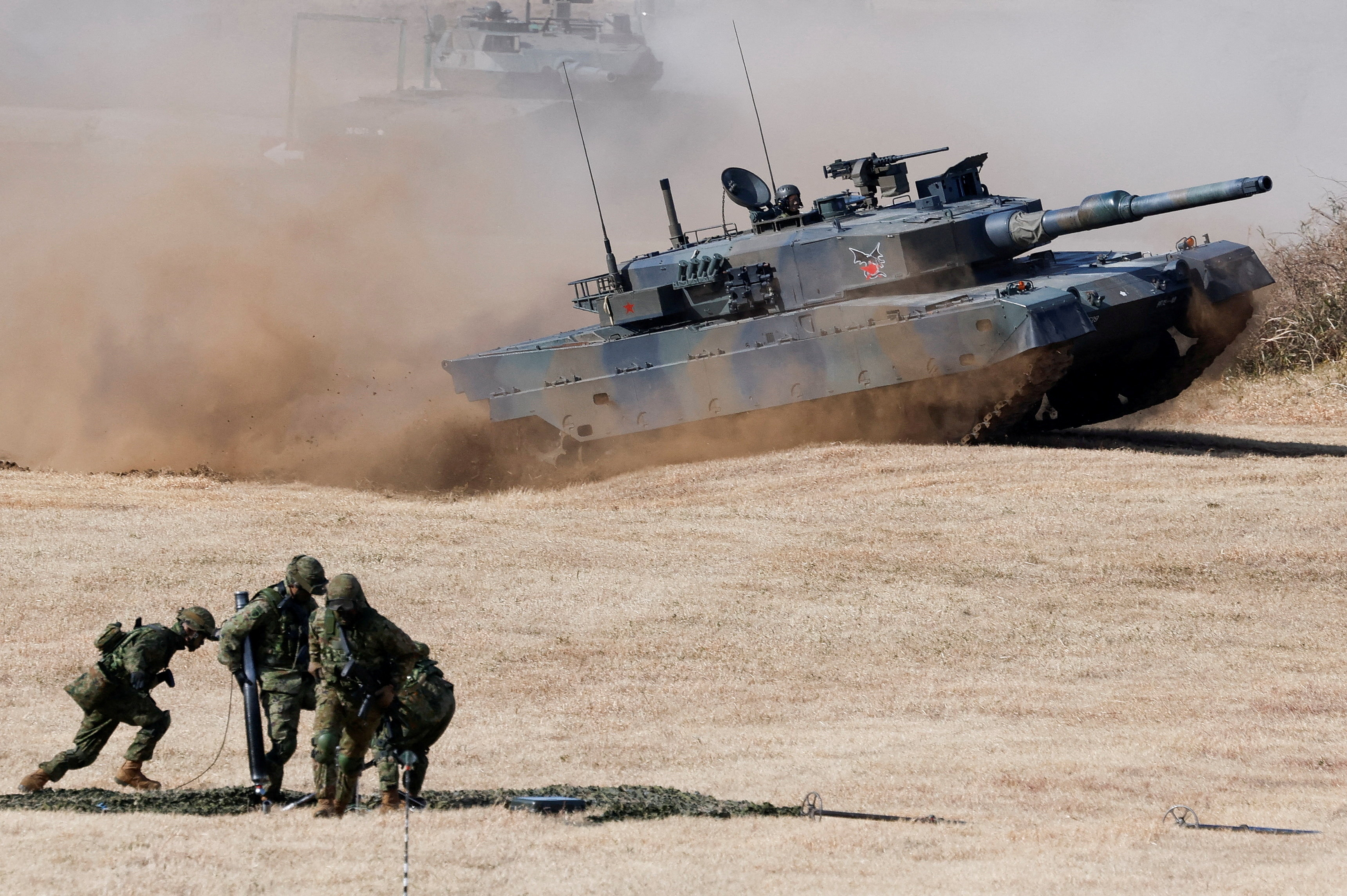
The move marks one of the most significant openings of Japan’s defense industry since World War Two, as Tokyo seeks to strengthen its military industrial base and support allied capabilities.
Rising demand from allies
Countries including Poland and the Philippines are among those exploring potential defense cooperation with Japan, as they modernize their armed forces amid regional security challenges.
One of the first deals likely to be approved could involve the export of used frigates to the Philippines, with further cooperation potentially extending to missile defense systems, officials said.
European diplomats also see Japan’s policy shift as an opportunity to reduce heavy dependence on U.S. arms production, which has been strained by wars in Iran and Ukraine.
Expanding defense industry capacity
Japanese companies are already preparing for increased demand. Major firms such as Toshiba and Mitsubishi Electric are ramping up hiring and expanding industrial capacity to support potential exports.
Executives say the industry is becoming more open to overseas sales, with new departments and roles being created to handle international defense business.
Despite decades of pacifist policy, Japan maintains a sophisticated defense sector capable of producing advanced systems including submarines and fighter jets. The country is set to spend around $60 billion on defense this year.
Strategic shift amid global tensions
The easing of export rules reflects broader geopolitical shifts, with allies seeking alternative suppliers and more resilient defense supply chains.
Japan’s policy overhaul has been encouraged by successive U.S. administrations, which have urged allies to contribute more to collective security efforts.
While Tokyo is expected to retain strict controls on arms exports, including limits on shipments to conflict zones, the changes could reshape defense partnerships across Asia and beyond.