
 Μake us preferred on Google
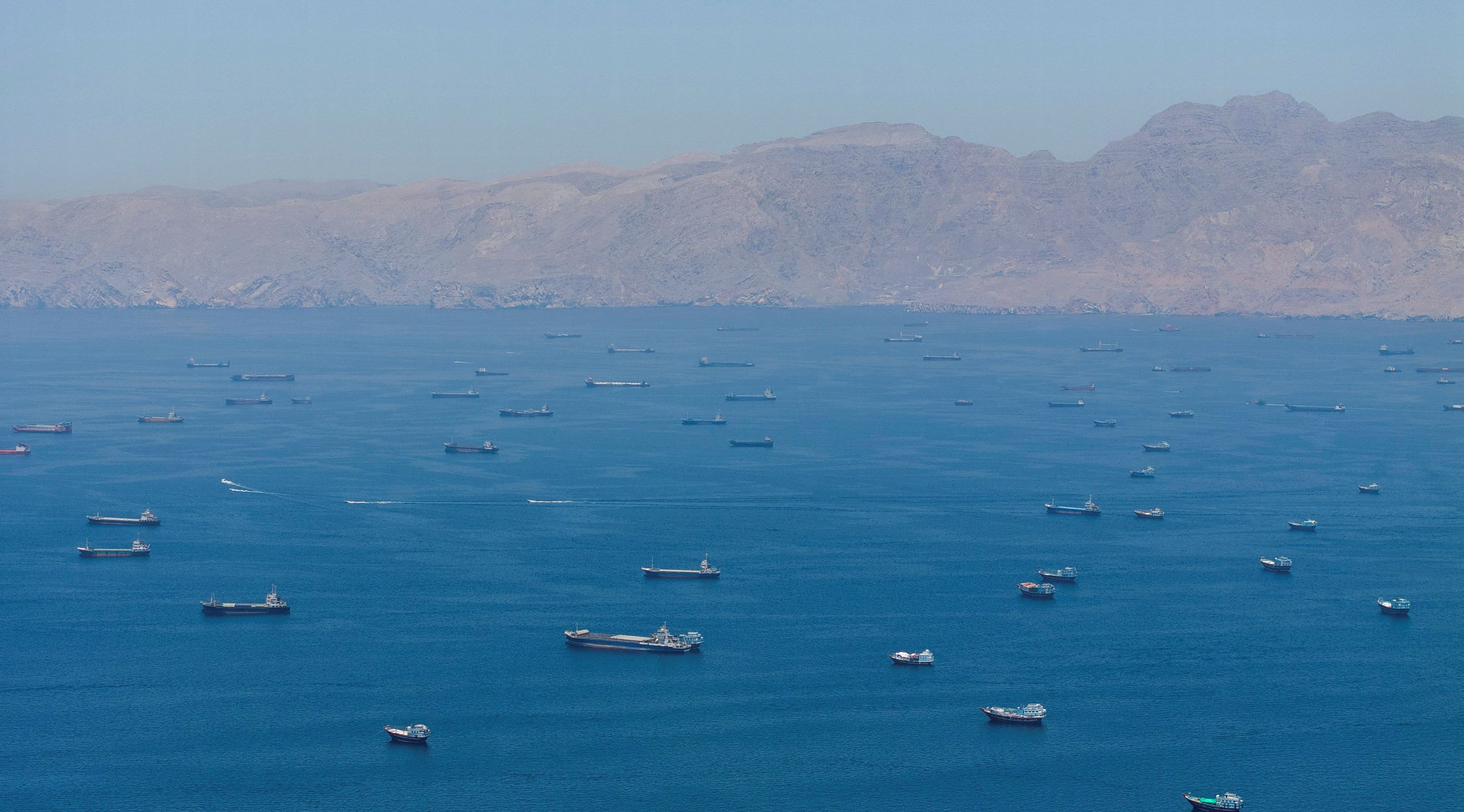
 Several oil and liquefied natural gas (LNG) tankers have successfully passed through the Strait of Hormuz in recent days, heading toward major Asian markets despite severe disruptions to shipping caused by the ongoing U.S.-Israeli conflict with Iran.
According to ship-tracking data, three LNG carriers bound for Pakistan, China and India, along with a supertanker carrying Iraqi crude oil to China, have exited the strategically vital waterway, which handles roughly one-fifth of global oil and LNG supplies under normal conditions.
The movement of the vessels comes as maritime traffic through the strait remains significantly reduced following the outbreak of war on February 28.
LNG Cargoes Reach Key Asian Destinations
Among the vessels that transited the strait was the LNG tanker Fuwairit, which crossed Hormuz on Monday and is expected to deliver its cargo to Pakistan on Tuesday.
The Bahamas-flagged vessel loaded LNG at Qatar’s Ras Laffan port around March 28, according to shipping data.
Another LNG carrier, Al Rayyan, has also cleared the waterway. After loading cargo at Ras Laffan, the vessel was last recorded in the Gulf on May 22 and is now located beyond the strait between Iran and Oman. It is expected to arrive in China and discharge its cargo on June 27.
A third tanker, Al Hamra, managed by Abu Dhabi National Oil Company (ADNOC), has likewise completed its passage. The vessel was last tracked east of the strait in April before reappearing off India’s coast on May 23.
Iraqi Crude Heads to China
Separately, the Very Large Crude Carrier (VLCC) Eagle Verona exited the Strait of Hormuz on Saturday and is scheduled to arrive at Ningbo port in eastern China on June 12.
The Singapore-flagged supertanker is carrying nearly two million barrels of Iraqi Basrah crude loaded around February 26. The vessel is chartered by Unipec, the trading arm of Chinese refiner Sinopec.
According to sources, Eagle Verona was one of seven vessels for which Malaysia had sought transit approval. Five of those ships have now left the Gulf, while two remain in the region.
Shipping Activity Remains Limited
The latest departures add to a small number of tankers that have successfully left the Gulf this month using a designated transit route ordered by Iran.
Last week, three Very Large Crude Carriers transported approximately six million barrels of crude oil to destinations in China and South Korea.
Despite these movements, maritime activity through the Strait of Hormuz remains far below normal levels. Before the conflict began, the waterway typically handled between 125 and 140 vessel passages each day.
The disruption has also left around 20,000 seafarers stranded aboard hundreds of ships operating in the Gulf, highlighting the continuing impact of the conflict on global energy logistics and maritime trade.