Saudi Arabia said it shot down a Houthi drone near Mecca on Tuesday, prompting swift condemnation from across the region of the Iran-backed Yemeni rebel group. Turki al-Maliki, spokesperson for the Saudi-led coalition, said it was the first time in almost a decade the Houthis had targeted the city, calling the security of the holy site “a red line” and warning that the kingdom would not hesitate to take deterrent action against the group.
The Houthis firmly denied the accusation. Military spokesman Yahya Saree said their actual targets were Saudi oil facilities and military bases well away from the holy sites, dismissing the Saudi claims as baseless fabrications and insisting there was no threat from Yemen to Islam’s holy places. Saudi authorities said the drone was intercepted and destroyed before entering Mecca’s restricted airspace, though they did not say how close it got.
The incident lands the kingdom in an increasingly delicate position as the Houthis’ rapid advances in Yemen and attacks on Saudi territory raise the risk of Riyadh being pulled deeper into the broader US-Iran conflict. Mecca, the birthplace of the Prophet Muhammad and the destination for the Hajj pilgrimage that millions of Muslims undertake each year, holds deep religious significance, and al-Maliki described the episode as a deliberate attempt to provoke Muslims worldwide.
The Organization of Islamic Cooperation, representing 57 member states and 1.5 billion Muslims, condemned the strikes as a violation of the sanctity of holy sites that instills fear in civilians. Pakistan’s prime minister, whose country recently signed a defense pact with Saudi Arabia, called the act “dastardly and heinous” and reaffirmed his country’s backing for the kingdom, without directly naming the Houthis.
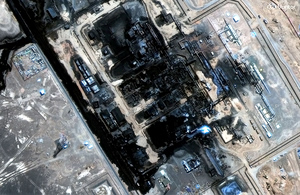
The interception took place against a backdrop of intensifying fighting. Earlier in the week, the Houthis fired ballistic missiles and drones at several Saudi cities, including Khamis Mushait, Abha, and Taif, wounding 13 civilians, and claimed responsibility for a separate attack on a Saudi military base. On Wednesday, they also claimed an attack on an Aramco facility in the Red Sea port city of Yanbu. Saudi forces responded with airstrikes on Houthi-held areas of Yemen over the weekend and again on Tuesday, according to the rebels.
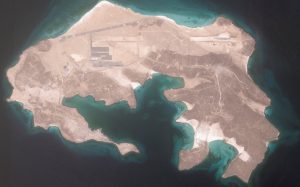
The Houthis have been expanding their territorial control in Yemen, recently seizing a Red Sea port city and an island near a critical waterway that has served as a backup route to the Strait of Hormuz for Saudi oil exports. That pressure, combined with an unrelated attack from Iraq-based militants, led Saudi Arabia to suspend oil loadings at Yanbu over the weekend, with no timetable yet for resuming shipments. A trading-industry source told CNN that satellite tracking shows no Saudi crude has left Red Sea ports since Saturday, and that Saudi Arabia also cut oil supplies to Europe on Tuesday, with Aramco telling some customers deliveries would be paused until mid-November.
The tightening Houthi grip on Red Sea shipping has stoked fears that key regional oil routes are closing off just as Iran and the US continue contesting control of the Strait of Hormuz. Oil prices climbed back above $100 a barrel last week following additional US strikes on Iranian tankers in the Persian Gulf and the escalating fighting in Yemen, fueling protests worldwide over rising costs.
Source: CNN