 Μake us preferred on Google
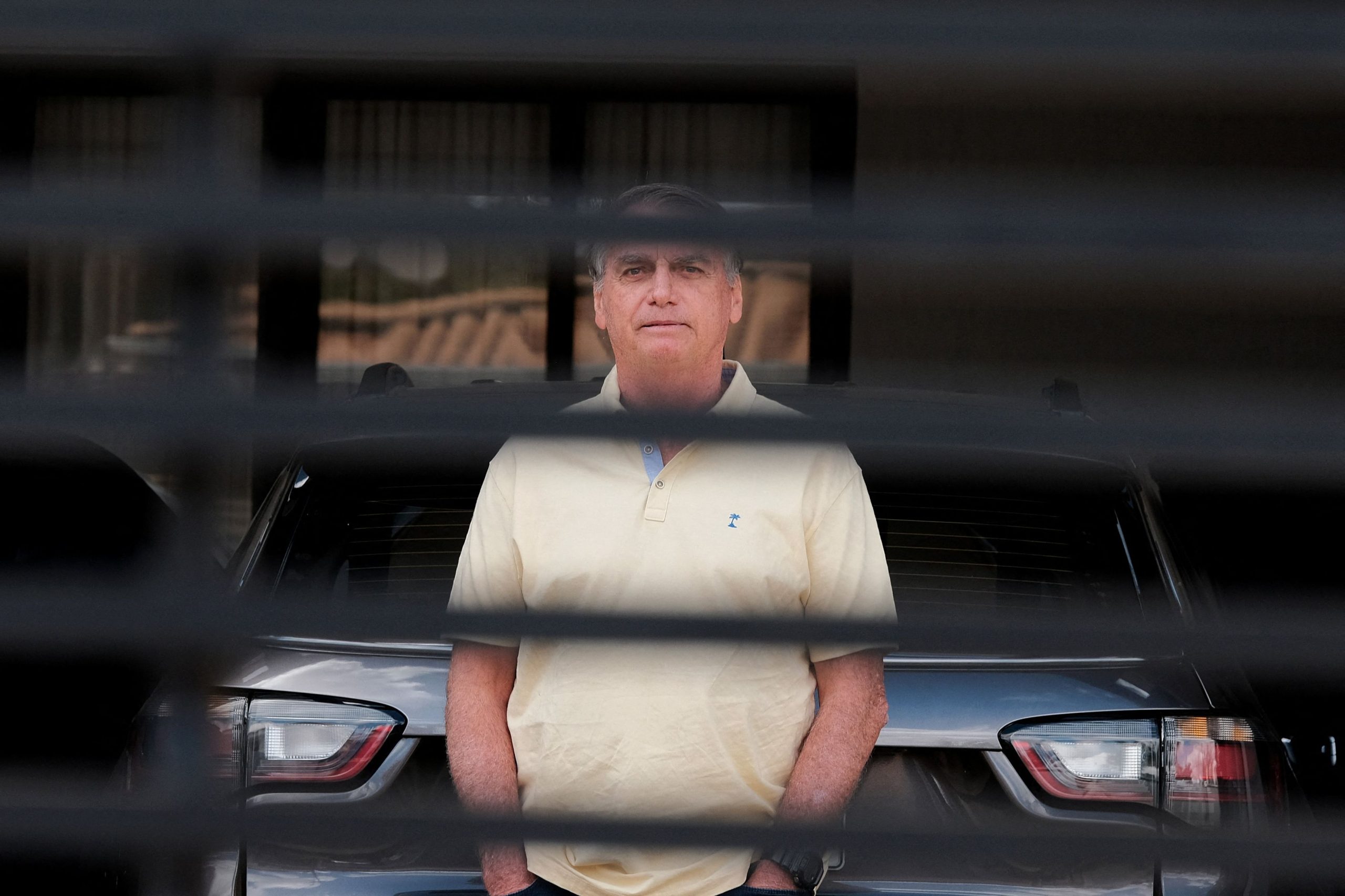
 Former Brazilian President Jair Bolsonaro was sentenced on Thursday to 27 years and three months in prison after the Supreme Court convicted him of plotting a coup to stay in power following his 2022 election defeat. The landmark ruling marks the first time in Brazil’s history that a former president has been convicted for attacking democracy.
The 70-year-old ex-leader, who remains under house arrest, was found guilty of five crimes, including attempting to violently abolish democracy, organizing a coup, and taking part in an armed criminal organization. Four of the five judges voted to convict Bolsonaro, citing “ample evidence” of efforts to undermine democratic institutions.
“This criminal case is almost a meeting between Brazil and its past, its present and its future,” Justice Carmen Lucia said in her vote to convict, noting the country’s history of military interventions.
Bolsonaro’s conviction follows a broader crackdown on far-right leaders worldwide, including France’s Marine Le Pen and the Philippines’ Rodrigo Duterte. It also places Brazil at the center of an escalating diplomatic dispute with the United States.
U.S. President Donald Trump, a close Bolsonaro ally, denounced the verdict as “a terrible thing” and criticized Brazil’s judiciary. His administration has already retaliated with tariff hikes, sanctions on the presiding judge, and visa revocations for Supreme Court justices. U.S. Secretary of State Marco Rubio called the ruling “unjust,” while Brazil’s Foreign Ministry condemned the remarks as threats against its sovereignty.
The decision was not unanimous. Justice Luiz Fux dissented, acquitting Bolsonaro on all charges and questioning the court’s jurisdiction, a move that could provide grounds for appeals and delay a final outcome until the 2026 presidential election. Despite being barred from office until 2030, Bolsonaro has insisted he will run again.
His lawyers condemned the sentence as “absurdly excessive” and vowed to challenge it.
Bolsonaro’s political journey began in the 1980s as a paratrooper-turned-councilman before rising through Congress to build a powerful conservative movement. His presidency, launched in 2018 on a wave of anti-establishment anger, was marked by vaccine skepticism during the pandemic, deforestation in the Amazon, and increasingly inflammatory rhetoric about Brazil’s electoral system.
The Supreme Court also convicted seven Bolsonaro allies, including five military officers, marking the first time since Brazil’s republic was established nearly 140 years ago that members of the armed forces have been punished for attempting to subvert democracy.
For Bolsonaro’s supporters, the trial is seen as political persecution; for his critics, it is proof that no leader is above the law. “This ensures that no one dares again to attack the rule of law or the will of the people as expressed at the ballot box,” said Institutional Relations Minister Gleisi Hoffmann.
As jubilant progressives hailed the ruling and Bolsonaro’s allies vowed resistance, one fact was clear: the case has become a defining test of Brazil’s democracy—and its ability to withstand authoritarian threats.