 Μake us preferred on Google
 Tensions between the United States and Iran have deepened after President Donald Trump expressed dissatisfaction with Tehran’s latest proposal to end the two-month war, dimming hopes for a near-term resolution.
As reported in Reuters, according to a U.S. official, the Iranian plan would delay discussions over its nuclear program until after the conflict ends and disputes over Gulf shipping are resolved. That approach clashes with Washington’s position that nuclear issues must be addressed from the outset of any agreement.
White House officials reiterated that the U.S. would not negotiate publicly, emphasizing that the administration’s “red lines” remain unchanged.
Stalled diplomacy and rising tensions
Efforts to revive diplomacy have faltered in recent days. A planned visit to Islamabad by Trump’s envoys, including Steve Witkoff and Jared Kushner, was scrapped, while Iran’s Foreign Minister Abbas Araqchi held talks across multiple country including Oman and Russia.
Araqchi met Russian President Vladimir Putin, securing expressions of support from a longstanding ally. Iranian officials say their proposal envisions a staged negotiation process, beginning with a ceasefire and guarantees against renewed conflict, followed by resolving the U.S. naval blockade and reopening the Strait of Hormuz.
Only later would negotiations address the nuclear dispute, including Iran’s demand for recognition of its right to enrich uranium.
Oil flows disrupted, prices climb
With both sides far apart, the war continues to disrupt global energy markets. Oil prices have resumed their upward trajectory as shipping through the Strait of Hormuz remains severely constrained.
Before the conflict, between 125 and 140 ships passed through the strait daily. That number has dropped dramatically, with only a handful of vessels transiting in the past day — none carrying oil for global markets. At least six tankers loaded with Iranian crude have reportedly been turned back by the U.S. blockade.
Iran has condemned the seizures as “outright legalization of piracy,” while analysts warn that physical oil supply disruptions, rather than rhetoric, are now driving market volatility.
International criticism and divisions
The diplomatic impasse has also exposed growing divisions between the United States and its allies. German Chancellor Friedrich Merz accused Iran of “humiliating” Washington by engaging in talks without delivering results, and questioned the U.S. strategy in the conflict.
Merz said European allies had not been consulted before the war began and warned of mounting economic costs for Germany. He also suggested that parts of the Strait of Hormuz may have been mined, offering European assistance to help secure the waterway.
Clash at the United Nations
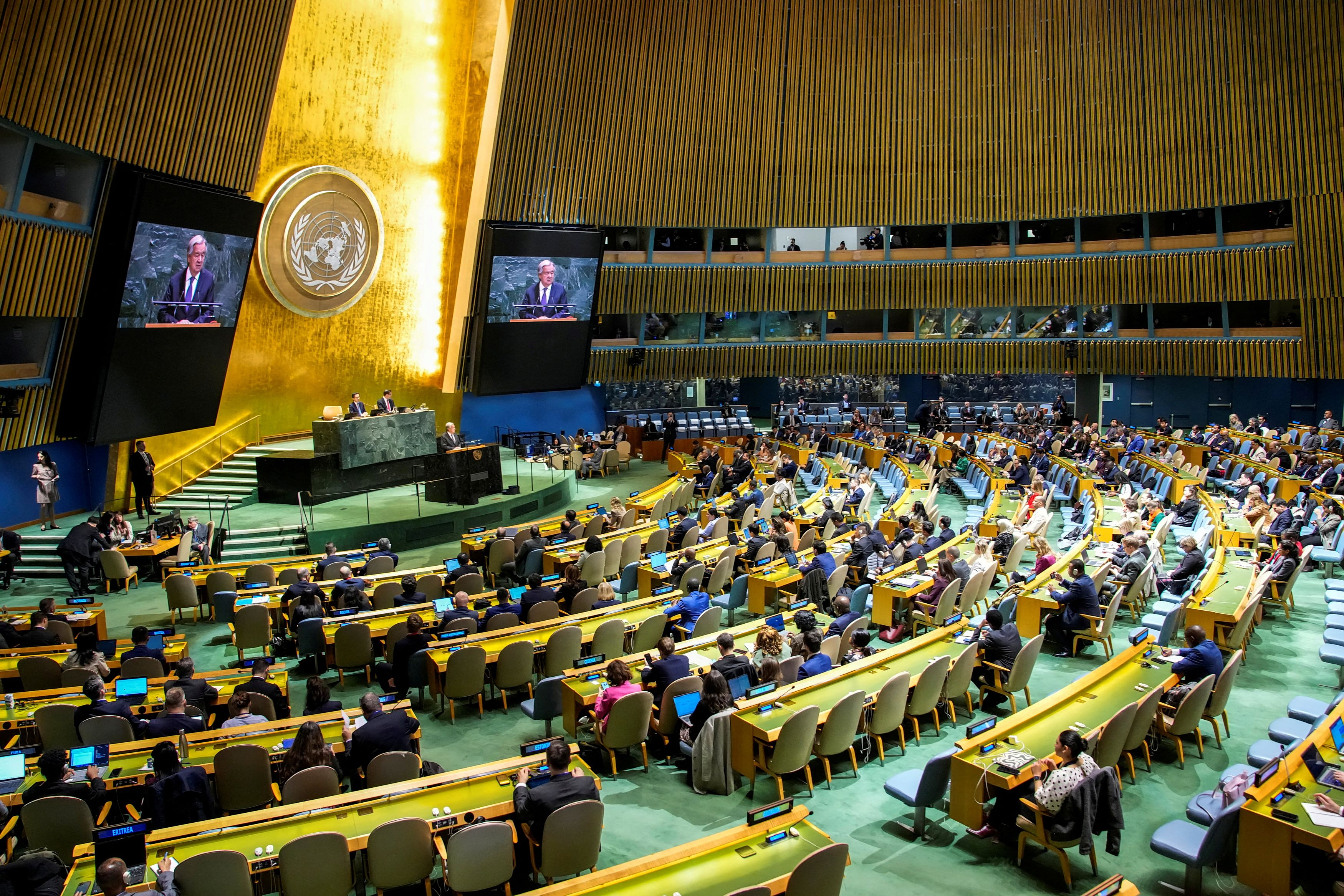
The dispute extended to the United Nations, where the U.S. and Iran confronted each other over Tehran’s nuclear program during a conference reviewing the Nuclear Non-Proliferation Treaty (NPT).
Washington criticized Iran’s selection to a senior conference role as an “affront” to the treaty’s credibility, citing longstanding concerns over compliance. Iranian officials rejected the accusation as politically motivated, pointing instead to the U.S. nuclear arsenal.