 Μake us preferred on Google
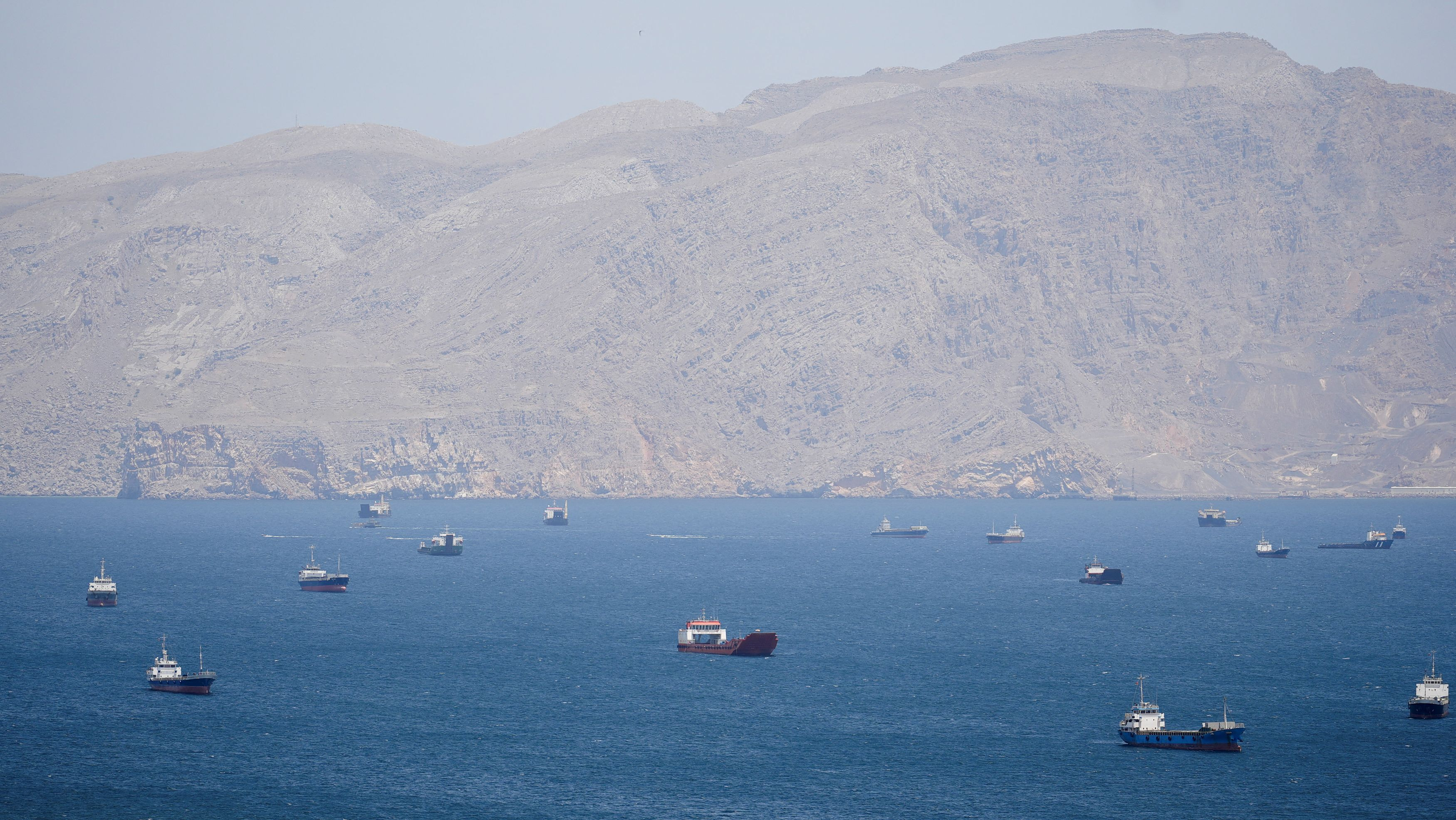
 There is no end in sight. By now, headlines are dominated – and anxieties shaped – by the devastating economic consequences of the political stalemate in the Strait of Hormuz. The fallout from the conflict has evolved into a global risk, affecting energy markets, supply chains and national economies alike.
Driven by his Israeli ally, Donald Trump entered this war without a discernible strategic compass. The sequence of ultimatums, threats and repeatedly extended short-term cease-fires appears less like a coherent plan than an improvised form of crisis management. What was intended as a display of strength is revealing itself as a series of tactical adjustments. Each new delay, each rhetorical escalation without consequences, erodes the president’s credibility. What we are witnessing is a superpower that reacts more than it acts – and that is rapidly losing credibility around the world.
On the other side stands a regime under intense pressure – and precisely for that reason, one that is playing for time. It remains unclear who ultimately holds the final say in Tehran. Yet there is a growing sense that Iran’s leadership has recognized endurance itself as its most decisive weapon. Militarily, the mullahs’ options are limited. Politically, however, they retain room to maneuver as long as their adversary shrinks from escalation. The absence of American ground troops is not a tactical detail but a defining factor in this conflict. Airstrikes can damage infrastructure and degrade military capabilities. They cannot force regime change in Tehran.
Compounding this is an asymmetric advantage: Iran’s strategic position along one of the world’s most vital trade routes provides leverage that far exceeds its military strength. The mere threat of disrupting traffic through the Strait of Hormuz is enough to rattle global markets and drive up oil and gas prices. While Donald Trump must weigh economic risks and the domestic political costs they entail, Iran’s leadership operates without public accountability. It can prolong the conflict without fearing immediate domestic repercussions.
What emerges is a paradoxical constellation: the militarily superior power is politically constrained, while the structurally weaker side demonstrates strategic patience. Washington is searching for an exit that does not resemble retreat. Trump’s domestic pressures grow the longer the conflict drags on. In Tehran, the calculus is different. What matters is not rapid success but sheer survival. The cost is borne by the Iranian population, long excluded from any meaningful political participation.
In the end, it may be precisely the regime Trump once sought to eliminate that emerges as the winner – not because it prevailed militarily, but because it endured and thereby dictated the terms of the conflict. Donald Trump would not be Donald Trump if he did not find ways to cast himself as the ultimate victor. But Tehran, too, is well versed in political theater. The mullahs have already begun to declare themselves triumphant. For them, remaining in power is enough. Meanwhile, Iran’s battered population continues to pay the price of a war whose outcome it cannot influence – and from which it cannot escape.
Dr. Ronald Meinardus is a senior research fellow at the Hellenic Foundation for European and Foreign Policy (ELIAMEP).