
 Μake us preferred on Google
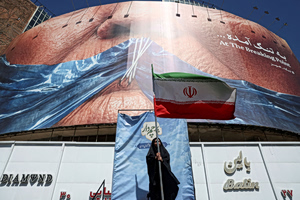
 The United States has carried out a new round of military strikes against Iran, signaling that hopes for a swift end to the conflict remain uncertain as tensions continue to spread across the Middle East.
According to U.S. Central Command, the latest strikes were conducted to “protect our troops from threats posed by Iranian forces.” The operation comes as diplomatic efforts between Washington and Tehran continue, although both sides have cautioned against expecting an immediate breakthrough.
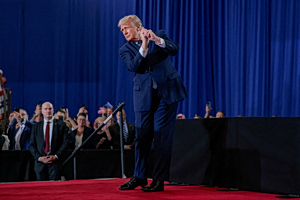
U.S. President Donald Trump said negotiations with Iran were progressing positively but warned that further military action could follow if talks fail. In a post on Truth Social, Trump said any agreement would either be “a Great Deal for all, or no Deal at all.”
Iran Claims It Downed a US Drone
Adding to the escalation, Iran’s Islamic Revolutionary Guard Corps (IRGC) announced that it had shot down a U.S. MQ-9 Reaper drone after detecting what it described as hostile aircraft entering Iranian airspace in the Gulf region.
Iranian state media reported that the drone was intercepted using a new air defense system. The IRGC also stated that Iran reserves the “legitimate and definite” right to respond to any violations of a ceasefire by the United States.
Earlier, Iranian authorities said they had also brought down a “hostile” stealth drone, although no details were provided regarding its origin or location.
Israel Signals Expanded Military Campaign Against Hezbollah
At the same time, Israel is preparing to intensify military operations against the Iran-backed Hezbollah movement in Lebanon.
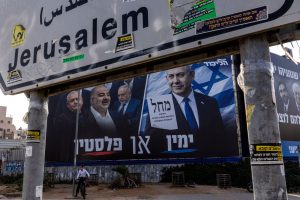
Prime Minister Benjamin Netanyahu announced that Israeli forces would increase strikes against Hezbollah, accusing the group of continuing attacks despite an April 16 truce that was intended to halt months of violence linked to the broader U.S.-Israeli conflict with Iran.
“We are at war with Hezbollah, and we will intensify our strikes,” Netanyahu said in a video message, adding that Israel’s military would not ease pressure on the group.
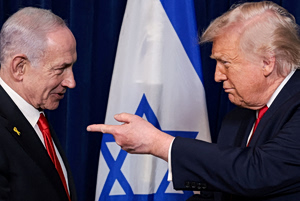
The statement followed a phone conversation between Netanyahu and Trump, during which the two leaders reportedly agreed that Israel should retain the right to respond to threats across all fronts, including Lebanon.
Fears Grow in Beirut
Netanyahu’s remarks triggered concerns in Lebanon that Israel could resume large-scale strikes on Beirut. Lebanese security sources said some residents began leaving the capital’s southern suburbs after the Israeli leader’s comments were released.
Although Israeli forces have continued operations in southern Lebanon since the truce, broader attacks on Beirut have largely stopped, apart from a strike earlier this month targeting a Hezbollah commander.
Shortly after Netanyahu’s statement, the Israeli military announced strikes on Hezbollah positions in Lebanon’s eastern Bekaa Valley, an area that has seen relatively limited military activity since the ceasefire took effect.
Iran has demanded an end to Israeli military actions in Lebanon as part of broader discussions with Washington aimed at ending the wider conflict, while Israeli leaders insist they will continue acting against what they view as security threats from Hezbollah and other Iran-backed groups.