Residents of this sleepy farming outpost agree on many things. But whether to put an experimental nuclear reactor a mile deep in the granite beneath their town isn’t one of them.
Elected officials and some others see a chance to create jobs and lure data centers and manufacturers to a rural patch whose economy has been flatter than the surrounding cornfields. Another group is effectively saying “not under my backyard.”
“I put $125,000 into my house, and now a nuclear reactor is coming to town,” said Jerel Johnson , an IT professional who planned to retire in Parsons. “I can’t think of a worse idea.”
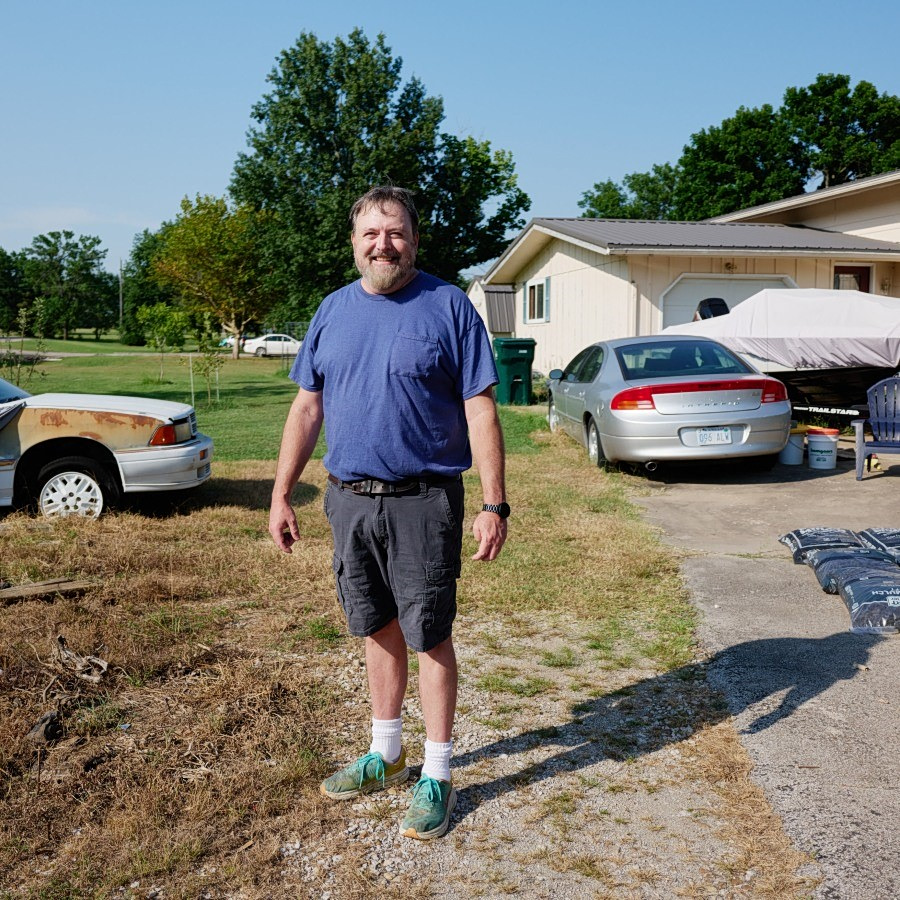
Jerel Johnson says he ‘can’t think of a worse idea’ than a nuclear reactor coming to town. David Robert Elliott for WSJ
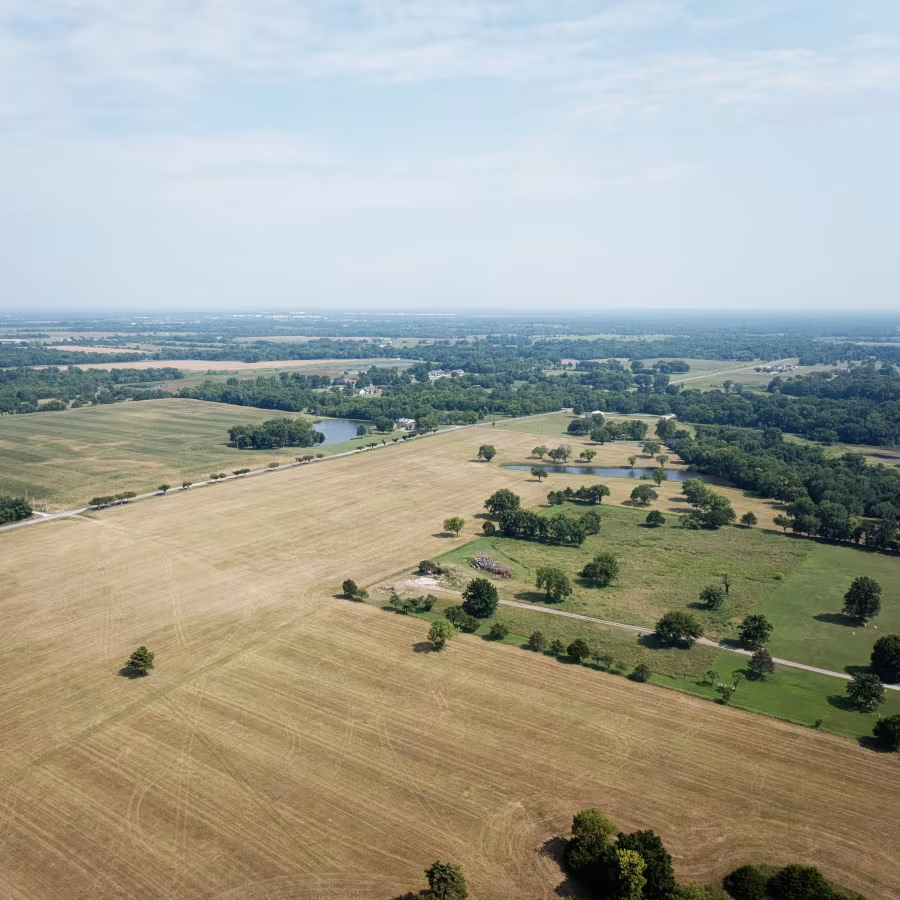
A view of Parsons, Kan. David Robert Elliott for WSJ
No one has tried operating a commercial nuclear reactor deep underground—until now. The so-called Gravity Reactor is the creation of Liz Muller and her father, Richard Muller , emeritus professor of physics at University of California, Berkeley and an inventor. They founded Deep Fission , a three-year-old California startup that has raised around $150 million in the past year, including $40 million last month through an initial public offering, largely to fund the work in Parsons.
Parsons, with a population of 9,600, sits about midway between Kansas City and Tulsa, Okla. Deep Fission drilled a first test hole this spring on 100 acres at a mostly overgrown industrial park dotted with old munitions bunkers just outside town.
On a recent day, Maurice LaFountain , Deep Fission’s senior engineering director, showed off pink-flecked granite retrieved from the company’s first test hole and joked that the billion-year-old rock would make a nice countertop.
An empty steel canister sat on a cleared drill pad, waiting to go down a second hole this year. The plan is to send another one loaded with nuclear fuel into a third hole to heat water a mile underground and generate electricity on the surface in 2027 or 2028—an astonishingly short time frame by industry standards.
Verlyn Bolinger , an insurance agent who sits on the Parsons city commission, as his great-great-grandfather did, is now mostly excited by that prospect.
“Any time you’re putting a nuclear reactor in a hole, it’s kind of scary,” he said in his office, surrounded by Kansas City Royals memorabilia. “It’s great that it’s here. It’s kind of bad that we’re the guinea pigs.”
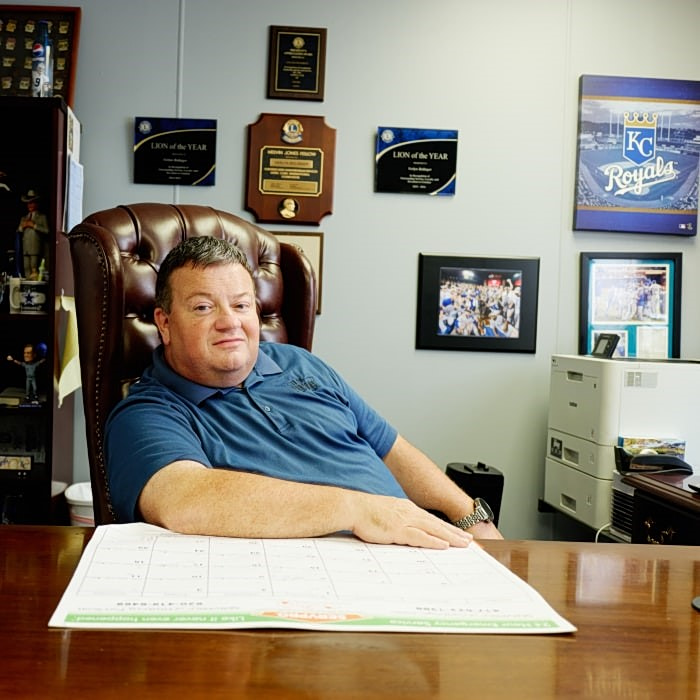
Verlyn Bolinger, an insurance agent and local leader, is mostly excited by the nuclear reactor project. David Robert Elliott for WSJ
A push for a ‘nuclear renaissance’
The project is riding momentum from the Trump administration’s efforts to usher in a “nuclear renaissance” by streamlining regulations and offering the industry billions of dollars in loans and fuel supply-chain investments. Executive orders President Trump signed last year aim to quadruple America’s nuclear-power generation by 2050—a steep climb given that construction in the industry has slowed to a crawl for the last three decades; nuclear generates about a fifth of U.S. electricity.
The renewed interest comes amid soaring electricity demand, much of it driven by data centers for artificial intelligence .
Deep Fission’s project is one of 11 in an Energy Department pilot program designed to build and test small, advanced reactors to pave the way for commercial use. Participating companies can construct reactors outside a traditional national laboratory setting and use expedited procedures for environmental reviews.
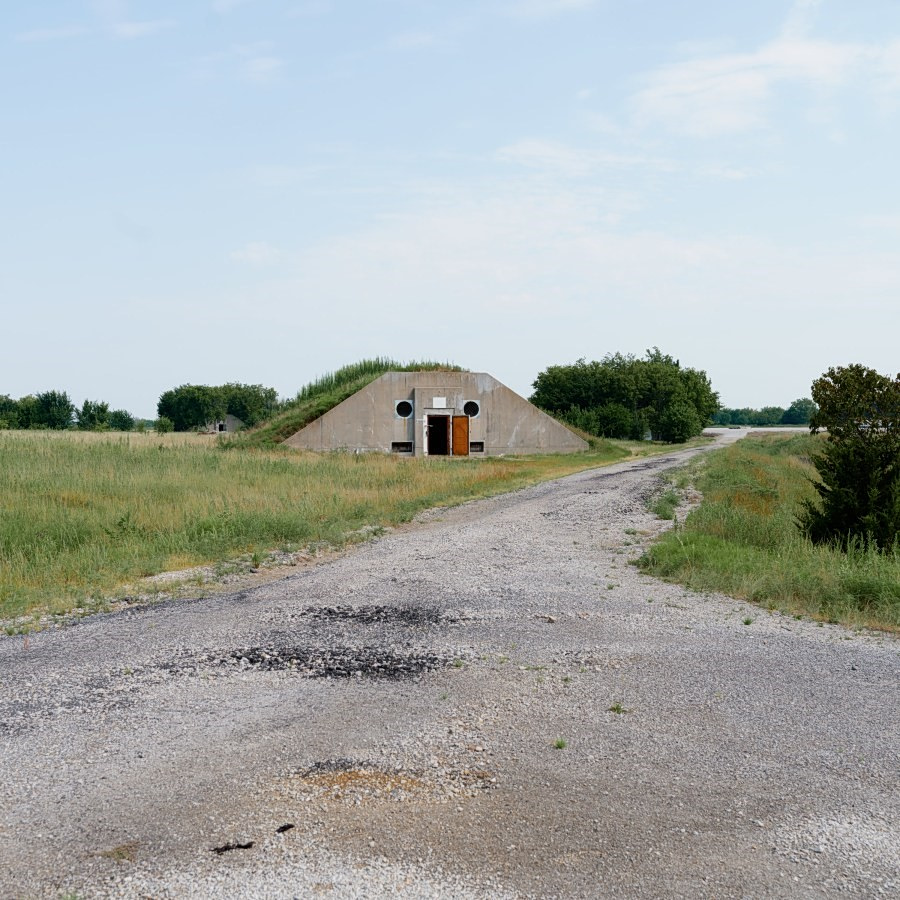
David Robert Elliott for WSJ
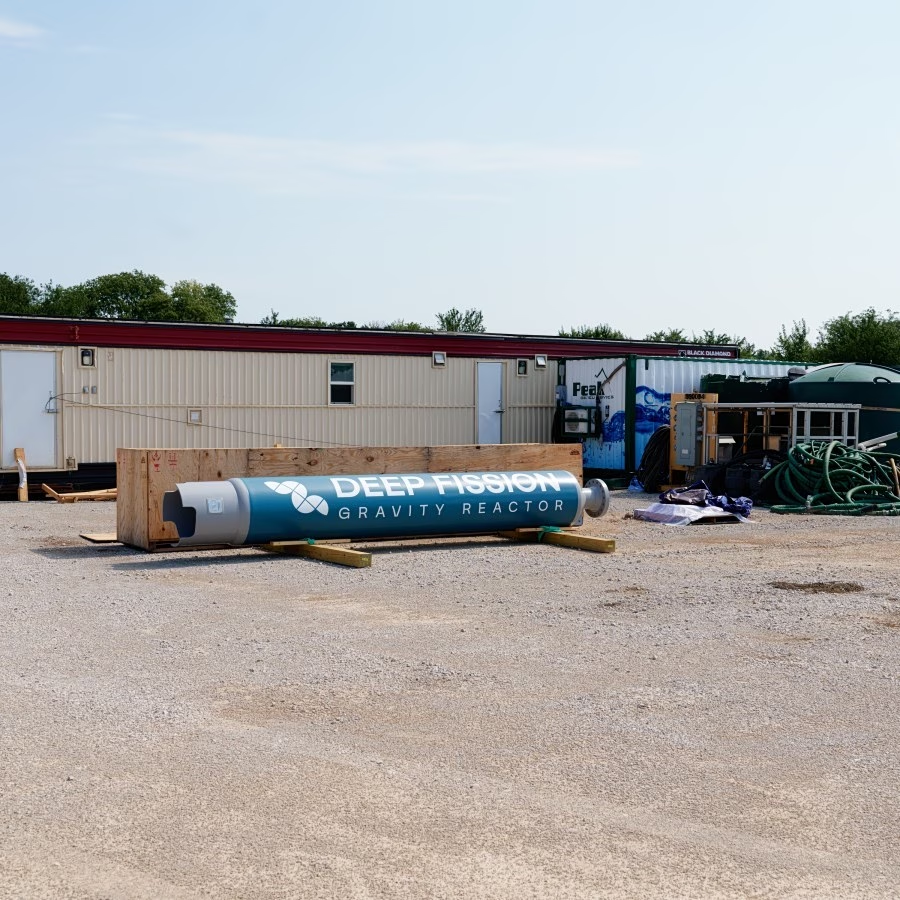
Deep Fission is part of a project designed to build and test small, advanced reactors to pave the way for commercial use.
David Robert Elliott for WSJ
“It’s allowing us to develop a first reactor within a time frame that had been unthinkable previously,” said Liz Muller, Deep Fission’s chief executive.
Four startups, including one from a separate DOE program, say they have achieved criticality, or self-sustaining nuclear reactions, with their reactor designs. Deep Fission’s is using a common, scaled-down, reactor design; its innovation is putting it underground.
The key to the plan is avoiding the need for hulking containment buildings. Instead, the mile-deep hole will provide the necessary pressure, cooling and containment. A single reactor will generate just 15 megawatts, enough to power about 12,000 homes, but Muller envisions an array of 100 or more, providing more than a gigawatt, enough for a data center. The Nuclear Regulatory Commission would oversee approval of commercial licensing, needed to sell electricity.
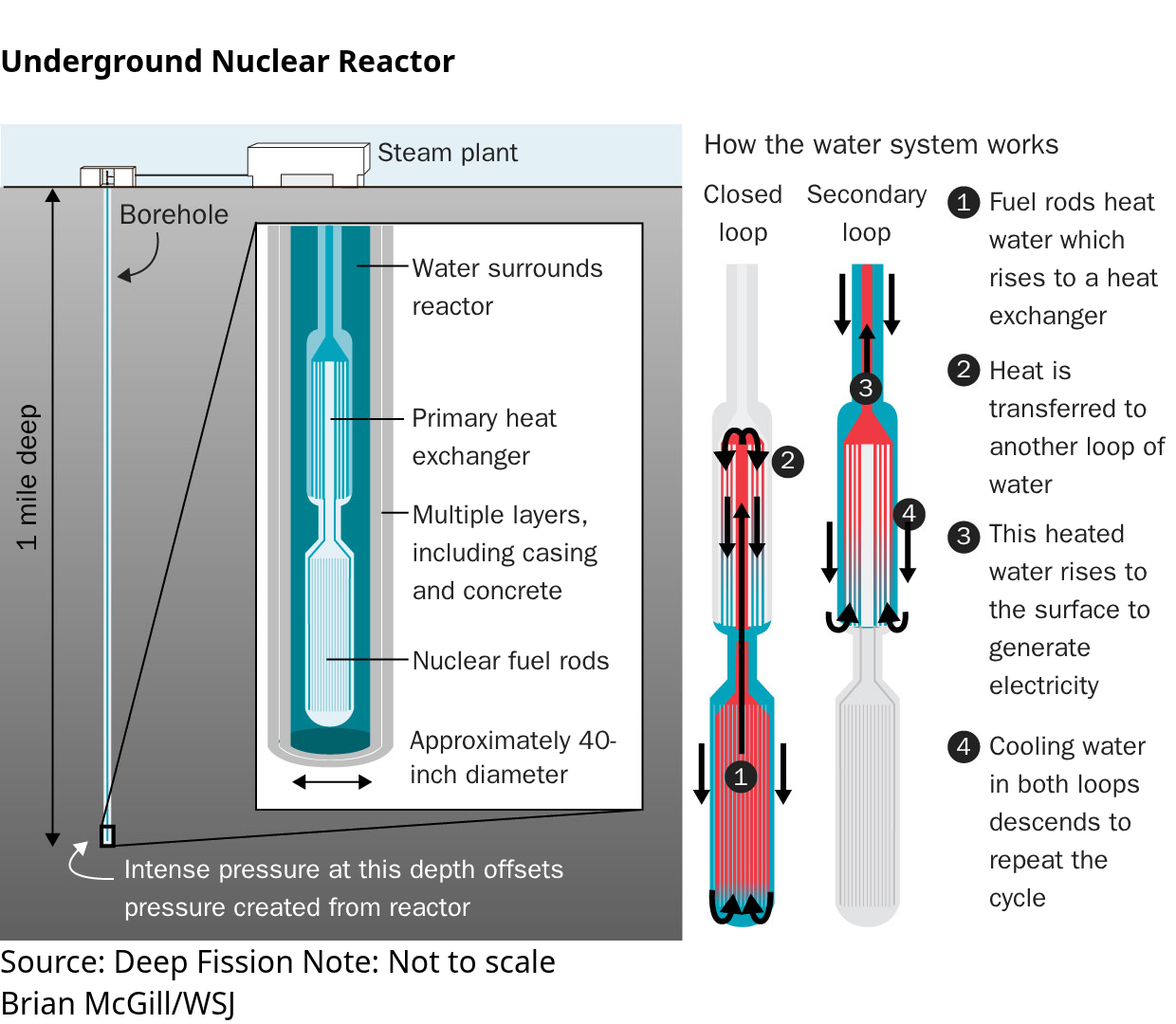
Dozens of firms are designing smaller reactors and a handful have begun construction, but none yet operate commercially in the U.S. Companies like Deep Fission must prove they can meet short timelines, contain costs and overcome the industry’s historic challenges.
Nuclear watchdogs say the administration is moving too fast and cutting corners. This spring, 12 attorneys general argued that circumventing standard environmental reviews would put communities at risk, among other things.
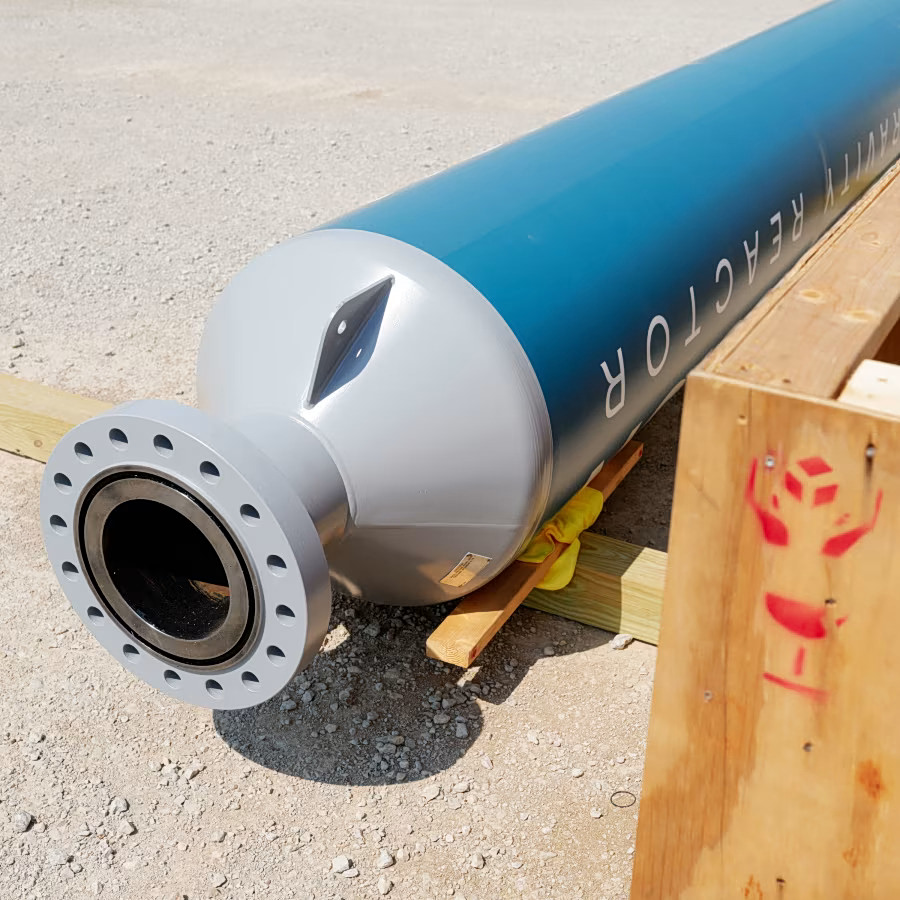
David Robert Elliott for WSJ
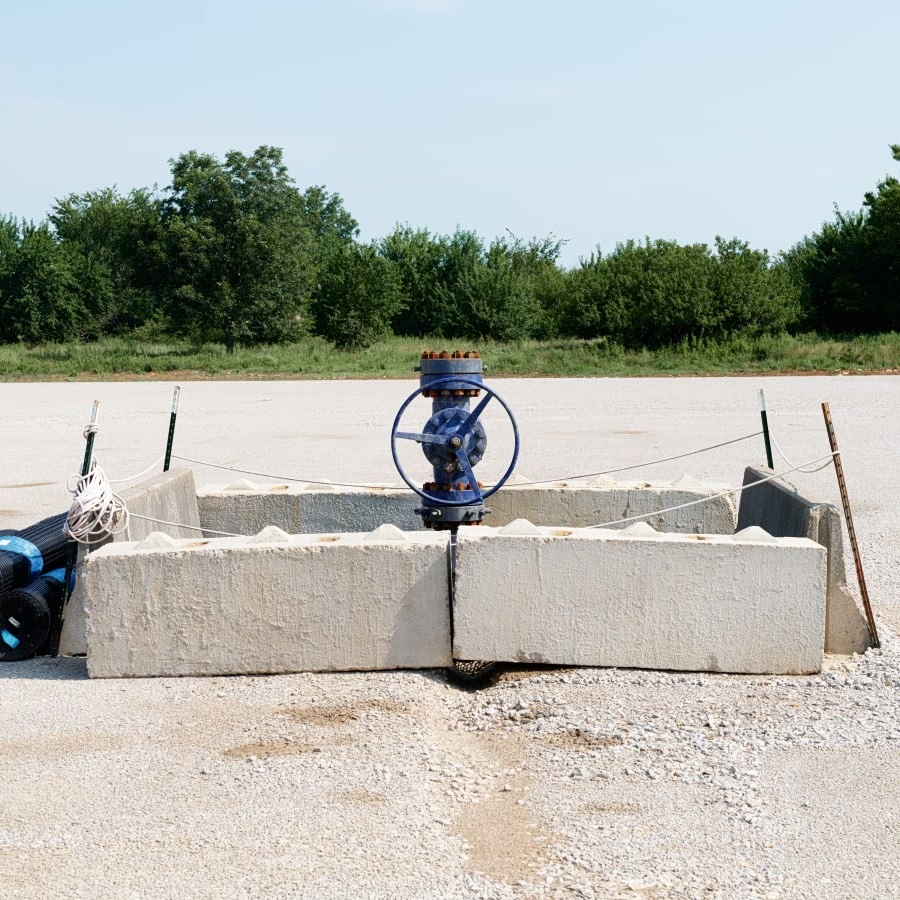
Deep Fission drilled a first test hole for its nuclear reactor this spring on 100 acres at an industrial park outside Parsons.
David Robert Elliott for WSJ
“It’s simply unacceptable to even consider exempting Deep Fission from a peer-reviewed environmental impact statement on the generation of high-level nuclear waste under Parsons,” said Paul Gunter with Beyond Nuclear, a group that opposes nuclear power and weapons.
The Energy Department said the administration remains focused on safety and security.
Liz Muller said Deep Fission’s plan to store spent fuel underground is safe. Eventually it could seal it in place or move it to another site. She and her father previously founded Deep Isolation, which designs underground disposal of nuclear waste.
Deep Fission plans to open a Parsons office where locals can ask questions, she said. The project “needs to be done in partnership with the community and sort of their own vision for their economic development.”
Parsons: looking for a spark
When Deep Fission broke ground in December, some residents were shaken. The Great Plains Industrial Park, a decommissioned U.S. Army ammunition base, had approved the project without public discussion.
Marjorie Reynolds , a pediatric nurse, quickly formed a nonprofit, the Prairie Dog Alliance, to oppose the project. Its logo is a prairie dog in a black-and-yellow nuclear symbol.
Reynolds worries about environmental oversight and potential risks to water. She questions how the company will perform maintenance underground, and why drillers are operating under oil-and-gas regulations, not nuclear ones. If Deep Fission were to go out of business, what then?
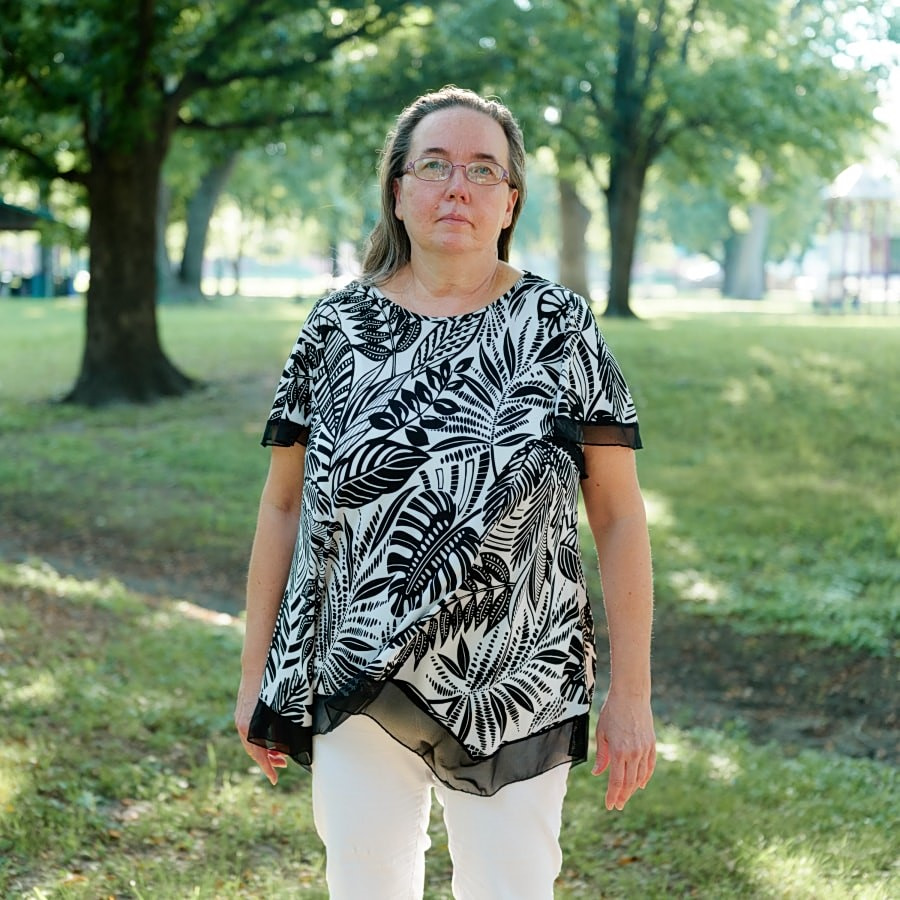
Marjorie Reynolds formed a nonprofit to oppose the nuclear project. She worries about environmental oversight and potential risks to water. David Robert Elliott for WSJ
David Robert Elliott for WSJ
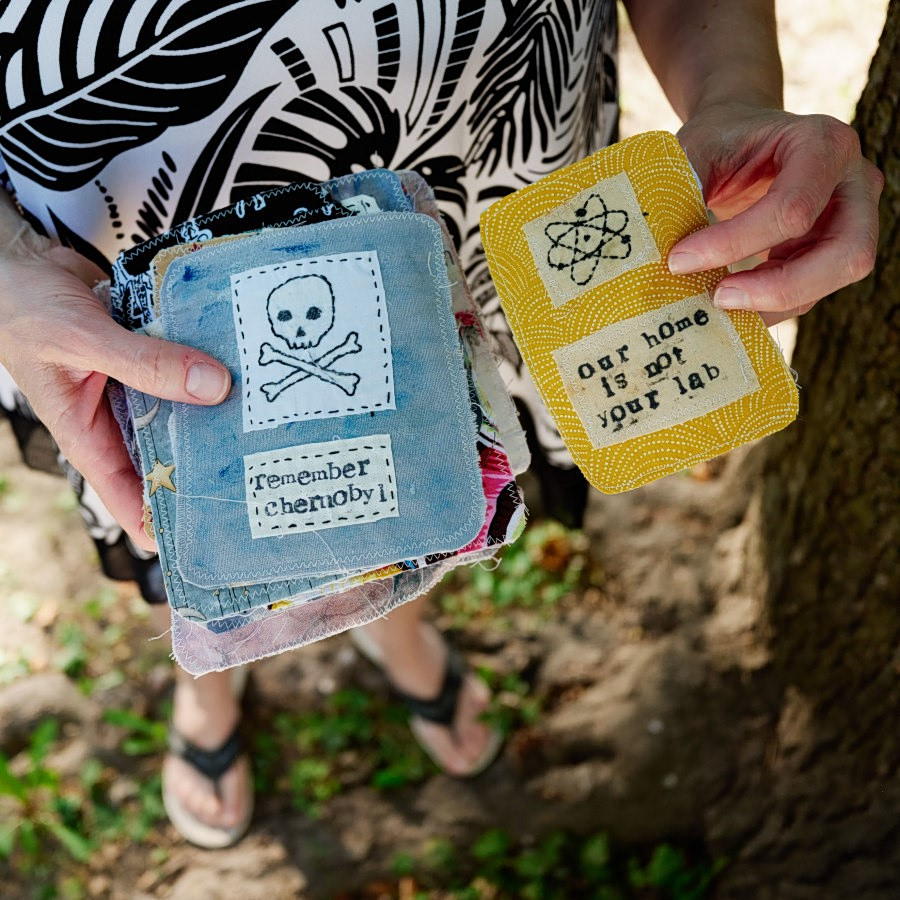
“This is a nuclear experiment,” said the seventh-generation Kansan, who hands out donated patches that say “half lives matter” and “remember Chernobyl .”
Muller said Deep Fission’s reactor is too deep to affect aquifers, and that it will follow all nuclear and oil-and-gas regulations. Its reactors are expected to last six to seven years, she added, so the likelihood of maintenance is low. “There’s not a lot of moving parts that require maintenance. We have simplified our reactor quite extensively.”
Parsons was a 19th-century boomtown with one of the largest rail yards west of the Mississippi. A tornado tore through in 2000. These days, officials point to small economic victories like attracting a Taco Bell and saving a furniture store. They have plans to build housing behind the bowling alley. All they need is people to move here.
Wayne Gilmore , an optometrist who owns the local radio station that broadcasts high-school football games, doesn’t want to miss a potential economic boon. “Rural communities cannot build their futures by rejecting new technology before it’s evaluated,” he said.
Robert Spinks, Parsons’s police chief, said he isn’t worried about potential contamination and thinks the reactor could be the spark the city needs when energy is a big draw.
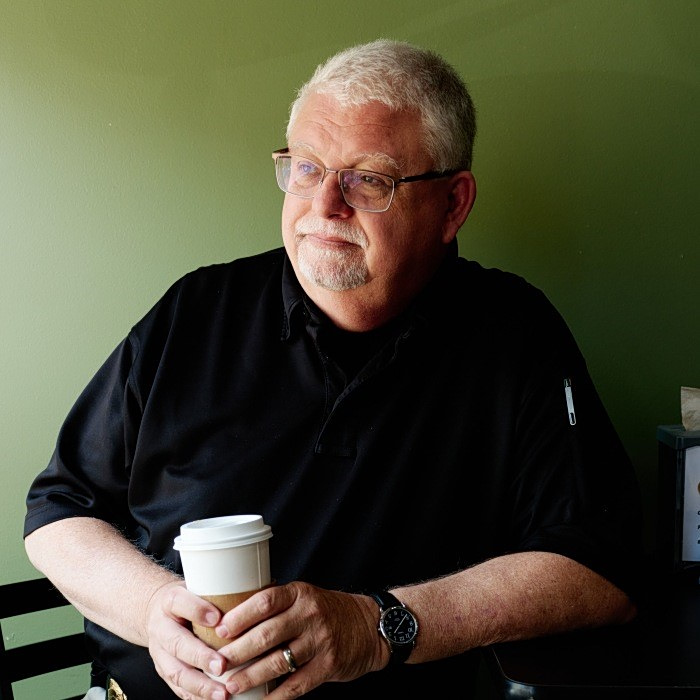
Robert Spinks, Parsons’s police chief, thinks the reactor could boost the city as energy demand grows. David Robert Elliott for WSJ
“It’s a proven technology, just in a new application,” he said. “And if that is a trigger which draws in other manufacturing and brings in living-wage jobs, I think that’s a win.”