 Μake us preferred on Google
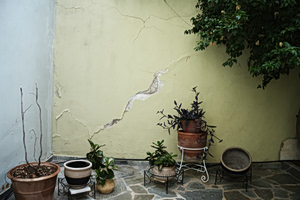
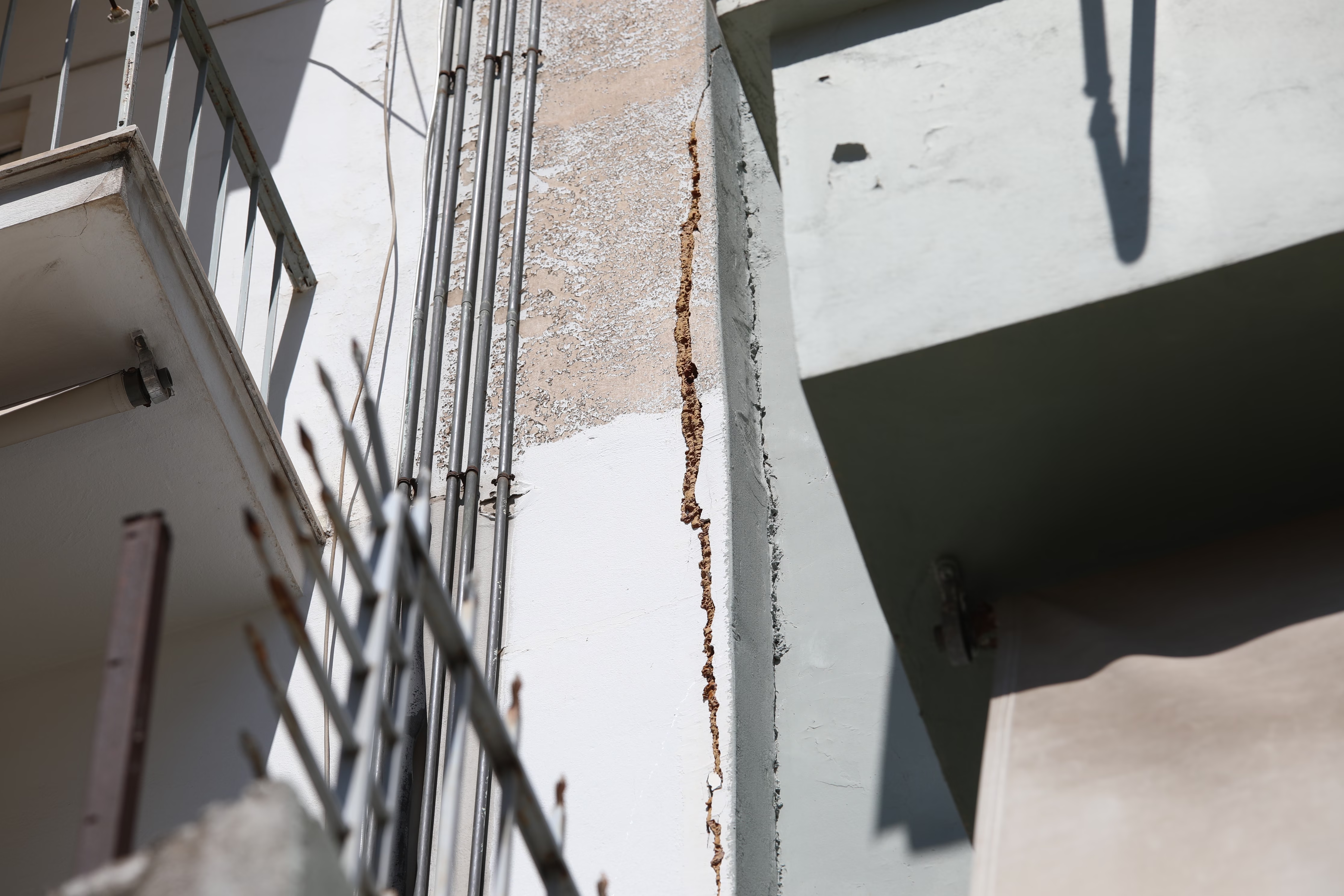
Apartment buildings in Kypseli, a densely populated neighborhood in central Athens, could suffer serious damage even in the event of a minor earthquake because of structural problems linked to construction work on the city’s Metro Line 4, according to warnings presented to the Athens City Council.
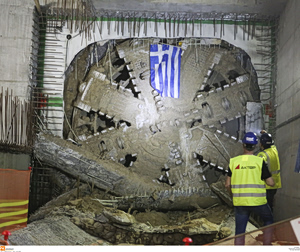
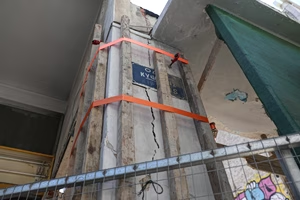
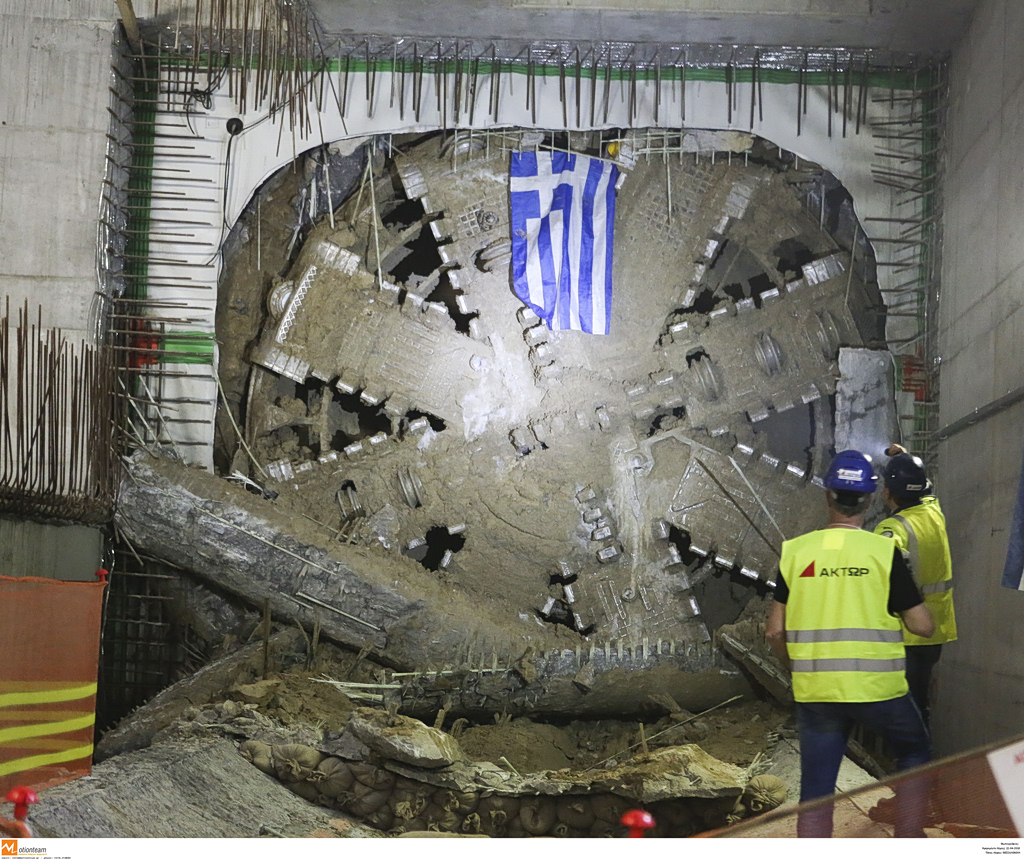
The most concerning case involves two apartment buildings at 92-94 Spetses Street, near the site where the tunnel-boring machine has been stationary since May 8. The situation was outlined by Nikos Krasakis, a structural engineer and technical adviser to the residents, who described serious concerns about the buildings’ structural integrity.
One of the most significant findings, he said, concerns a foundation footing that is not resting on the ground at all, raising serious questions about the building’s stability.
“I will point out that one footing is not resting on the ground at all. This is a significant problem and means that even a minor earthquake could cause very serious damage,” Krasakis told the council.
He stressed that reinforcement work already underway is only a temporary protective measure and does not resolve the underlying structural problems. A permanent solution requires the completion of the necessary technical studies and a specific timetable for repairs.
That plan, he said, must cover both the buildings at 92-94 Spetses Street and all other apartment buildings in the area damaged by Metro construction, with the aim of restoring their structural safety and protecting residents.
Official documents raise questions over building safety
Krasakis’ warnings followed an intervention by residents’ lawyer Thanasis Kambagiannis, who asked the city council whether the affected apartment buildings were currently considered to be in immediate danger.
Kambagiannis presented two documents — one from Elliniko Metro, the state-owned company responsible for the Metro project, and another from the construction contractor — that he said supported residents’ concerns about an immediate safety risk.
The first document, dated November 12 and signed by Elliniko Metro’s project director, refers to work to “improve and restore the support of the foundation footings” of the apartment building at 92-94 Spetses Street.
Kambagiannis argued that the company’s own reference to the need to restore the foundations demonstrated the seriousness of the problem and reinforced residents’ concerns.
An email sent to Vasilis Bardakis, head of the Technical Chamber of Greece’s expert team tasked with assessing damage to apartment buildings in Kypseli, was even more explicit, according to the lawyer. The email was also copied to Krasakis.
In it, the contractor referred to “the required actions to eliminate an immediate danger” in buildings on Spetses Street, specifically citing building 513, which corresponds to the apartment block at 92-94 Spetses Street. The reference also covered other buildings, with the address given as a representative example.
Residents point to conflicting statements
Kambagiannis also highlighted what he described as a serious contradiction between the documents and Elliniko Metro’s public statements.
In a press release issued on November 16, the company said that “there is no indication of a need for relocation due to the dangerous condition of the buildings.” Residents argue that this position conflicts with the contractor’s references to an immediate danger in its correspondence.
“It is not possible for there to be documents from the contractor referring to an immediate danger to the buildings while, at the same time, Elliniko Metro informs the mayor that there is no question of relocation,” Kambagiannis said, describing the considerable anxiety among residents.
He called on the Athens municipality to arrange an urgent new meeting with the Ministry of Infrastructure and Transport so that authorities could provide an official and clear assessment of whether the buildings are in immediate danger.
The lawyer also argued that residents should not be left to decide for themselves whether it is safe to remain in their homes, nor should uncertainty create divisions among them while the state has yet to clarify the buildings’ safety status.
Residents are also seeking access to the latest inspection reports prepared after a meeting at the ministry, along with a detailed timetable for completing the technical studies and repairing the damaged apartment buildings.
A report by British engineering expert and professor Lord Robert Mair is expected around mid-December. Mair has been appointed to examine the technical aspects of the case.
Athens mayor calls for evacuation
Athens Mayor Haris Doukas directly raised the issue of the buildings’ safety, saying that the documents referring to an unsupported foundation footing and the need to eliminate an immediate danger left no room for complacency.
“When they send you a document saying that one footing is not resting on the ground and that there is a need to eliminate an immediate danger, do you understand that there is a risk or not? As an engineer, I believe there is a major risk. That is why I am taking responsibility and sending a document requesting the evacuation of the building,” Doukas said.
He added that Elliniko Metro and the other authorities involved must assume responsibility and decide how to proceed.
The mayor also cited another document from Elliniko Metro requesting permission from the relevant roadworks authority to install scaffolding so that critical work to eliminate safety risks could be carried out at several apartment buildings on Spetses Street.
“To eliminate a danger means that there is a danger,” he said.
Residents remain in buildings amid uncertainty
Doukas recalled that an agreement had been reached to allow engineers into all the homes to conduct inspections and document the damage, a process that residents had cooperated with.
However, he said, the next stage did not proceed as agreed. The original understanding was that the technical studies would be presented first, followed by the necessary repair work based on their findings.
Instead, work began at one of the apartment buildings on Spetses Street without residents being informed in advance, the mayor said.
Crews began bringing in and pouring asphalt, concrete and other materials, causing considerable concern among residents. Several people continue to live in the affected buildings despite their worries about their safety.
“The municipal administration is asking for zero risk in all activities,” Doukas said. He argued that work involving structural reinforcement and the restoration of building safety should be carried out after the buildings have been evacuated, so residents are not exposed to danger.
“Can work be carried out on the support structures while people remain inside?” he asked, adding that the engineers responsible must assume responsibility for the technical interventions and the decisions surrounding them.