 Μake us preferred on Google
 PHOENIX—A 26,000-pound box truck loaded with Doritos and Frito-Lay chips rolls out of a distribution center, bound for a Walmart store about 4 miles away. It looks like any other truck, but there is no one at the wheel.
This is one of the 35 driverless trucks PepsiCo is running on Arizona roads, marking it as the first major U.S. consumer-goods company to disclose the real-life, large-scale use of autonomous trucks on public roads. They are traversing busy highways and local streets as they transport PepsiCo products between bottling plants, storage facilities and stores like Walmart and Dollar General.
At least nine autonomous-truck companies are operating in Southern and South-Central states, especially Texas, but many still have human monitors at the wheel, or are being used only in limited tests. PepsiCo’s operation, using trucks outfitted with sensors and computers from an autonomous-truck company called Gatik, is a step beyond, on par with the technical hurdles being cleared by much smaller, lighter driverless passenger taxis from Waymo, Tesla and other companies.
“These operations that we’re running today are real,” said Jim Farrell, PepsiCo’s senior vice president of supply chain. “They are running in multiple markets in a live network, not like some experimental test environment.”
PepsiCo has five more trucks on the road in Texas and one in Arkansas. The medium-duty and heavy-duty box trucks are manufactured by Isuzu Motors, collaborating with Gatik in design and production.
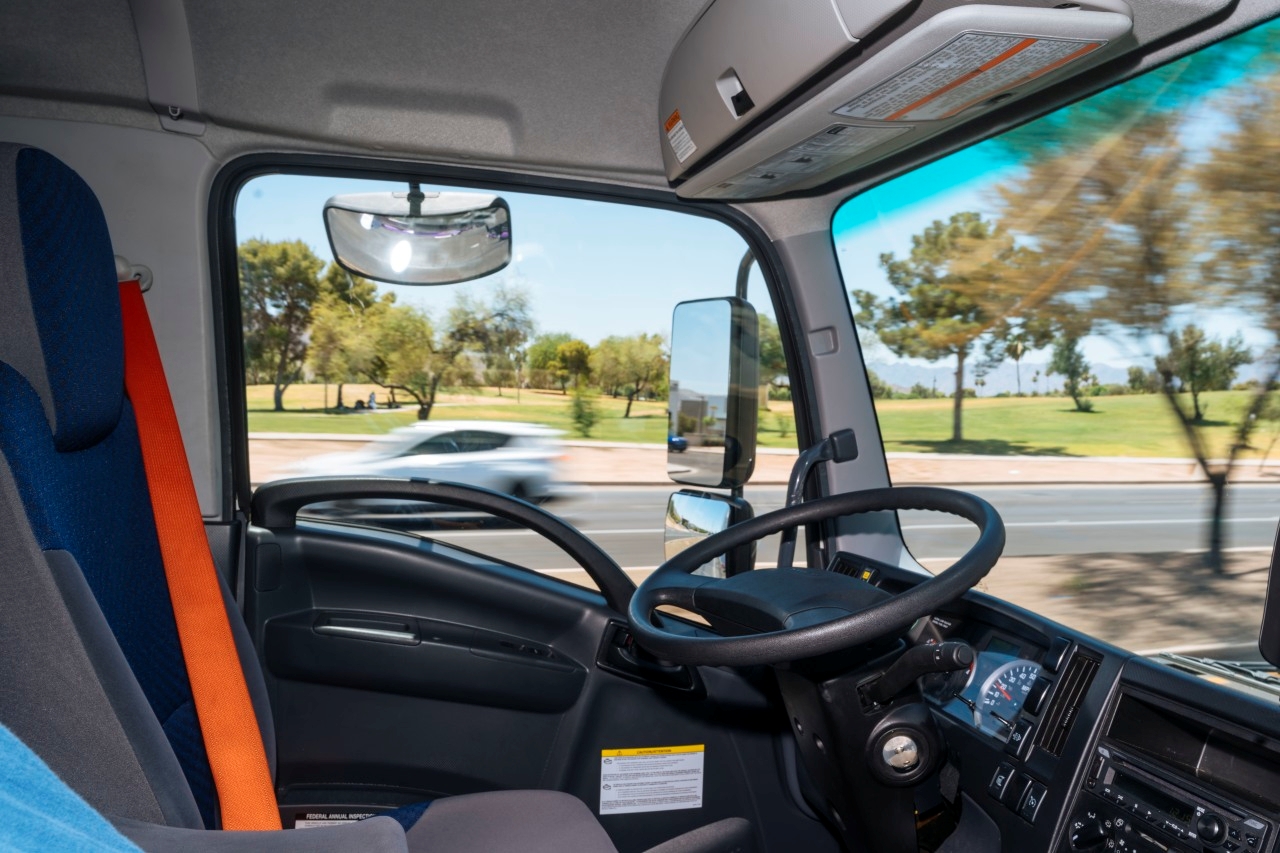
The truck has multiple cameras mounted at the front and back, as well as radar and lidar equipment that help determine what’s on the road. Inside the cab, there remains a steering wheel and air conditioning, as well as three iPad-sized screens showing the footage from the external cameras and the computer-vision system, similar to the autopilot displays in Tesla’s cars. In my brief test run, the steering wheel rotated itself as the truck made careful turns. It never went over the speed limit.
Current trucks in production don’t include the tablets, and future generations of driverless trucks won’t technically require a steering wheel or even the cab. They will, however, continue to have an air-conditioning system to cool the onboard computers, said Gatik co-founder and Chief Engineer Apeksha Kumavat, who sat next to me during the test run in Phoenix’s midday heat.
Gatik said PepsiCo has one of the largest fleets of its autonomous trucks in the U.S., but it declined to name its other American clients. More than 20 of its trucks are currently ferrying goods in the Toronto area for Loblaw, Canada’s largest retailer, Gatik said. The autonomous-truck company said it has secured $600 million in revenue for multiyear contracts.
PepsiCo has been working directly with Gatik since 2022 to perfect the technology. They operated with a safety driver in each truck for a few years, and started driverless runs in June 2025. The trucks have had no accidents on public roads so far, PepsiCo said.
Now it is looking to expand the use of these vehicles for more short-haul trips to more locations.
At a Frito-Lay warehouse in Phoenix, workers load Cheetos and Doritos onto Gatik trucks daily, bound for dozens of locations.
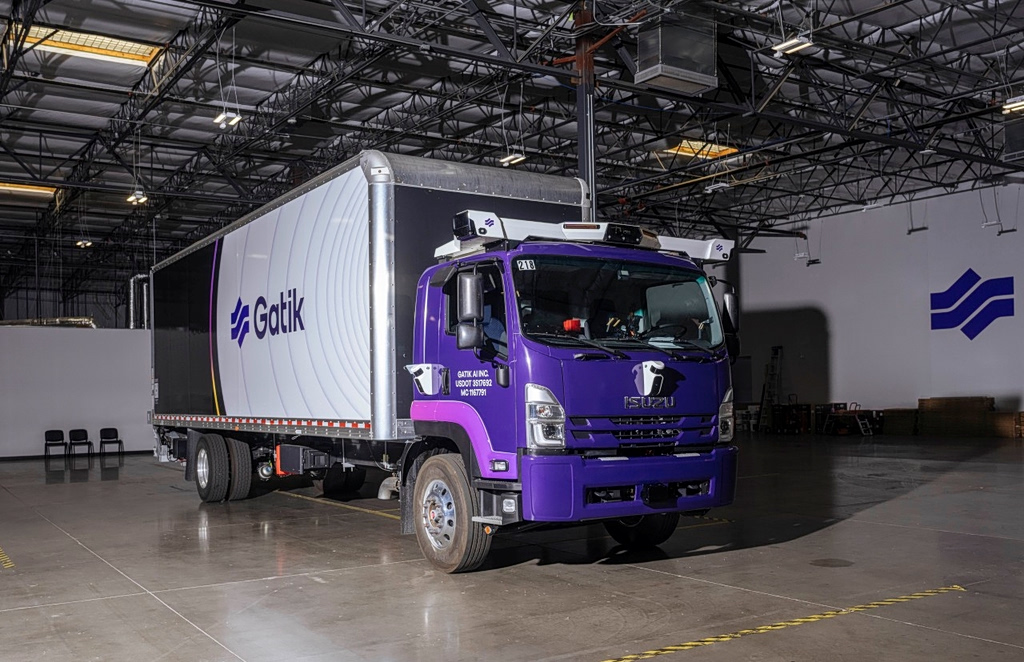
A Gatik truck in Chandler, Ariz. Johnny Kompar for WSJ
In instances where the trucks are making deliveries to stores, PepsiCo employees are there to meet the trucks and unload them. Many of the company’s delivery drivers have always been sales representatives too, and not having to travel with the truck allows them more time to interact with store owners to pitch them on the latest promotions, the company said.
Farrell said the driverless trucks are more reliable than human drivers. The on-time arrival performance from driverless trucks reached 99%, after factoring out uncontrollable variables like weather and traffic.
“The promise of autonomous driving will hold around on-time pickup and on-time delivery,” said Gautam Narang , chief executive and co-founder of Gatik. “There’s predictability that you can introduce by having these systems.”
Plus, humans can call in sick or hit up against service limits that cap how many hours a day they can be behind the wheel. And the number of truck drivers has been constrained in recent months by new federal rules enforcing English-language proficiency and narrowing the pool of immigrants eligible for non-domiciled commercial driver’s licenses.
The driverless trucks perform best when they shuttle back and forth in repetitive trips—for instance, a 14-mile trip between a Gatorade bottling plant and storage facility. That route has fewer variables compared with routes that have more pickups and deliveries. When the driverless trucks deliver to stores, they may face more issues like congestion or occupied docks.
“Many of our routes that we’re operating are very repeatable and so, as the truck gets more history going through, it can become more sophisticated and it learns as it goes,” said Farrell.
PepsiCo employs thousands of drivers in the U.S., some represented by unions that have strongly opposed the rollout of autonomous trucks. The International Brotherhood of Teamsters has lobbied several states to require a trained human operator in any autonomous vehicle used to deliver commercial goods.
PepsiCo anticipates retraining and redeploying some drivers to other types of work, including managing the new equipment, synchronizing the movement of people who go to the stores, or handling the unloading themselves. But ultimately, the company expects to hire fewer drivers.
“One of the things that we can do is be able to grow the business without having to add as many employees,” said Farrell. During holidays when stores get busier and shelves need to be replenished more frequently, the autonomous trucks can be deployed in place of drivers who may not be readily available, Farrell said.
Shippers and trucking companies that are looking to operate autonomous truck fleets are governed by state regulations. There are currently no federal laws regulating autonomous vehicles, though operators are asked to voluntarily submit safety evaluations to the regulators, including the National Highway Traffic Safety Administration and some state transportation departments.
The Arizona Department of Transportation is widely seen as having a more welcoming regulatory environment for autonomous trucking companies than other states. Autonomous-vehicle companies are required to follow a self-certification process to operate without a driver, said Bill Lamoreaux, a spokesman from the department: “ADOT’s top priority is safety.”