Israel and Hamas are preparing for renewed fighting as the Palestinian militant group is refusing to disarm, a requirement that is holding up progress on President Trump’s peace plan for Gaza.
Israel’s military has drawn up plans for a new ground operation inside Hamas-controlled territory in Gaza, according to people briefed on the plans. Hamas is focusing on rebuilding military capabilities lost during the war, including parts of its damaged tunnel infrastructure, Arab and Israeli officials said. The U.S.-designated terrorist group also has received a new influx of cash that has helped it regularly pay salaries to its fighters again, the officials said.
Israel “must be prepared to quickly transition to a wide attack across the other side of the yellow line,” said Israeli military chief of staff Eyal Zamir, in November, referring to Hamas-controlled territory.

Israeli soldier takes position in the Gaza Strip, amid the ongoing conflict between Israel and the Palestinian Islamist group Hamas, in this handout picture released on December 27, 2023. Israel Defense Forces/Handout via REUTERS THIS IMAGE HAS BEEN SUPPLIED BY A THIRD PARTY
Israel and the U.S. have said Hamas needs to give up its weapons in compliance with the cease-fire agreement. Hamas is open to giving up what is left of its stock of heavy weapons, but won’t turn over its small arms, Arab officials said. Israel estimates the group has 60,000 rifles and 20,000 fighters.
An Israeli official said Hamas won’t be able to shirk its obligation to relinquish its arms. The official said that if the group doesn’t willingly give up its weapons, Israel would force it to do so.
There are no immediate plans for the military to enter Hamas-controlled Gaza, and Israel is willing to give time for the U.S. plan to move forward, Israeli officials said. Moving ahead with any war plans would be a decision to be made by Israel’s political leaders, another Israeli official said.
Trump has sent Hamas a similar message, saying in December that “there will be hell to pay” if the group doesn’t give up its weapons.
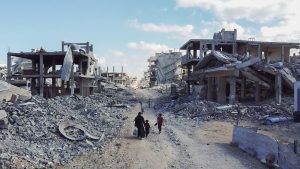
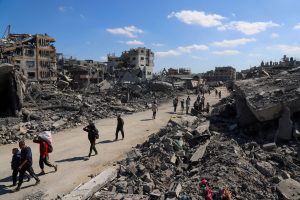
An October cease-fire ended two years of heavy fighting between the two sides that left more than 70,000 Palestinians dead and the enclave in ruins. A return to war would have grave consequences for Gaza’s roughly two million Palestinians, most of whom have been displaced during the war and many are living in tent encampments or other makeshift shelters.
The plan’s first phase left the enclave divided: Israel controls just over 50% and Hamas controls the rest. The second phase of the plan requires Hamas to give up governing control of Gaza and turn over its arms, after which Israel would pull its troops back to a much smaller buffer zone. An international force would enter Gaza to help stabilize it, and a committee of Palestinian technocrats would run Gaza, overseen by a so-called Board of Peace chaired by Trump.
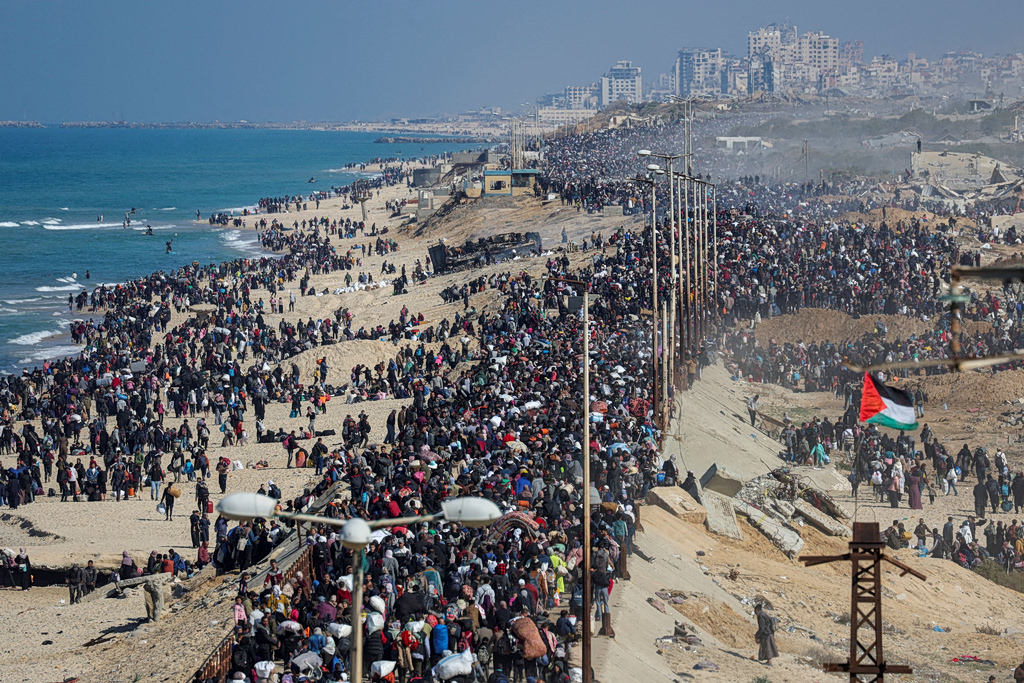
Palestinians, who were displaced to the south at Israel’s order during the war, make their way back to their homes in northern Gaza, amid a ceasefire between Israel and Hamas, in the central Gaza Strip, January 27, 2025. REUTERS/Ramadan Abed
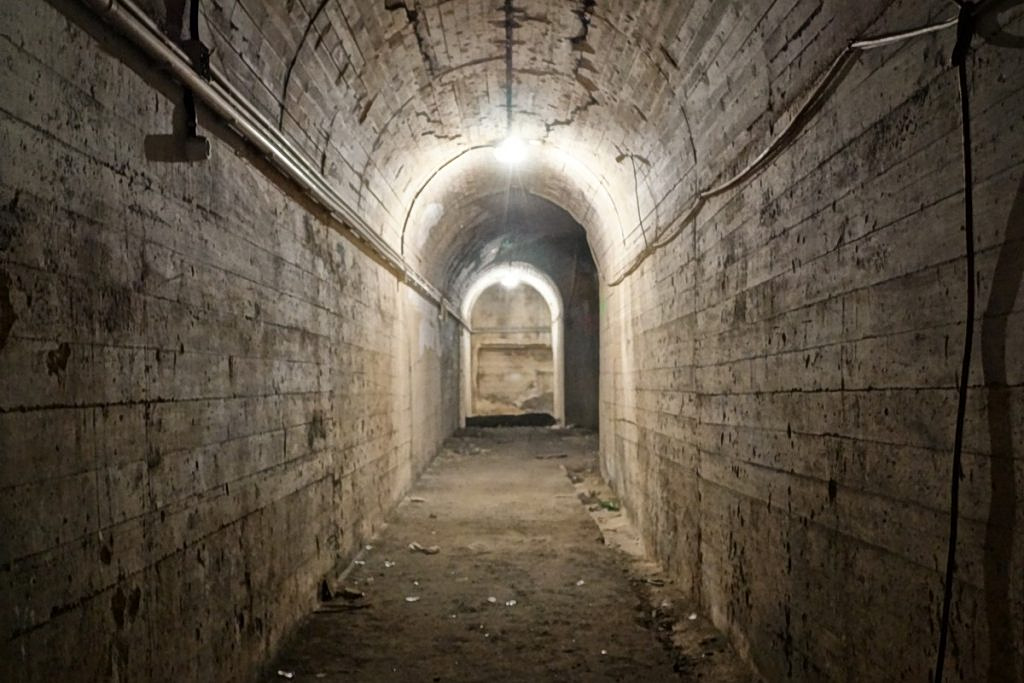
Since the cease-fire ended, Hamas has cracked down on opponents and moved to strengthen its grip over Gaza. The group has been appointing new commanders to succeed those who were killed and has started rebuilding some of its damaged tunnel infrastructure, Arab and Israeli officials said. The group is also rebuilding its financial coffers with access to cash it had stored in tunnels, from taxation, and an influx from Iran, the officials said.
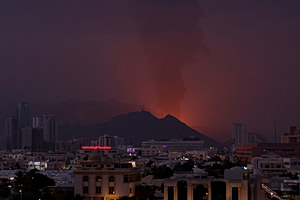
The possibility of renewed fighting in Gaza comes as Israel mulls a new round of clashes with the Lebanese militia Hezbollah and Iran. Israel says Hezbollah is trying to rehabilitate its armed wing after it dealt the group several painful blows. Israeli officials say a new operation in Lebanon may be required to help the Lebanese military disarm the group. The Lebanese military says it is effectively disarming Hezbollah on its own.
Israel is also closely watching efforts by Iran to rebuild its ballistic missiles program after their 12-day war in June , and has warned it would launch new strikes to keep that from happening. Trump has said that he would support military action against Iran if it tries to rebuild its missile or nuclear programs.
Israeli security analysts said Israel will need to determine which battles to give priority to.
Fighting Hamas now would be easier for Israel because it doesn’t have to worry about putting the hostages at risk, said Erez Winner, who held a senior planning position in Israel’s military for most of the war in Gaza and is now a research fellow at the Israel Centre for Grand Strategy.
Since most Palestinians on the Hamas side of Gaza are living in tents, it would be easier for Israel to evacuate them, he said. Israel could also offer Palestinians safety on the Israeli-controlled side of Gaza, he said.
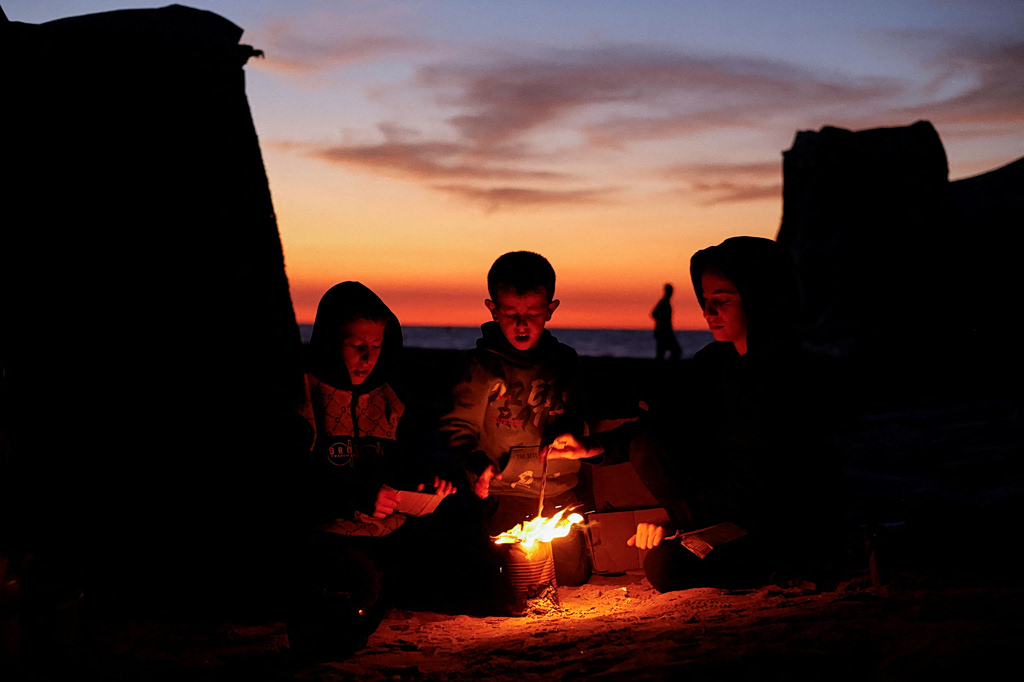
Palestinian children sit next to a fire, amid a ceasefire between Israel and Hamas, in central Gaza Strip, November 17, 2025. REUTERS/Mahmoud Issa TPX IMAGES OF THE DAY
“It will be much faster and easier than people want to believe,” he said, of a new round of fighting in Gaza. “It’s adjusting plans we already have to the current situation.”
Israeli security analysts said Israel could choose a large-scale invasion of Gaza City—the de facto capital of the enclave—in an attempt to force a quick surrender from Hamas, or slowly wrestle control of the enclave piece by piece.
“It can be gradual or swift, depending on the time frame and strategy,” said Amir Avivi, a former senior defense official close to the current government. “The army is ready and can do both.”
Hamas has agreed to disarmament under Trump’s peace plan, and the Board of Peace and Palestinian technocratic government envisioned under the plan will decide what constitutes disarmament—such as whether it includes small arms—and how it will be implemented, a source familiar with American thinking on the matter.
Hamas is increasingly levying taxes on all kinds of goods and services in Gaza, Arab and Israeli officials said. Cash transfers from Iran into Gaza move through a network of intermediaries, the officials said.
The new cash flow is helping Hamas pay government employees as well as its fighters more consistently, and is fueling the group’s recruitment efforts, Arab and Israeli officials said. It is also helping to fund the group’s reconstruction of parts of its vast tunnel system underneath the enclave, the Arab officials said.
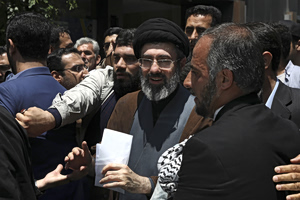
Hamas is facing elections to pick a new leader outside of Gaza that could determine whether the group risks a new round of fighting by continuing to refuse to give up its weapons. The race is currently between Khalil Al-Hayya, who believes the group should not disarm, and Khaled Mashal, who is more open to a compromise with Israel. The current leader of Hamas in Gaza, Ezzedin Al-Haddad, supports a hard-line stance against disarmament.
The refusal by Hamas to disarm isn’t the only thing preventing the peace plan from progressing. Other parts of the first phase haven’t been completed. Israel has yet to open the Rafah border crossing between Gaza and Egypt so that Palestinians can enter and exit the enclave, while the body of the last remaining deceased Israeli hostage in Gaza has yet to be returned.
The U.S. has also struggled to establish the international stabilization force envisioned by Trump’s peace plan, as few countries are willing to sign up while Hamas refuses to disarm. Israel and the U.S. have also said that there will be no rebuilding efforts in Gaza until Hamas disarms.
Write to Dov Lieber at dov.lieber@wsj.com and Summer Said at summer.said@wsj.com