Adam Benson works in cybersecurity by day. By night, he’s trying to hack the code for Starbucks’s iced chai.
The 58-year-old dad became hooked on the chain’s tea lattes in 2001, when he started dating his now wife and was searching for a sweet beverage to sip alongside her. Soon, he was splurging on a chai two to four times a week.
Then, in March, the trouble began.
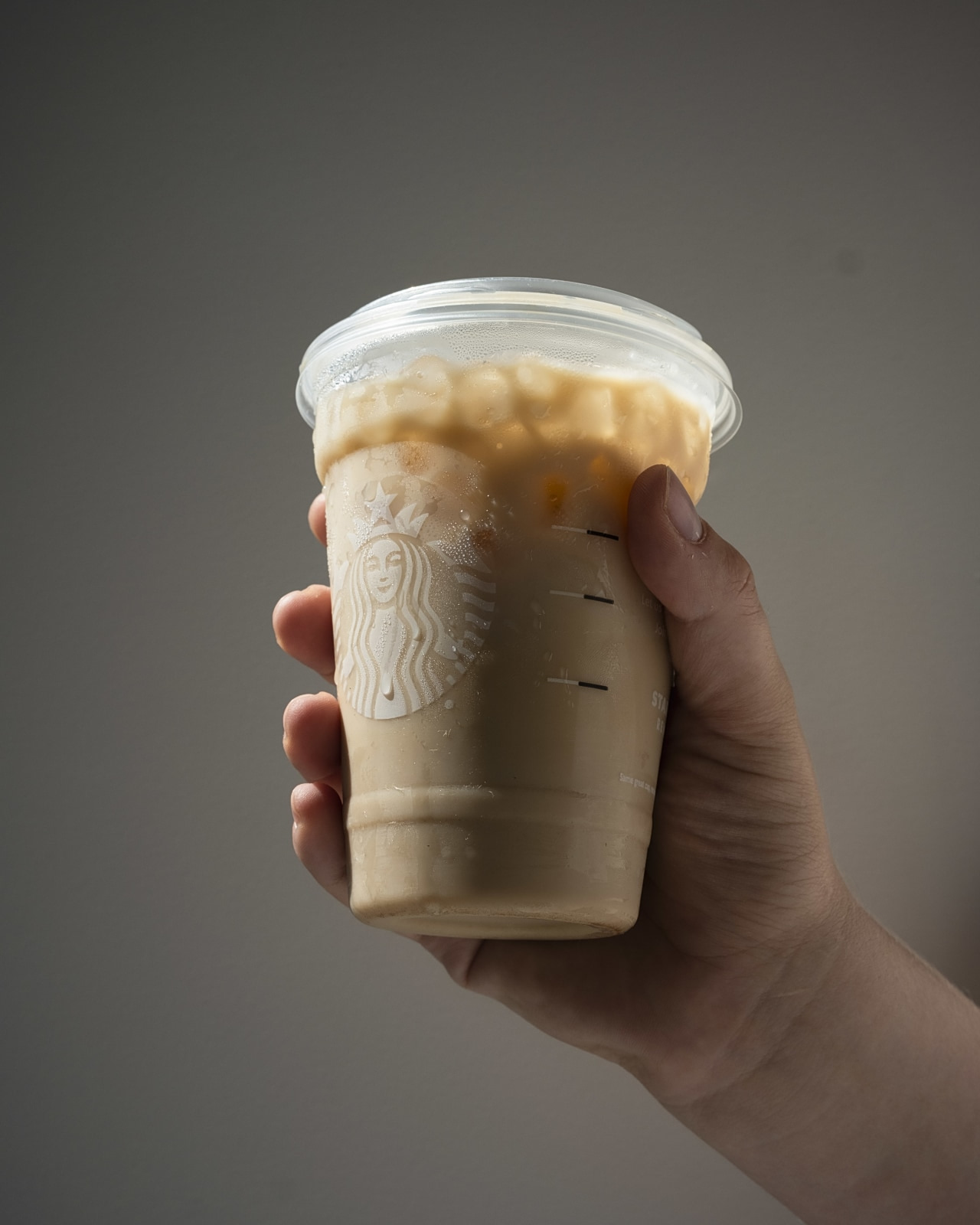
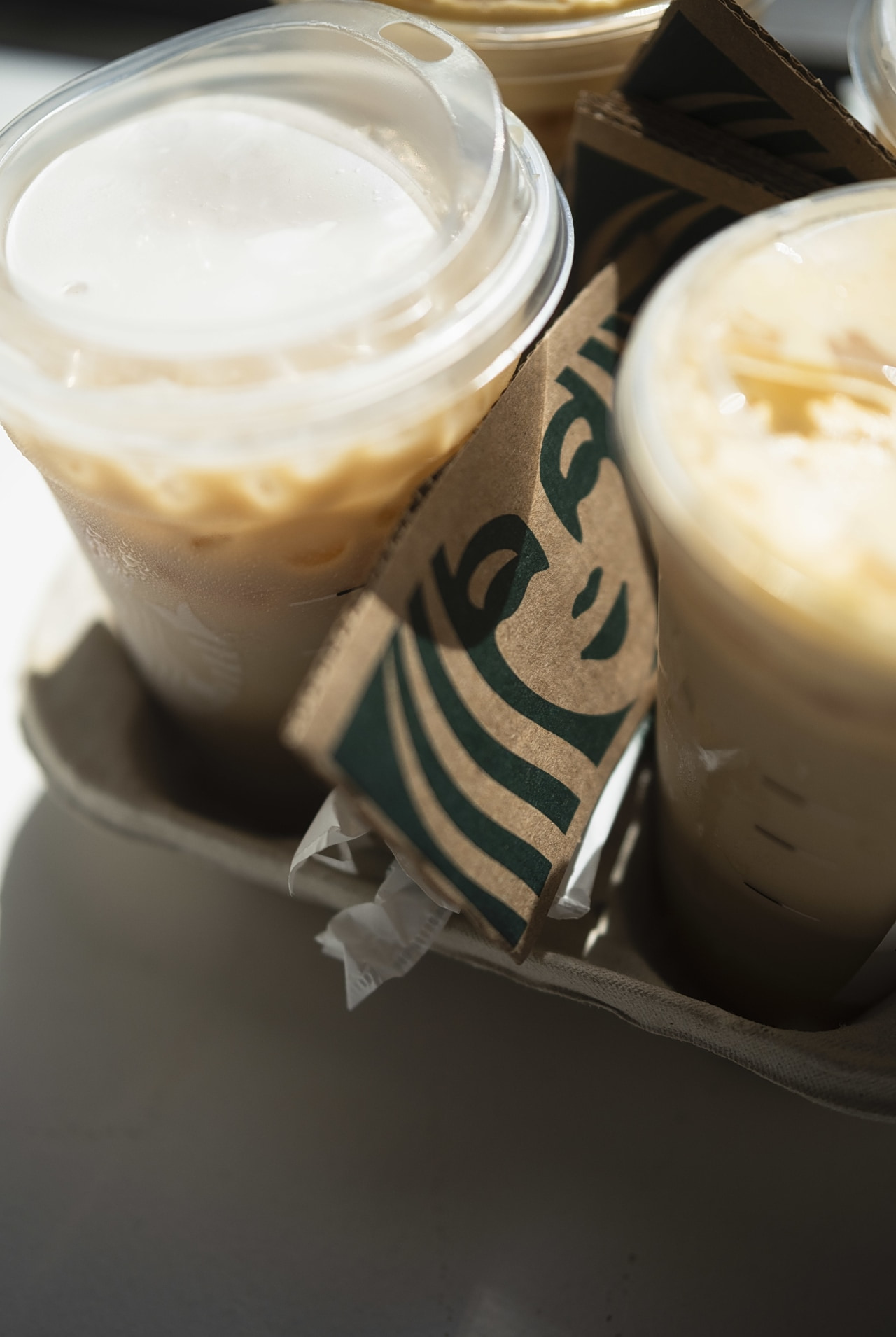
Devotees of Starbucks original iced chai have re-evaluated their rituals. Chase Gaewski/WSJ
For the first time in years, his chai wasn’t a sweet treat with a luscious, spicy taste. He tried a different Starbucks in the Washington, D.C.-area, but his order still came out thin and bland. He asked a barista for guidance, and got the bad news: Starbucks had changed its chai formula.
“I had found my drink, my happy place,” said Benson, who over time perfected his order: seven pumps of chai concentrate, seven squirts of sugar-free vanilla syrup. “Now it’s been taken away.”
While consumers are accustomed to their favorite sneakers or jeans suddenly requiring a different size or style, brands like Starbucks are generally selective with changes to their tried-and-true core offerings. But the coffee chain is on a mission to boost sales, and CEO Brian Niccol has been rethinking everything .
The new “premium chai” recipe is a reflection of the company’s fresh focus on customization. It still blends black tea and spices (cinnamon, clove, cardamom and ginger), but it’s now sweetened with just two grams of honey.
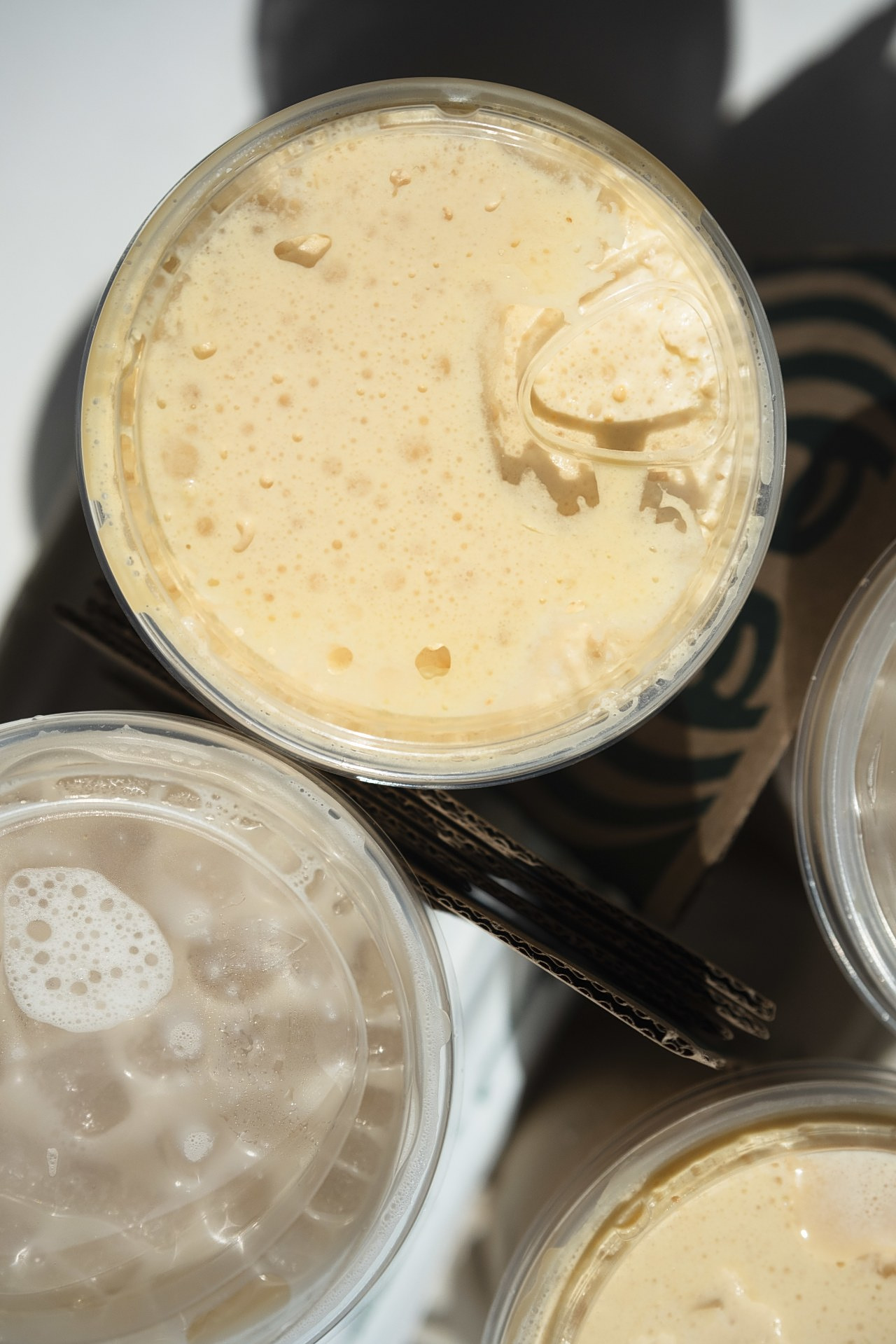
Starbucks says its new chai and novelty versions like Pumpkin Cream Chai offer people more options. Chase Gaewski/WSJ
That allows people to add or subtract sweetness, chai flavoring or syrups, Starbucks said. New novelty versions like Mango Cream Chai or Pumpkin Cream Chai offer greater variety.
“Customer demand for personalization continues to shape our innovation strategy,” a spokeswoman said. “Chai was a clear opportunity to extend that choice.”
Many of their chai devotees have other opinions.
They’re complaining on Reddit and store sites, and signing petitions to bring back the old recipe. They’re calling Starbucks headquarters, emailing executives and taking out their angst on customer-service chatbots. They’re even becoming part-time sleuths, trying to figure out the recipe to replicate their lost chai—and get the bottom of the “Great Chai Incident of 2026.”
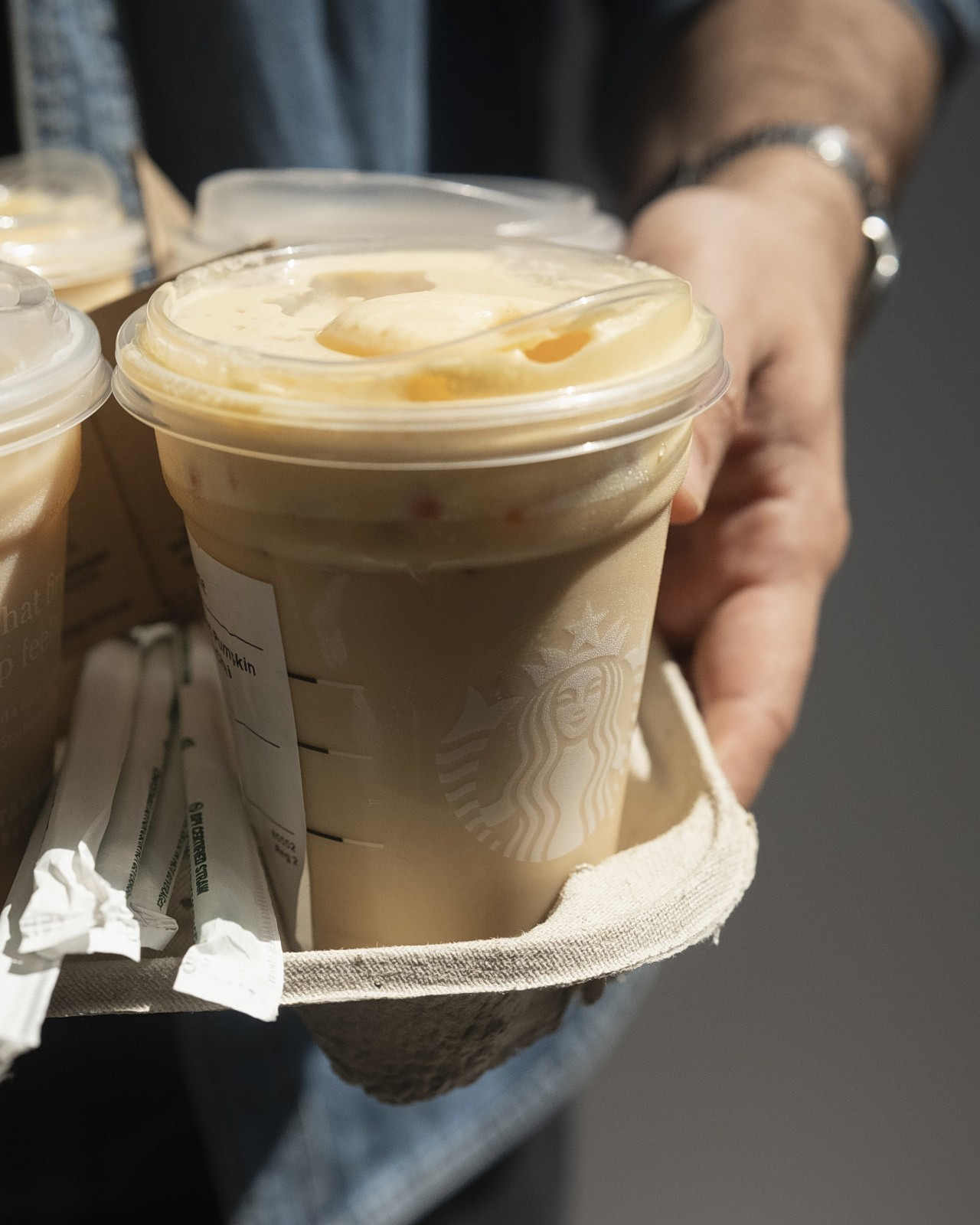
Some chai lovers are forgoing their old Starbucks run. Chase Gaewski/WSJ
Ricki Fairley, of Annapolis, Md., believes Starbucks is looking to make more money off the drinks. By dialing down the sweetener in the original formula, the 70-year-old theorized, fellow chai addicts must now plunk down more for pumps of vanilla syrup or other add-ins to remake their drink.
In a “formal complaint” sent via email, she charged Niccol and seven other Starbucks executives with one task: “Turn this unnecessary mess around.”
Starbucks said it doesn’t cost more to add classic syrup or chai to the revised drinks, but flavors like vanilla or brown sugar go for a standard 80 cents extra. Most customers who try the new chai say they’d pop in for one again, the company noted.
Baristas are often left to face the steam from chai loyalists. Some have apologized for the affront and consoled customers, helping them move through the stages of grief to acceptance. Others have guided customers to a different drink, or offered hacks to try to re-create the classic chai.
Drinkers are swapping those and other recipes on Reddit boards filled with other obsessives. “The closest I’ve been able to get to bringing its sparkle back has been no classic, half vanilla, half cinnamon dolce,” one chai lover posted, with roughly 100 messages in response.
Complaints, baristas say, have started to ease.
Chase Gaewski/WSJ
Fairley has had to come to grips with the new reality. Her family noticed it was making her really grumpy.
But that hasn’t included her old Starbucks run after spin class. Fairley, the head of a cancer-support network and a former corporate marketer, is making her own chai at home now using a recipe she brought back from a trip to Kenya, or Tazo chai concentrate. “It’s not the same thing, but it’s close second.”
Tea companies say they’re benefiting from those seeking a spicier, more full-bodied drink.
“Real chai has color,” said Chiya Chai co-owner Rajee Aryal, who sells chai concentrate in Minneapolis along with running cafe locations in Chicago. “A lot of other chai just tastes like cinnamon. The tea is almost absent.”
Aryal, who thanked Starbucks for helping make chai more mainstream, believes customers are increasingly discerning and want a more complex version of chai.
Benson, the cybersecurity worker, first turned to Starbucks baristas for help remaking his old drink. One had him add more cinnamon, but the spice level still wasn’t right. Another suggested mixing in almond milk to make it more viscous again, but the taste was off.
On Reddit, he found plenty of other peeved customers but no perfect replica. So he posted on Facebook about his chai angst, and felt seen after getting six likes and a supportive comment.
Emboldened, he wrote to Niccol and other chain executives, saying they’d “alienated loyal customers.”
Benson was pleased to get a response—but didn’t care for the company’s conclusion.
“All feedback is being shared with our beverage team so they can continue to evaluate how this change is impacting customers who regularly enjoyed our Chai prior to the refreshed recipe,” Starbucks wrote.
“It’s not refreshed,” Benson quickly rebutted.
A month into its chai overhaul, Starbucks relented ever so slightly, stripping out water to help make the hot drink creamier and spicier again.
But for Benson, it’s Coke and Fairlife chocolate milk these days.