 Μake us preferred on Google
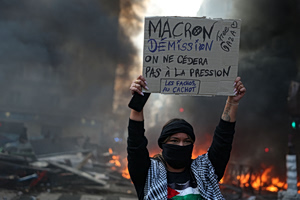
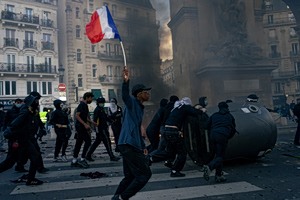
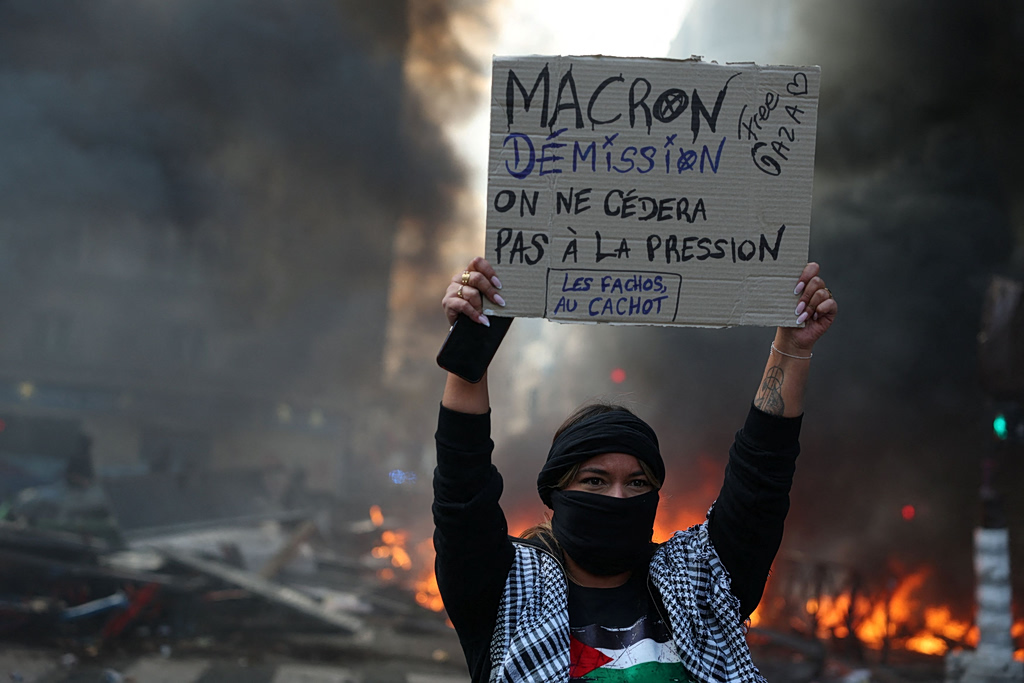
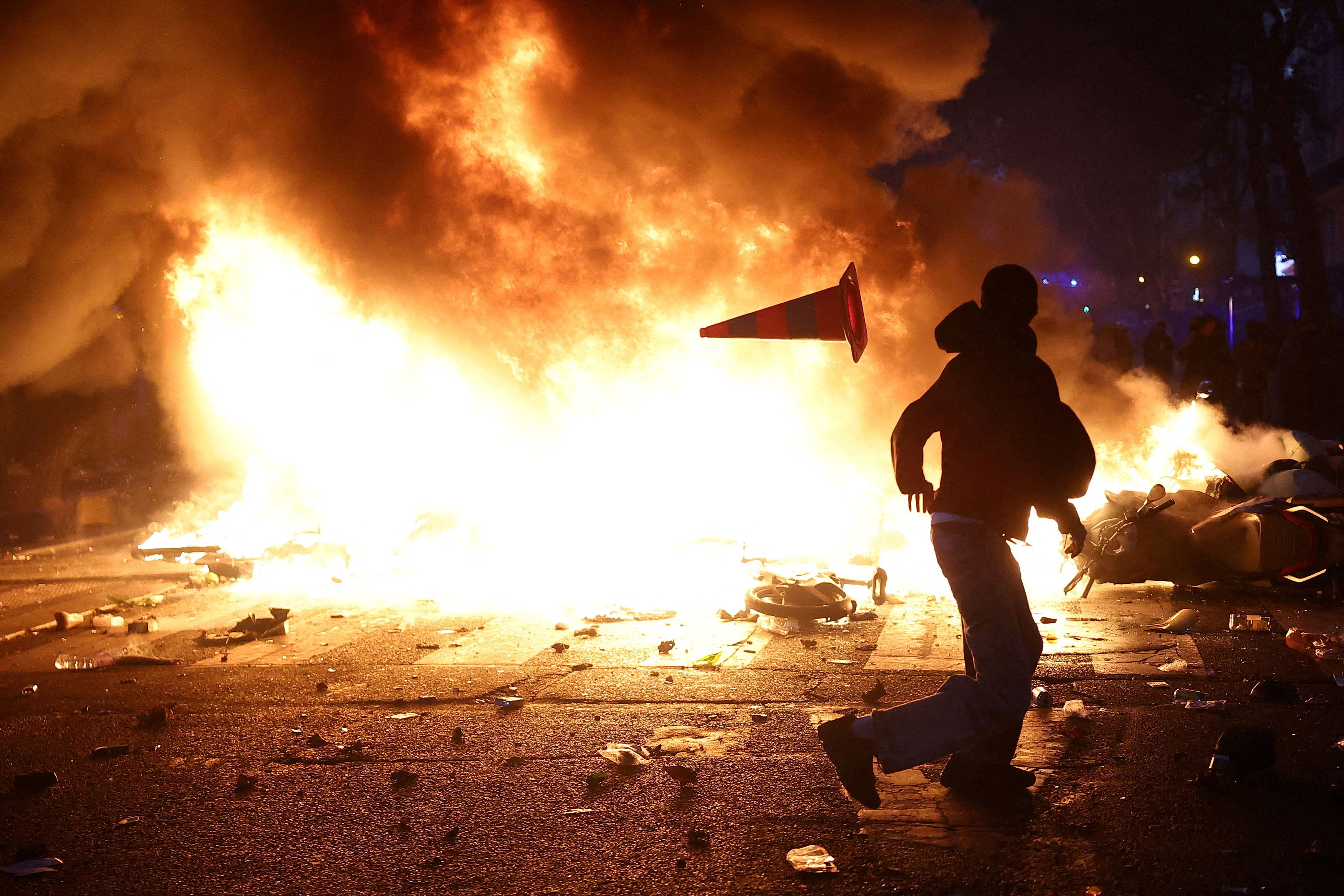
France’s government on Monday asked some local authorities to impose curfews as it came under pressure over security failures following a weekend of riots and looting sparked by nationwide anti-government protests.
Prime Minister Sébastien Lecornu ruled out a citywide curfew in Paris but did not rule out declaring a state of emergency. For now, he said, partial and localized curfews were the better option. He told reporters he was fully determined to restore order.
Curfews Targeted to Protect Businesses
Speaking after an emergency meeting with senior officials, Lecornu said he had instructed prefects to impose “very limited” and localized curfews in cities to prevent more rioting and looting, following violence that targeted city halls, other public buildings and hundreds of businesses across the country. He said the curfews would start Monday evening, notably to protect businesses, and that a map of the curfew zones would be released later in the day after consultations with mayors.
Lecornu also defended the police, saying that despite scenes of severe violence and extensive property damage on Saturday, no one was killed in the clashes, which he called a miracle. One protester did, however, die of cardiac arrest on Saturday.
Ariel Weil, the Socialist mayor of central Paris, told BFM TV that he supported a curfew. Marseille banned all gatherings and demonstrations, while French labor unions called for a new wave of strikes and rallies on November 5.
From Classroom Protests to Nationwide Unrest
The weekend’s looting and clashes followed weeks of student demonstrations. The unrest is shaking France six months before its next presidential election and highlights the strain caused by a weak economy and soaring public debt.
The student movement escalated quickly. In early October, hundreds of schools closed across France after student protests over school conditions turned violent, with dozens of school staff, hundreds of police officers, and more than 100 students reportedly injured. The unrest comes as France seeks a major fiscal adjustment in its 2027 budget. At the time, Education Minister Édouard Geffray said the movement was legitimate at the outset, while the Interior Ministry said the unrest no longer had anything to do with students’ legitimate demands.
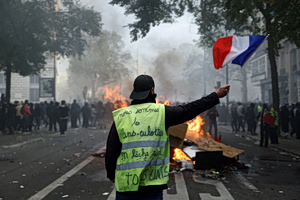
By Saturday, the protests had grown far beyond schools. Hundreds of thousands of people marched against the rising cost of living and fuel prices and in support of high school and university students, with members of the Yellow Vest movement and trade unions reportedly joining the rallies.
Government Blames the Far Left
Lecornu blamed far-left groups for some of the worst unrest France has seen in years, accusing them of trying to stir up deep turmoil ahead of the presidential election. Some members of the left-wing France Unbowed (LFI) party had publicly backed the student protests.
Hard-left presidential candidate Jean-Luc Mélenchon, LFI’s leader, challenged Lecornu on X to back up the claim with evidence. Otherwise, Mélenchon said, Lecornu should apologize, stay quiet, and stop inflaming the situation.
Thousands of Businesses Hit
According to France’s Federation of Trade and Retail, nearly 3,000 stores were affected over the weekend. The group said retailers were once again bearing the brunt of the crisis at a time when they had already been weakened by a series of setbacks, and it called for social security and tax relief for affected businesses. Alain Di Crescenzo, president of France’s chambers of commerce, estimated the damage at hundreds of millions of euros.
Lecornu said the government would introduce furlough support starting Tuesday.
In Marseille, Gérard Nouchi, who manages two clothing stores, stood in front of a boarded-up storefront and said there were not enough police officers to stop the looters. He said the rioters wrecked everything, smashed property, and insulted staff, comparing the scene to a tornado.
Junior Digital Minister Anne Le Hénanff said on X that the government had ordered online platforms to remove listings for looted goods and to help authorities prosecute people reselling them.
According to the Interior Ministry, around 2,400 people were arrested and nearly 1,000 police officers were injured.
Limoges Loses Its Historic Town Hall
One of the most striking images of the weekend came from Limoges, in central France. Witnesses said a group of masked protesters torched a police car outside the town hall, then broke windows and entered the building to set it on fire. The blaze caused the building’s 143-year-old bell tower to collapse.
Local prefect Maurice Barate said the roof had collapsed onto the lower floors, except for the west wing, and that about two-thirds of the building’s exterior was gone. He called the damage a disaster for France’s heritage and blamed hooligans for a deliberate attack.
Designed by French architect Charles-Alfred Leclerc, the neo-Renaissance town hall was built in 1883 and listed as a historic monument in 1975. The mayor of Limoges has called for a “Notre-Dame plan” to restore it, referring to the effort to rebuild Paris’ cathedral after its 2019 fire. Other buildings were also set ablaze, including a tourist office in Lyon.
Mayors Say Cities Were Left Unprotected
French assets underperformed the rest of Europe’s markets on Monday, though the moves were smaller than during some previous bouts of political turmoil. Tensions within President Emmanuel Macron’s fragile government over the apparent security failures could further rattle investors, especially as the government needs to pass a budget aimed at getting its finances under control.
Macron’s office said on Monday that he had rejected Interior Minister Laurent Nuñez’s offer to resign. Instead, Macron told him to clear the barricades, stop the looting, and be transparent about what the president described as failures in intelligence and planning. Macron also called for new policing tactics on the ground as quickly as possible.
Nuñez told France Inter radio that 60,000 police officers and other security forces were deployed on Saturday, but admitted that was not enough to control the violent crowds. He acknowledged that authorities had lost control in some major cities on Saturday, and said police strategy must adapt to highly mobile groups. He added that a number of measures to contain looters and vandals would take effect Monday evening. Nuñez also said Tuesday night’s Champions League soccer match between Paris Saint-Germain and Barcelona would go ahead as scheduled.
In a joint op-ed in the newspaper Libération, the center-left mayors of Paris, Marseille, and Lyon said they were used to demonstrations and protests. But on Saturday, they wrote, they felt for the first time that entire parts of their cities had been left unprotected.
The start of school vacations on Monday could ease tensions, but students continued to hold rallies and blockades in some places, including at the Louvre and Sciences Po university in central Paris.
Luxury Stores Damaged
Over the weekend, hundreds of thousands of people took to the streets to protest what many describe as declining and poorly functioning public services.
On Monday, most stores on Paris’ Place Vendôme, home to luxury hotels and boutiques, were closed and guarded by security staff. The front door of a Dior boutique had been smashed, and windows at other luxury stores in central Paris, including Rolex, Louis Vuitton, Ralph Lauren, and Gucci, were damaged. In Marseille, soccer club Olympique de Marseille said its official store on the city’s historic main avenue had been looted.
Protests over the cost of living also took place over the weekend in other European countries, including Italy, Belgium, and Albania. Several European governments have warned citizens traveling to France to avoid large crowds and use caution.
As France cleaned up its streets, Macron arrived in Kuwait at the start of a Gulf tour aimed at securing more gasoline and diesel supplies to bring down fuel prices.