 Μake us preferred on Google
 In China’s northeastern grain belt, farmers are getting a windfall from the government: more subsidies to grow soybeans, part of an estimated $1 trillion national effort to declare economic independence from the U.S.
More than 7,500 miles away, in Milwaukee, the industrial-parts manufacturer Husco is scrambling to use fewer Chinese-made components in its U.S. factories, as the Trump administration wields tariffs to reduce imports and try to resurrect American manufacturing.
“Some customers,” said Husco Chief Executive Austin Ramirez , “are demanding zero exposure to China.”
The forces underlying these two trends are driven by a reality settling in across Washington and Beijing. The two countries are starting to manage a messy divorce on the most sensitive issues of trade. Both view their economic competition as a matter of national security.
China’s leaders have determined that disentangling the two economies—often called “decoupling” or “derisking”—is inevitable. The shift fulfills a longstanding Chinese ambition to no longer be a junior partner to the West. It’s a break with decades of Beijing’s orthodoxy that China’s economic success depended on selling low-cost goods to American consumers and building its technological might with U.S. money and know-how.
Neither side wants to end all trade between the two economies. But fierce rivalry with the U.S. is now the primary driver of China’s economic strategy, and Xi Jinping is determined to come out on top.
“Over the past year, China has started to see the U.S. as a peer equal,” said Sarah Beran, a veteran American diplomat who is now a partner at Macro Advisory Partners. “China has accepted decoupling, and is now focused on controlling the pace of that decoupling.”
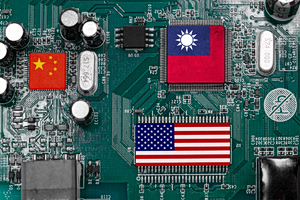
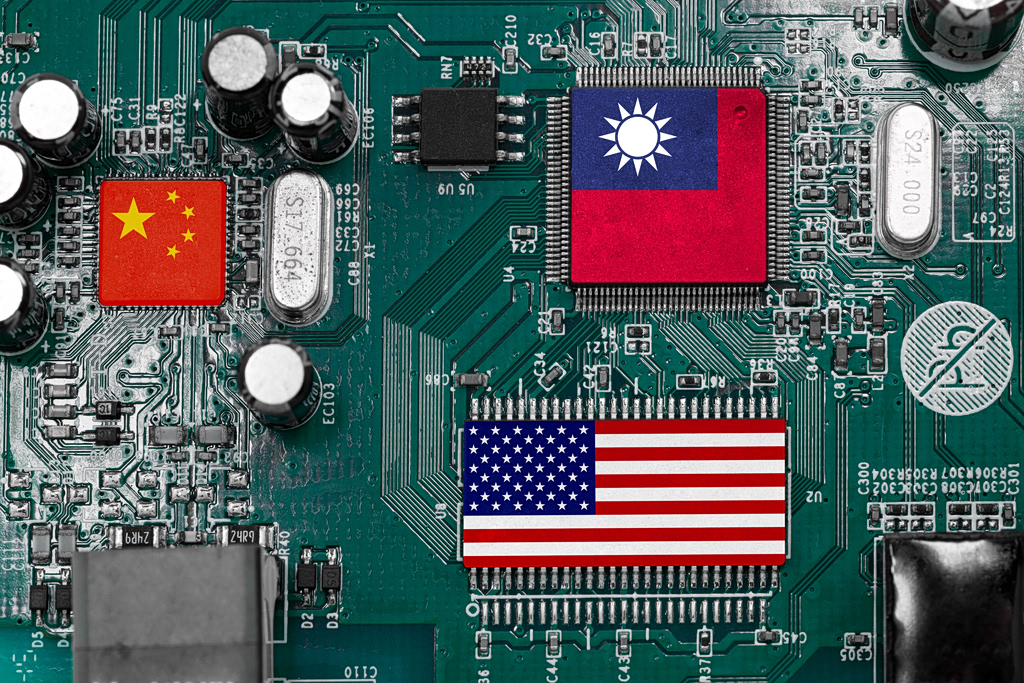
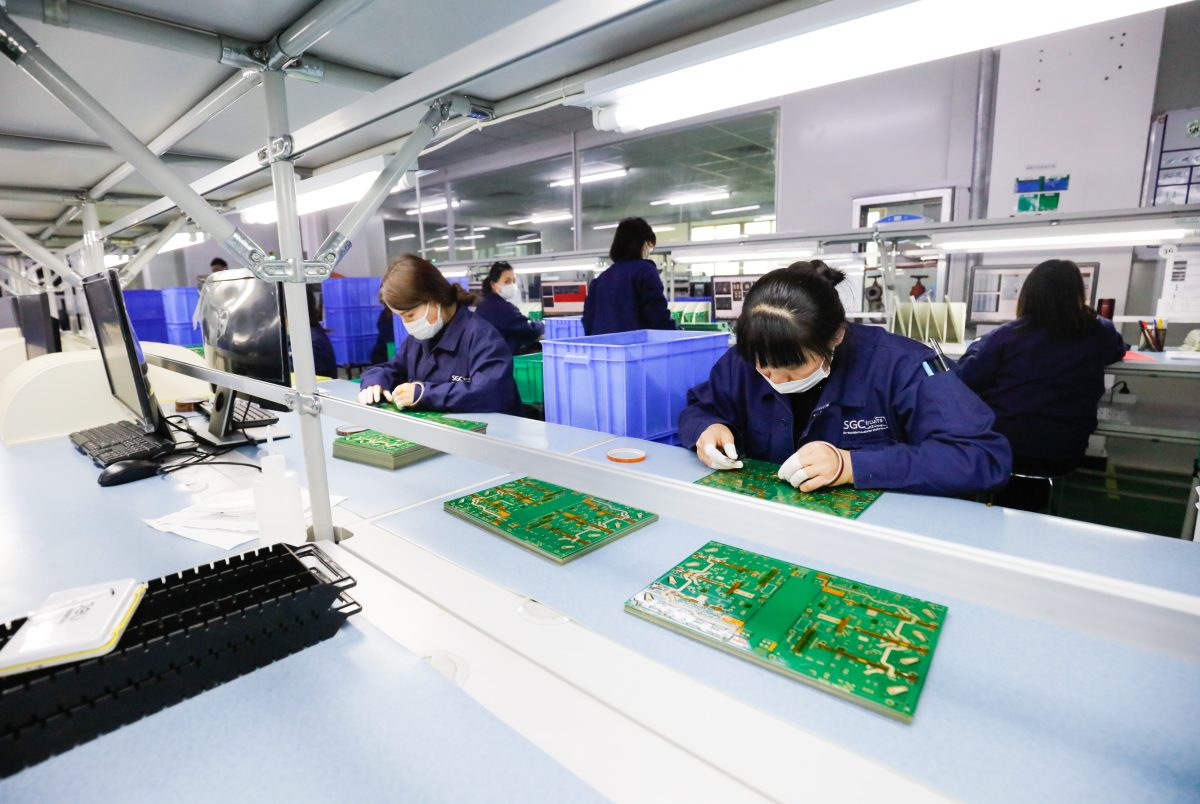
Since early 2024, Beijing has allocated nearly $1 trillion to build self-sufficiency in agriculture, energy and the semiconductors that power its artificial-intelligence drive, a Wall Street Journal analysis of Chinese public records shows. The playbook has already helped China evolve into a powerhouse in sectors like green energy and electric vehicles.
Even purported signs of continued economic integration, like President Trump’s approval of Nvidia’s H200 chips for sale to China, are seen in Beijing as supercharging its eventual independence from American tech. Trump has said the decision allows the U.S. to monetize its technological lead while still withholding Nvidia’s most advanced products.
The Trump administration’s 2025 National Security Strategy, a guiding policy document released in December, said the U.S. will “restore American economic independence” and that trade with China “should be balanced and focused on non-sensitive factors.”
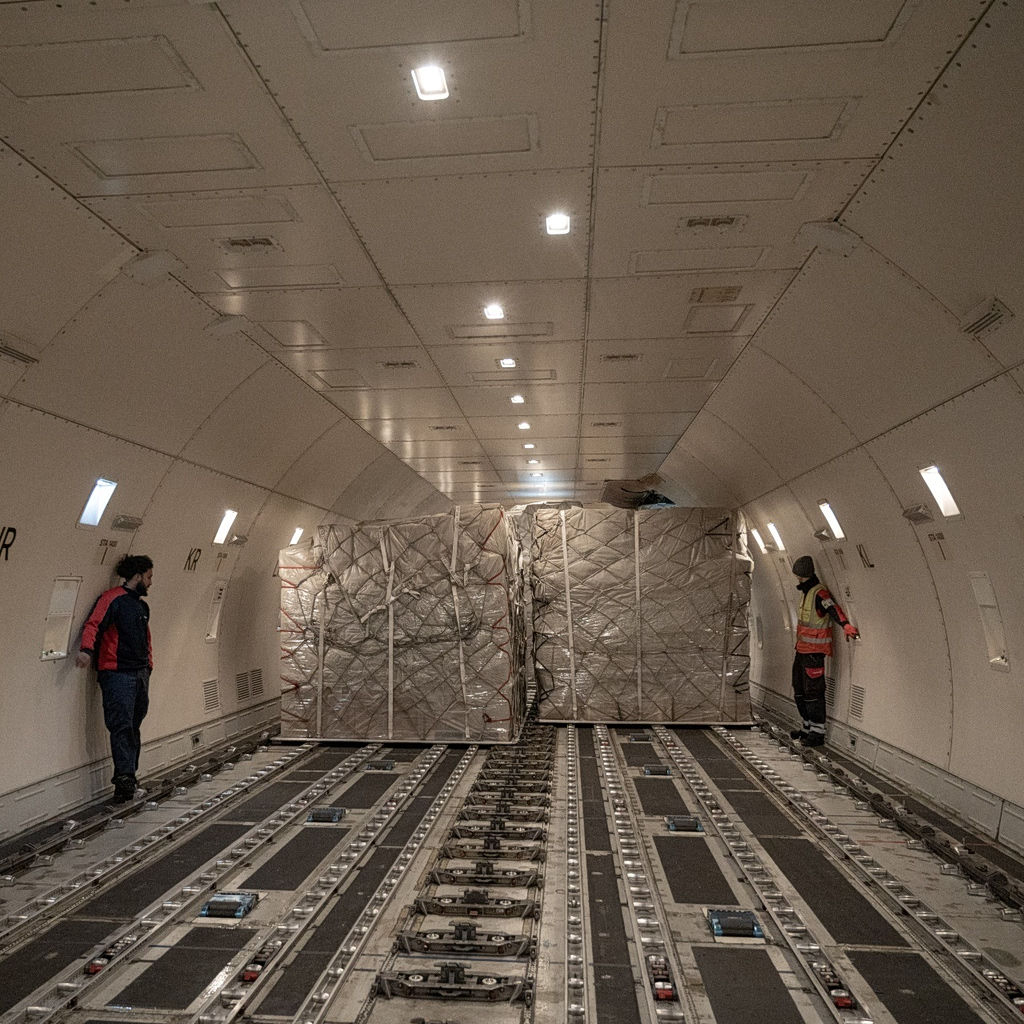
The White House aims to break U.S. dependence on strategic commodities produced in China, such as the rare-earth minerals needed for electronics and military equipment. The effort is gaining urgency thanks to Beijing’s restrictions on exporting such materials.
The Trump administration said Wednesday it has agreed to work with Japan, Mexico and the European Union on the development of those minerals—including setting “preferential trade zones” among allied nations—to counter China’s dominance.
As the world’s largest consumer, America will always represent an immense source of demand for goods from China, the world’s dominant producer. But even a small reduction in the amount of stuff the U.S. buys from China stands to have a major impact on both economies. Trump’s tariffs have begun to push up the prices of some retail items, even though overall inflation has remained relatively steady.
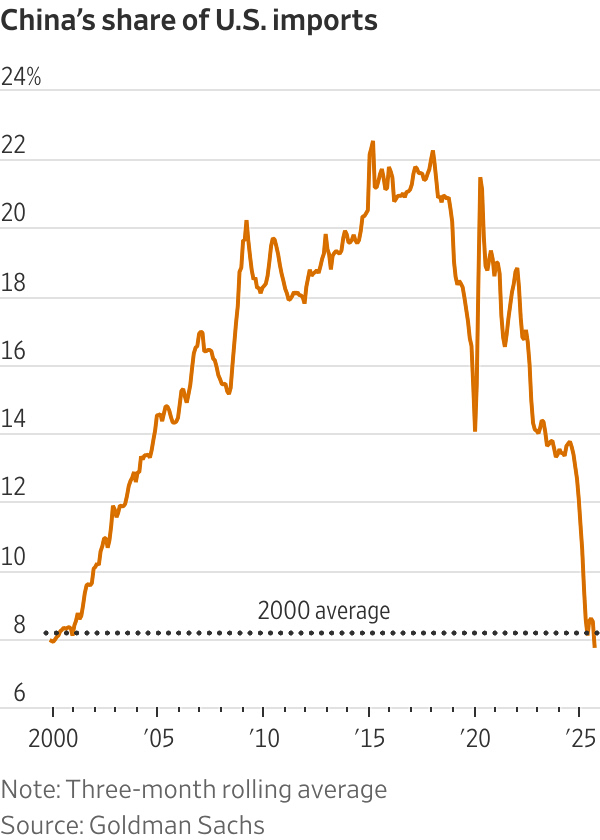
China’s share of U.S. imports dropped to roughly 7.5% by late 2025, according to Goldman Sachs, erasing over two decades of growth following China’s 2001 entry into the World Trade Organization.
China, to compensate, has flooded the rest of the world with cheap goods. It is also routing components to be assembled into products bound for the U.S. through other countries to get around tariffs. China’s annual trade surplus rose to a record $1.2 trillion last year.
Overall, trade between the U.S. and China has plummeted to 2010 levels, according to Moody’s Analytics chief economist Mark Zandi , and investment and tourism are also down sharply in both directions. The two superpowers, Zandi said, are now “running away from each other as much as possible.”
Reshoring
The effects of the disentanglement are just starting to take hold.
Some businesses have moved production from China to the U.S. to avoid tariffs, but the flow is still modest. Mexico and Southeast Asian nations are more common destinations for manufacturers leaving China.
About 9% of Ohio manufacturers in a recent survey said they had reshored some production to the U.S. in 2025, up from 4% in 2021. About 60% of the reshoring in 2025 relocated from China, according to the Manufacturing Advocacy and Growth Network, a nonprofit that conducted the survey.
Ramirez, the Husco CEO, said the company has had some success reshoring production of an electric coil made of copper wire coated with plastic. It found a factory in Michigan and taught workers how to make the part, Ramirez said.
Husco, which supplies Caterpillar, John Deere and big automakers, is resigned to paying the tariffs for other components its U.S. factories need because reshoring them isn’t really possible, Ramirez said. Cast-metal components that require a lot of labor in uncomfortably hot and dusty conditions are one example.
Money and geopolitics are forcing him to keep trying.
“There’s economic pressure to avoid the uncertainty of tariffs in the future by sourcing as much as possible in the U.S.,” he said. Husco owns a large factory in China that makes products for the Chinese market and some non-U.S. destinations, he added.
Tracie Roberts, chief executive of Montville Plastics & Rubber in Parkman, Ohio, said automation and AI are helping her company better compete with China’s lower labor costs. The tariffs on Chinese imports have given Montville another boost, Roberts said, helping it win new business from companies that hire Montville to make plastic items ultimately sold in big-box stores. Montville’s business from such customers has increased roughly 20% since the tariffs, she said.
Plastic products can be made competitively in the U.S. without much problem, Roberts said. Goods that include electronics or many intricate components are more challenging to reshore. And many U.S. manufacturers need help with the cost of adding robots and other automated equipment, she added.
‘Underlying dependence’
Beijing has found ways around U.S. tariffs. “A lot of the goods that we were previously importing from China became parts that are exported to Southeast Asia for final assembly,” said Brad Setser, a senior fellow at the Council on Foreign Relations. “The underlying dependence is the same.”
To stop such transshipments, Washington negotiated deals with countries including Vietnam and Thailand, offering them exemptions from high-penalty tariffs on their goods if they reduce the level of Chinese content in the products they assemble.
Washington’s drive for economic independence has limits.
In early 2025, the Trump administration raised tariffs on Chinese goods to sky-high levels, only to negotiate a tactical truce after a swift and aggressive response from Beijing. The president is now focused on ensuring this trade truce holds as he prepares for a high-stakes trip to Beijing in April.
Beyond tariffs, administration officials said the U.S. is preparing a domestic counteroffensive that, through deregulation and new government equity stakes in sectors like semiconductors and critical minerals, will help America eventually gain independence from China in important sectors.
China’s position today is a major pivot from Trump’s first term, when Beijing pushed back against the idea that it was a strategic economic competitor, former and current American diplomats said.
“Beijing believes it is better positioned than during the last Trump administration to compete as near peers and stand on its own feet,” said Beran, one of the former diplomats.
This shift was made clear in a November article by Vice Premier He Lifeng, Xi’s economic czar. He said developing China’s next generation of proprietary, high-tech industry for the next five years is an “inherent requirement for…securing the strategic initiative in the great-power competition.”
Beijing now calls for “decisive breakthroughs” in six key sectors in the next five years: semiconductors, software, high-end machines, medical equipment, advanced materials and biomanufacturing.
Already, the trillion-dollar push toward self-sufficiency shows that Beijing is effectively attempting to out-invest the West to shore up vulnerabilities.
Spending on semiconductors has ballooned, with $47.5 billion raised in 2024, largely channeled through the China Integrated Circuit Industry Investment Fund, dubbed the Big Fund.
Earlier phases of the Big Fund focused on building chip factories. Now it is transitioning to bankrolling the specialized equipment that remains a foreign chokepoint. In late 2024, the fund channeled roughly $63 million into Piotech Jianke, a subsidiary of the Shenyang-based toolmaker Piotech.
Piotech is experimenting with a workaround for a Chinese weakness in chipmaking. Because the U.S. prevents China from acquiring the most advanced lithography machines needed to shrink chips horizontally, Beijing is betting on Piotech’s “vertical stacking” method, which allows different types of chips—like memory and processors—to be layered on top of each other to increase power and efficiency without needing the smallest, most restricted transistors.
Piotech and the National Development and Reform Commission, which handles inquiries for the Big Fund, didn’t respond to requests for comment.
China is spending more on clean energy than any other country, with total investment reaching an estimated $940 billion in 2024, according to Carbon Brief, a British organization that tracks energy and climate issues.
To reduce dependence on imported energy from the U.S. and others, China is planning dozens of nuclear reactors along the coast. Vast hydropower and solar projects are under way in the interior. The urgency has only intensified after the U.S. in January captured Venezuelan leader Nicolás Maduro and threatened a 25% tariff on any country conducting business with Iran—twin shocks that could jeopardize over 1.8 million barrels of China’s daily oil imports.
Farming windfall
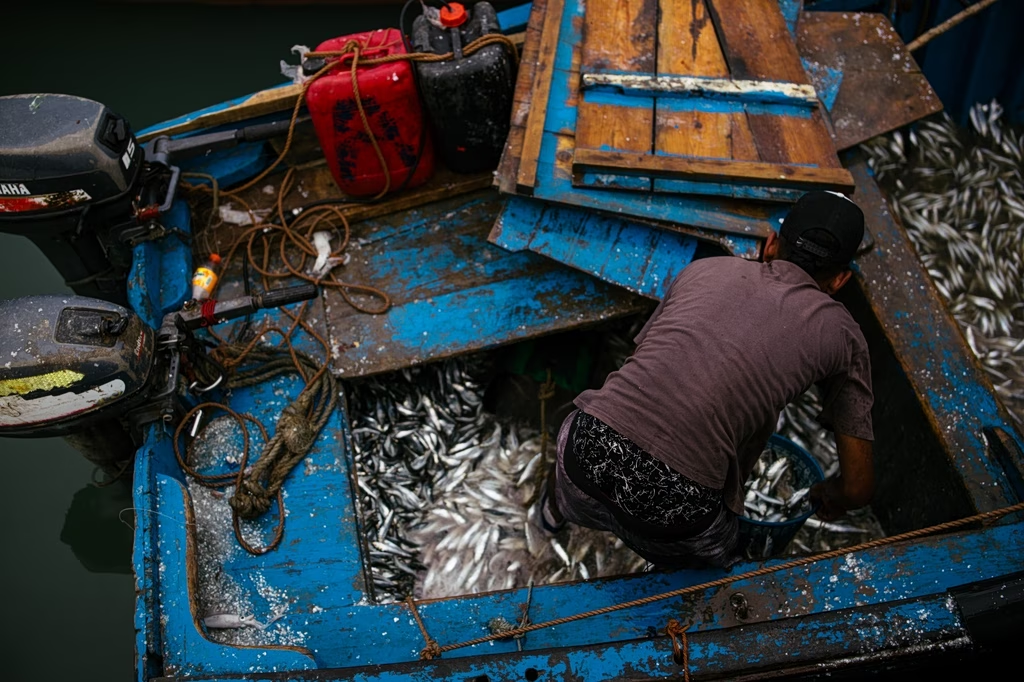
Perhaps the ultimate geopolitical chip in modern trade is soybeans. Although China is self-sufficient in staples like rice and wheat, its massive pork industry remains dependent on foreign soybeans for over 80% of its feed. If trade routes are blocked, the price of pork—the primary protein for 1.4 billion people—skyrockets, risking domestic instability.
Beijing has shifted some of its soybean purchases from the U.S. to Brazil and Argentina in recent years. Now, it’s increasingly incentivizing production at home, even as it maintains a 25 million-ton annual U.S. purchase commitment as a tactical anchor for the current trade truce.
In the northeastern province of Heilongjiang, where corn has long been the most common crop, the government offered soybean producers subsidies of roughly $739 per hectare—nearly 17 times the amount offered for corn. For local growers, this windfall overrides the market logic that would otherwise favor cheaper imports from the U.S. or Brazil.
Researchers at the Chinese Academy of Sciences are also working to accelerate the breeding of a high-yield line of soybean seeds. Their goal is to close the “yield gap”—the efficiency lead historically held by American farms—by developing seeds that maximize oil content and resist local pests.
Across sectors, China is encouraging its companies to invest abroad, specifically in Africa and Southeast Asia, to diversify supply chains and bypass U.S. tariffs.
The idea, said people close to Beijing, is that separation from the U.S. is acceptable as long as China remains firmly connected to the rest of the world.
Write to Lingling Wei at Lingling.Wei@wsj.com and Jeanne Whalen at Jeanne.Whalen@wsj.com