 Μake us preferred on Google
 President Trump said he has canceled planned strikes on Iran after Tehran’s leadership and other parties negotiating a deal to end the conflict approved “discussions and final points.”
The ongoing discussions “have been brought to the highest level of Iranian leadership and approved,” Trump wrote in a Thursday afternoon post on Truth Social, hours after threatening to strike Iran “VERY HARD.”
“Discussions and final points have been, in both concept and great detail, approved by all parties involved,” Trump said.
The U.S. naval blockade of Iranian ports will remain in effect until the “transaction” is finalized, Trump said, noting that “time and place of the signing” would soon be announced.
Trump’s announcement is the latest back and forth in a tumultuous three months of conflict, which began Feb. 28 when the U.S. and Israel launched strikes against Iran. The two sides announced a fragile ceasefire in early April, but have traded fire on multiple occasions since the truce began.
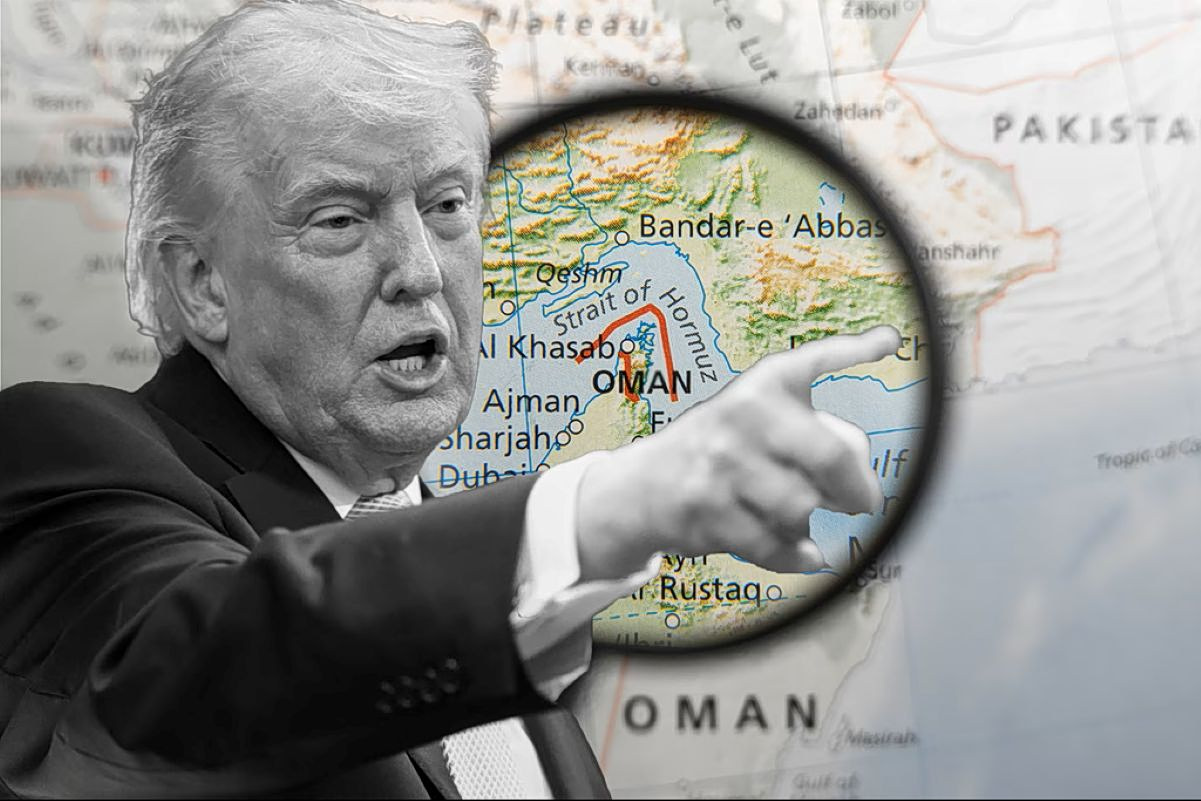
U.S. military forces have carried out multiple waves of airstrikes in the past few days after an Iranian drone downed a U.S. Apache helicopter near the Strait of Hormuz on Monday, targeting air defenses, ground-control stations and radar sites near the strategic waterway. But the U.S. has avoided hitting Iran’s infrastructure in recent days, U.S. officials said.
Trump had earlier threatened to strike Iran “VERY HARD” Thursday night and take “total control” of the country’s oil-and-gas industry, suggesting that he was abandoning the diplomatic route and was aiming to force Tehran into a nuclear deal it has resisted for months. Trump said in a Truth Social post that the U.S. would, “in the not too distant future,” seize Kharg Island, Iran’s main oil export hub off the country’s southern coast. The U.S. would then “assume total control” of Iran’s oil and gas markets, he said, comparing the move to U.S. involvement in Venezuela, which he said “is working out brilliantly for both Venezuela and the United States of America.”
Trump had also told Fox News in an interview Thursday morning that the U.S. could make a fortune by taking Kharg Island and controlling Iranian oil sales as it has with Venezuela’s, but that Americans probably don’t have the appetite for such a military operation and would rather see U.S. soldiers brought home.
Trump’s earlier threat came after a fresh wave of U.S. strikes against Iran on targets near the Strait of Hormuz, following weeks of impasse in negotiations to end the war. Iran said it struck back by targeting U.S. military facilities in Bahrain, Kuwait and Jordan, raising the risk that the tenuous ceasefire would spiral into a full-fledged military conflict again.
Seizing Kharg Island, which handles roughly 90% of Iran’s oil exports, would have been a complex and dangerous operation, and would likely have required ground troops in a significant escalation of the conflict. Thousands of Marines in the U.S. Central Command right are now aboard four Marine warships from the 31st and the 11th Marine Expeditionary Units, according to U.S. officials.
Trump has relied almost exclusively on airstrikes during the Iran war, except for putting troops inside Iran to rescue a downed pilot. A Kharg operation would likely have been the riskiest of the war, which has now lasted more than three months.
The U.S. first bombed Kharg Island in March, hitting military targets surrounding the island’s oil infrastructure. Trump at the time said he chose not to “wipe out” the island’s energy terminals but said he would reconsider that threat if Iran kept the Strait of Hormuz closed. In the ensuing months, Iran has maintained a sweeping blockade of most energy shipments out of the strait, roiling global energy markets and ratcheting up pressure on Trump.
The U.S. countered with a naval blockade on Iranian oil shipments to choke off the Iranian government’s main source of revenue. At the same time, it has quietly continued guiding some commercial vessels through the Strait of Hormuz, using jet fighters and helicopters to defend ships against Iranian missiles and drones, U.S. officials said this week.