 Μake us preferred on Google
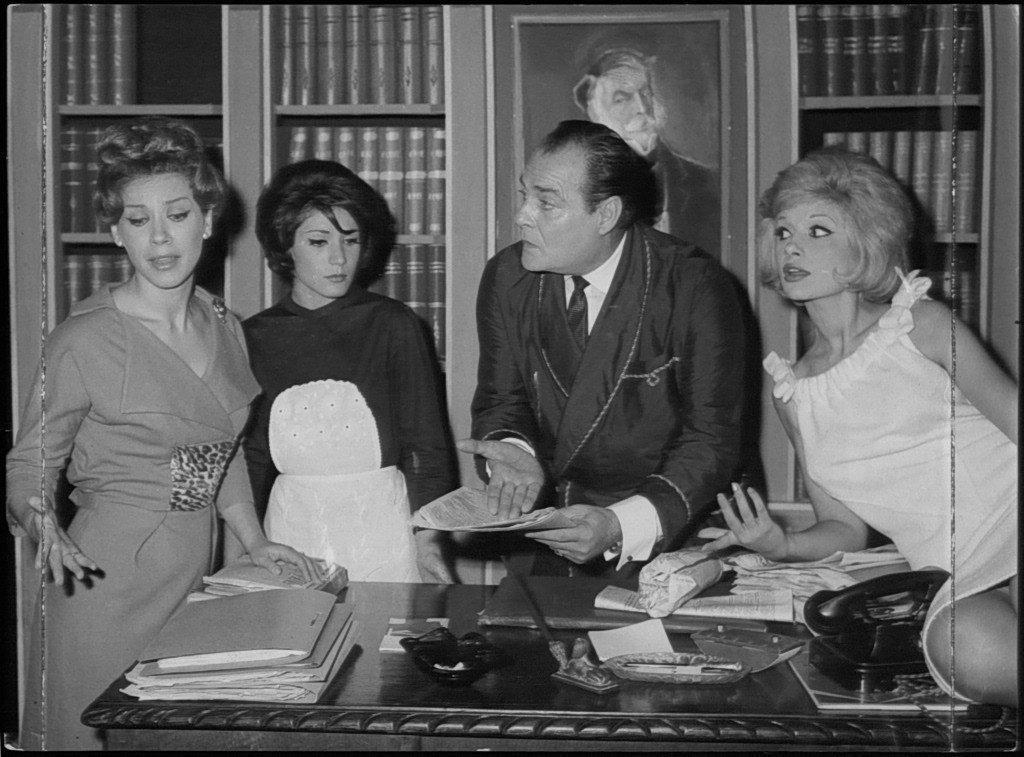
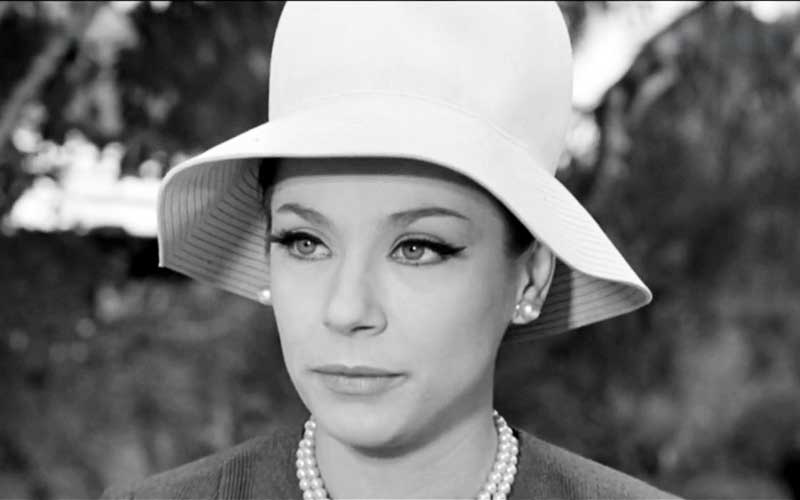
 Greek actress Melpo Zarokosta, a prominent figure of Greece’s post-war cinema and theatre scene, has died at the age of 92 after a long period of serious health problems, her family said.
Born in Piraeus in 1933, Zarokosta was the daughter of Elias Zarokostas, one of Greece’s first actuaries, and Despina Spyropoulou. Her life took an early turn toward migration after World War II. At around 14 years old, she moved first to Alexandria, Egypt, and later to Sydney, Australia, where she would spend more than a decade and lay the foundations of her artistic career.
Despite her father’s objections, she pursued theatre studies at Sydney’s Metropolitan Theatre and trained in radio and media at the Canandale School, studying acting, directing and scriptwriting. She remained in Australia for 11 years, working in theatre and television and gaining recognition for demanding stage roles.
In New South Wales, she performed leading classical parts, including Jean Anouilh’s Antigone and Hecuba, which she presented in Greek for the local Greek community—an important contribution to diaspora cultural life.
In 1957, she married pianist Andreas Diamantidis, and the couple moved to London, where they lived for a year. Upon her return to Athens, her career gained momentum through her collaboration with the theatre company of Lambros Konstantaras.
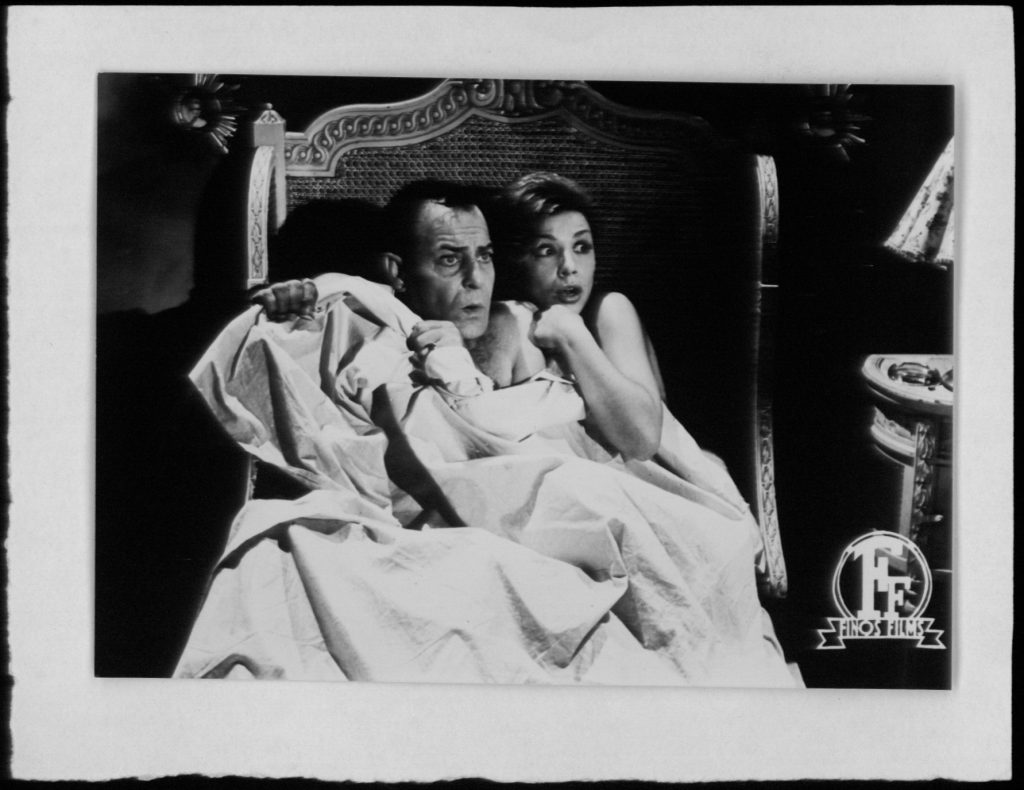
Her breakthrough in Greek cinema came with her role in the classic 1959 film To xylo vγήke ap’ ton paradeiso (The Slap Came from Paradise), alongside Aliki Vougiouklaki and Dimitris Papamichael. The success of the film proved decisive, prompting her to remain in Greece rather than return to London.
In a past interview with Greece’s public broadcaster ERT, Zarokosta singled out the 1966 film All Men Are the Same as her finest cinematic performance.
A multi-talented artist, Zarokosta worked extensively in radio, directed and wrote several theatre plays—many of which received awards—and translated and adapted numerous books. She also wrote television scripts, screenplays, and song lyrics. Her song O Paliasos (“The Clown”), set to music by Notis Mavroudis, won first prize at the Lisbon Festival in 1991.
In Athens, she later married actor and director Victor Pagoulatos. The couple had one son, Alexandros.
Zarokosta spent the final years of her life in a nursing home, away from the public spotlight. Yet her career remains closely associated with a formative era of Greek cinema, theatre and diaspora cultural production.
In one of her last interviews, she spoke candidly about life away from the stage. “I miss the applause very much,” she said, adding that she could not help but remain smiling. Responding modestly to comments about her legacy, she remarked: “It’s a bit excessive to say I left behind a great legacy. I just did what I could.”