 Μake us preferred on Google
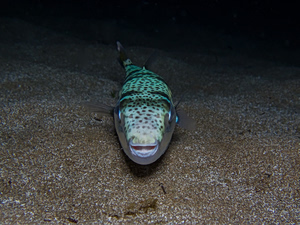
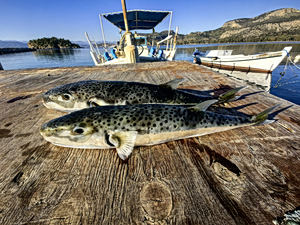
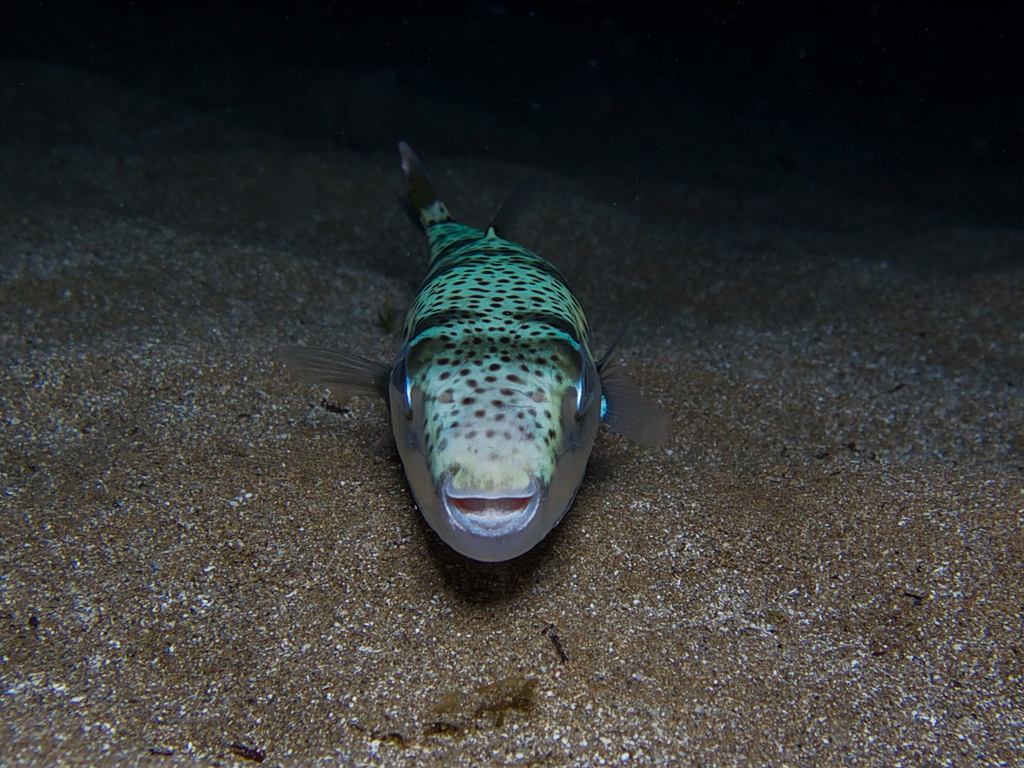
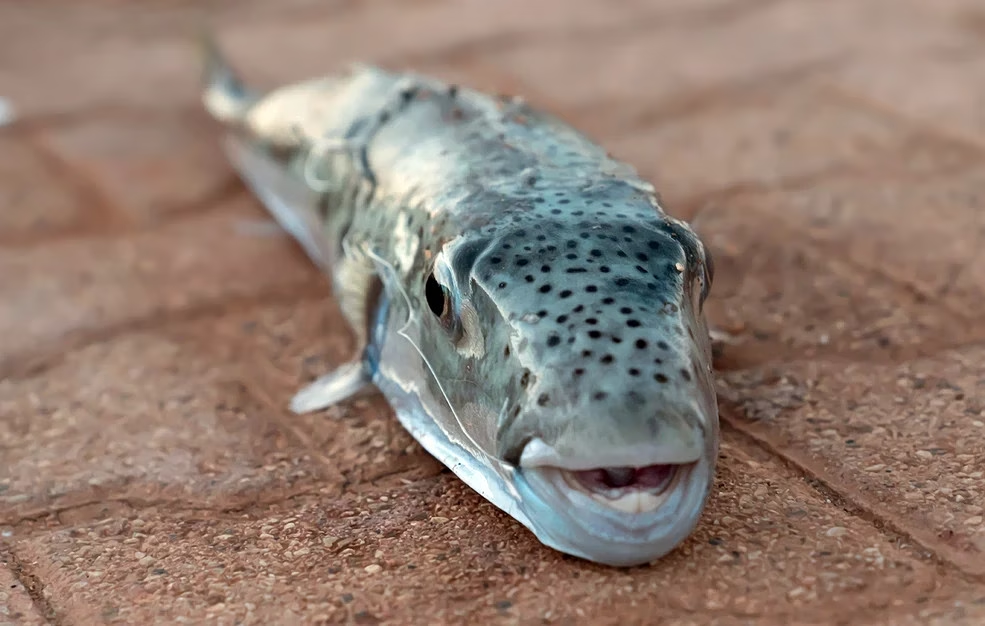
 A woman was bitten on the neck by a pufferfish while swimming at a beach in the Greek city of Patras, prompting medical treatment and renewed warnings about the invasive species.
The incident occurred on Sunday, when the swimmer reported being attacked by a pufferfish, a species known in Greece as lagokefalos. With the help of other beachgoers, she immediately washed her wounds with soap before being taken to a local health center.
Medical staff followed standard treatment protocols, administering a tetanus shot and antibiotics while thoroughly cleaning the wounds. The woman was later discharged and is reported to be in good health.
What to do if bitten by a pufferfish
According to the Health Department of the Hellenic Red Cross, the pufferfish contains a powerful neurotoxin called tetrodotoxin, making it extremely dangerous to eat. Because the toxin is distributed throughout the fish’s body, no part of it is considered safe for consumption.
However, the organization notes that the fish’s bite itself is not poisonous. The danger comes from its exceptionally strong, beak-like jaws, which can inflict deep wounds and severe bleeding.
The Hellenic Red Cross recommends the following first aid measures:
- Wash the wound immediately with plenty of clean running water and soap. Do not apply antiseptics unless instructed by a doctor.
- Apply firm pressure with clean gauze or a clean cloth to stop the bleeding. If bleeding is severe, maintain continuous pressure and, if possible, keep the injured area elevated.
- Seek medical attention without delay, as the injury may require specialized treatment, a tetanus booster, antibiotics, or stitches if the wound is deep.
- If the incident occurs in a remote area or the bleeding is heavy, call emergency services immediately while providing first aid until medical assistance arrives.