 Μake us preferred on Google
 As Greece launches a government-funded bounty to encourage fishermen to catch the invasive silver-cheeked toadfish, the measure has been widely welcomed as overdue support for struggling coastal fisheries. But marine scientists warn that while culling the pufferfish may help reduce the economic burden on fishers, it is unlikely to solve the ecological problem driving the species’ rapid expansion.
The real challenge, they argue, is not simply the pufferfish itself, but the deteriorating condition of the Mediterranean ecosystem.
An invader thriving in a changing sea
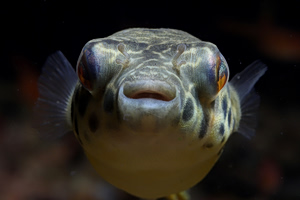
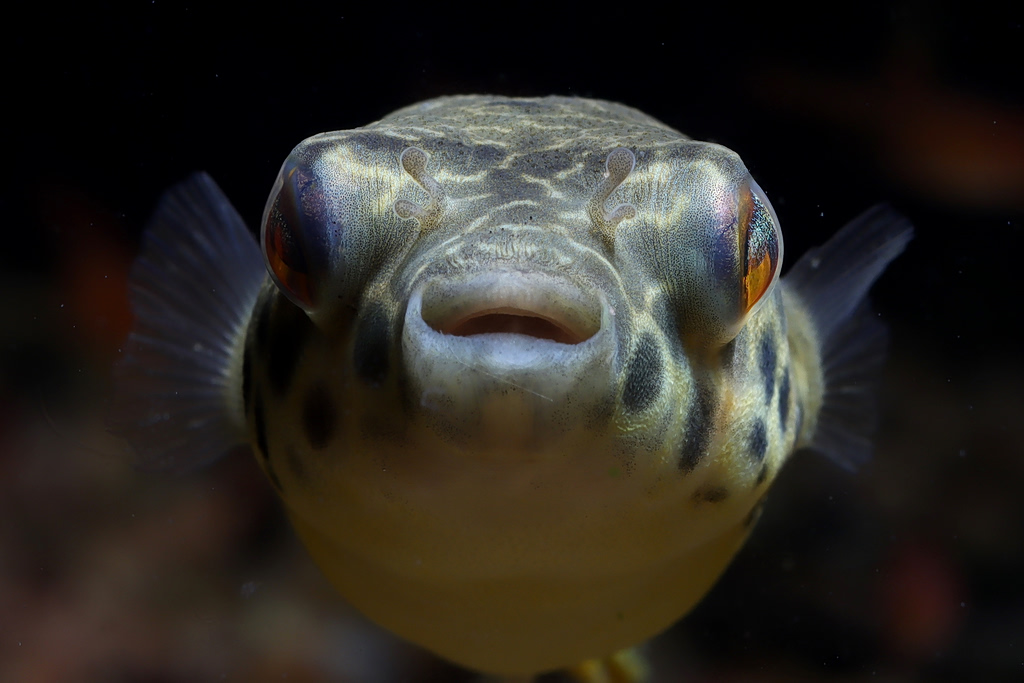
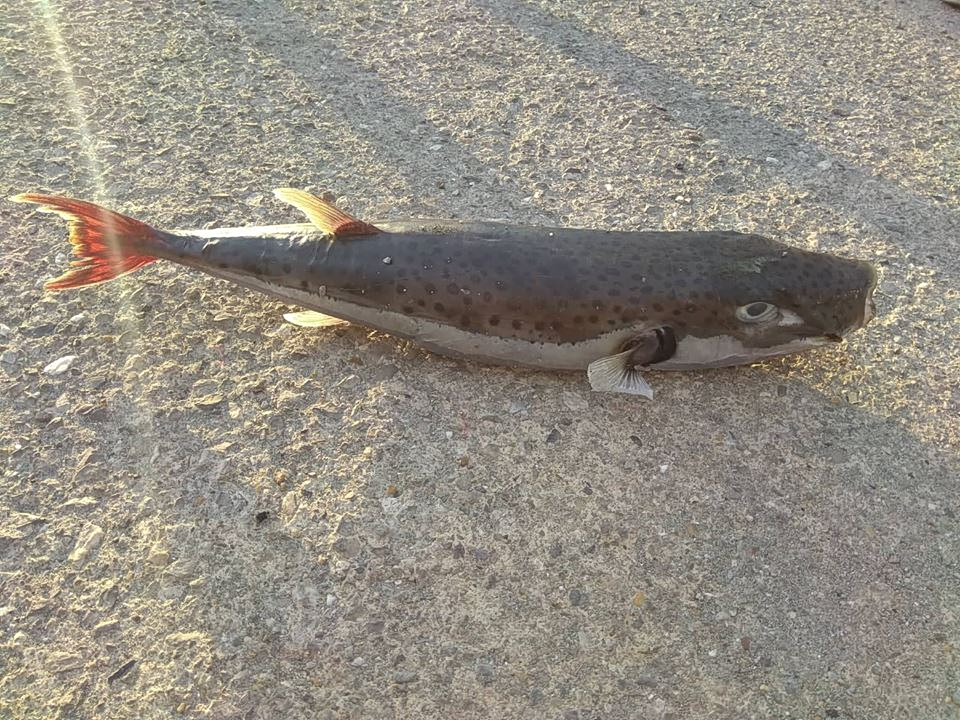
The silver-cheeked pufferfish (Lagocephalus sceleratus) is one of the Mediterranean’s most successful invasive species. Native to the Red Sea and Indo-Pacific, it entered the Mediterranean through the Suez Canal—a phenomenon known as Lessepsian migration—and has spread rapidly over the past two decades as sea temperatures have risen.
The species carries tetrodotoxin, a potent neurotoxin that can be fatal if consumed, making it illegal to market for food in the European Union. More immediately, however, fishermen say it has become an increasing economic threat, chewing through expensive fishing gear and consuming commercially valuable catch before fishermen can haul in their nets.
In response, the Greek government last week introduced a compensation scheme paying professional fishermen €5.33 per kilogram of pufferfish landed, following a similar program in Cyprus. The fish will be frozen and destroyed rather than entering the food chain.
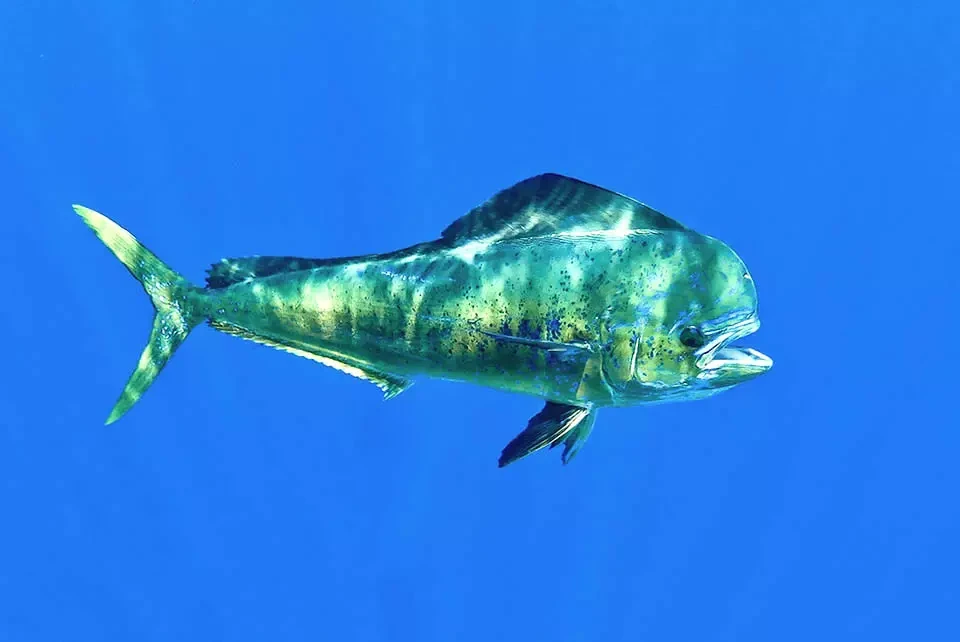
Dolphinfish, also known as Mahi Mahi, are a natural predator of pufferfish spawn, according to Archipelagos. Photo credit: Le Gallais
Panic is not the answer
The recent surge in viral videos showing the fish biting through cans and wood has fueled concern among swimmers. While isolated bite incidents have been recorded around the Mediterranean, public health experts and tourism authorities have urged against exaggerating the risk.
Authorities on Crete stressed this week that there is no imminent threat to bathers, noting that the species is primarily an offshore predator. The principal danger remains accidental consumption, not casual encounters in the sea.
Why removing fish isn’t enough
Marine conservationists say it is tempting to believe that simply catching more pufferfish will restore ecological balance. History suggests otherwise.
Cyprus introduced a bounty scheme in 2024 and has removed more than 100 tonnes of pufferfish. While the program has helped compensate fishermen, Cypriot authorities have never presented it as a strategy capable of eliminating the species. Instead, it is designed to mitigate economic losses.
The biology of the fish explains why.
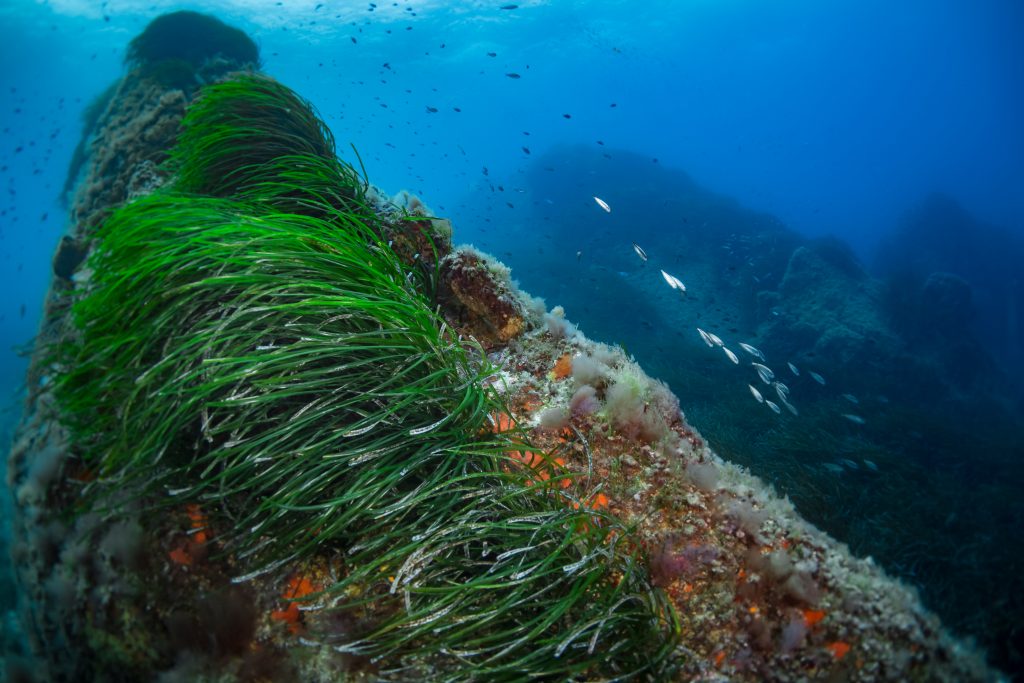
Female pufferfish produce enormous numbers of eggs, and the species matures quickly, allowing populations to rebound rapidly even when fishing pressure increases. Scientific reviews conclude that eradication in the Mediterranean is unrealistic.
The deeper ecological story
The current debate has prompted the Greek marine conservation NGO Archipelagos Institute of Marine Conservation to argue that public attention is focusing on the symptom rather than the disease.
According to the institute, decades of overfishing (particularly during spawning seasons) have weakened the Mediterranean’s natural resilience by reducing fish populations and disrupting ecological balance.
Part of that resilience comes from native predators. Studies have shown that juvenile silver-cheeked pufferfish are preyed upon by species including dolphinfish (Coryphaena hippurus) and garfish (Belone belone), helping keep populations in check during the fish’s most vulnerable life stage. As native fish populations decline, however, this natural form of biological control weakens.
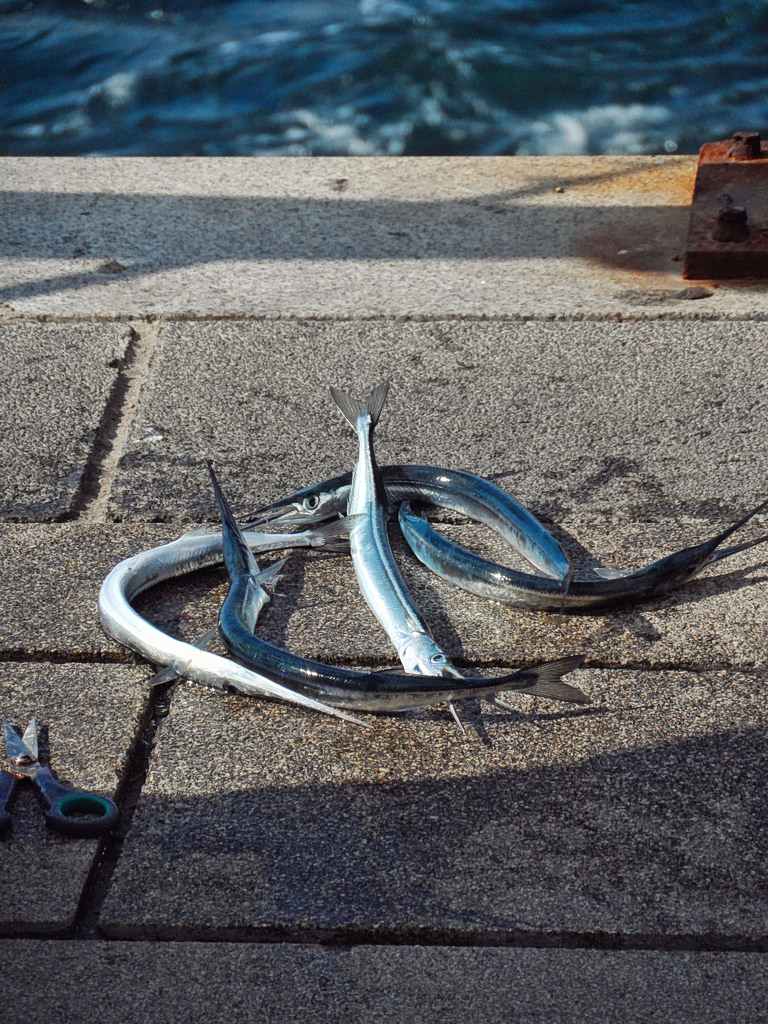
Archipelagos highlights that garfish eat pufferfish spawn.
Healthy marine ecosystems are generally more resistant to biological invasions because they maintain complex food webs and ecological interactions that help regulate species naturally. When biodiversity declines, invasive species often find opportunities to establish themselves and spread more rapidly.
None of this means overfishing is the sole cause of the pufferfish invasion. Rather, it reflects a broader scientific consensus that biological invasions are rarely driven by a single factor. Warming seas, habitat degradation, heavy fishing pressure and the loss of biodiversity all interact to create conditions in which opportunistic species such as the silver-cheeked pufferfish can flourish.
Protecting fish before catching them
Archipelagos argues that protecting fish during their reproductive season should become a cornerstone of fisheries management in Greece. The institute says it will submit proposed legislation to Greece’s Ministry of Rural Development aimed at strengthening protection of spawning stocks across Greek waters.
While the proposal reflects the organization’s own policy recommendations rather than government policy, fisheries scientists broadly agree that rebuilding fish populations is one of the most effective ways to restore ecosystem resilience over the long term.
That means looking beyond pufferfish removal alone. Stronger fisheries management, better enforcement against illegal fishing, protection of spawning grounds and continued adaptation to a warming Mediterranean will all be needed if Greece hopes to strengthen the ecological balance that once helped keep invasive species in check.

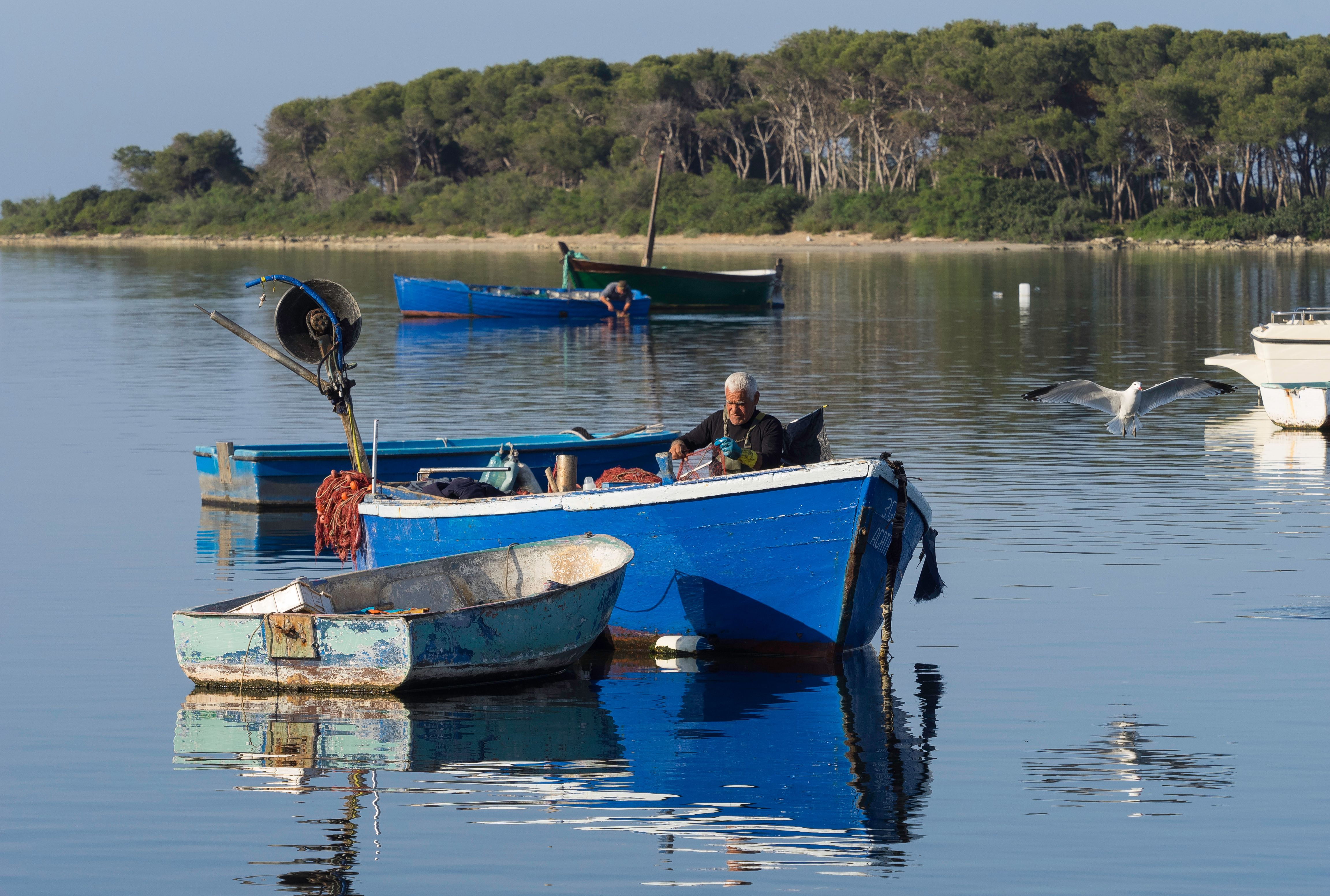
An image of fishermen and inspectors off the coast of Turkey. Credit: Burak Başgöze