 Μake us preferred on Google
 Greek authorities are considering offering financial incentives to fishermen to catch invasive silver-cheeked toadfish, known locally as lagokefalos (Lagocephalus sceleratus), in a bid to curb the rapid spread of the invasive species in Greek waters and limit its impact on marine ecosystems and coastal fishing.
Sources at the agriculture ministry confirmed that officials are examining a bounty-style scheme modeled on a program previously implemented by Cyprus, where fishermen received payments based on the weight of fish caught. Authorities are reportedly considering a higher compensation rate as part of a broader effort to address what they describe as an environmental, public health and economic challenge.
Officials acknowledge that similar measures in Cyprus did not eliminate the problem but believe they can help reduce populations of the invasive species, which has no natural predators in the Mediterranean.
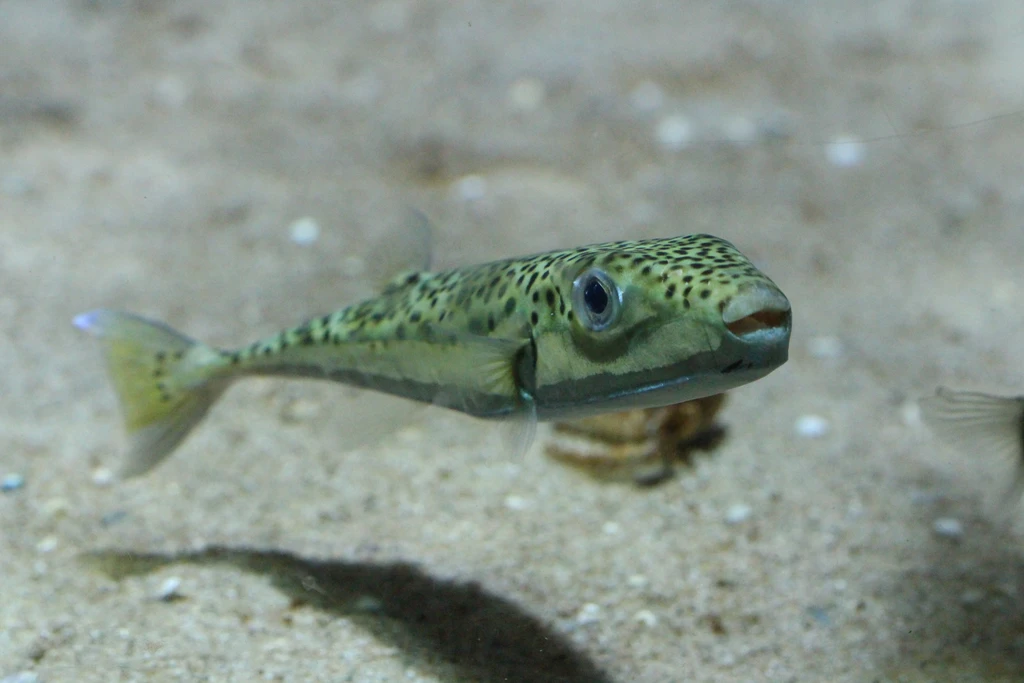
The ministry is studying a targeted removal program focused on breeding periods and known aggregation areas in an effort to suppress population growth and reduce damage to fishing gear and catches. Officials stress that the initiative would not constitute a complete solution but could become an important management tool.
The proposed measures come as authorities increasingly focus on the broader ecological impact of invasive marine species entering the eastern Mediterranean through the Suez Canal, a phenomenon that has accelerated in recent years amid rising sea temperatures. Scientists have warned that the highly toxic fish threatens native biodiversity while causing growing economic losses for professional fishermen across parts of the Aegean and eastern Mediterranean.
Officials say any long-term strategy will require scientific monitoring, catch reporting, mapping of breeding grounds and the use of digital tracking tools. Safe handling, transportation and disposal of the fish are also considered critical elements of the plan.
While the species contains a powerful toxin that makes it unsafe for human consumption, authorities note that it is generally not considered aggressive toward humans. No timetable has yet been set for the implementation of the proposed incentive scheme, which would also require coordination with the finance ministry before being approved.