 Μake us preferred on Google
 An unsightly but harmless variety of jellyfish has been spotted earlier than usual this year in certain Greek waters, with initial sightings already recorded along several beaches in eastern Attica prefecture, due east of Athens proper.
See the live map with reports of purple or other jellyfish and stingers here.
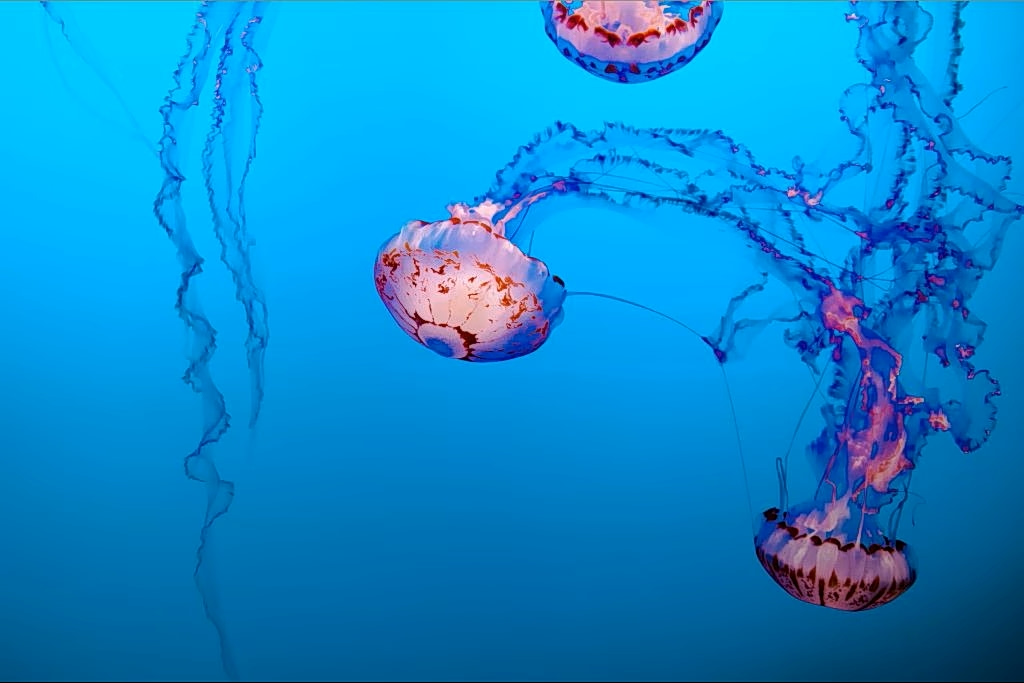
After first appearing off the coast of Oropos, the “purple jellyfish” have now been spotted to the south off Nea Makri, Zoumperi and the port town of Rafina. Reports cited sightings of Cotylorhiza tuberculata, known locally as the “fried egg” jellyfish, close to shore.
Images circulating online show large numbers of jellyfish near beaches, a phenomenon experts attribute to rising sea temperatures over recent days, which favor their early appearance. The species, which can reach up to 40 cm in diameter, is considered harmless to humans.
Further to the north, countless blooms of jellyfish, including the purple ones, have been spotted along a stretch of more than five seven kilometers from the Politika beach to Dafni beach, in northwest Evia (Euboea) island along the northern Evoikos Gulf, raising concerns among local residents and tourism business owners.
What Is the Purple Jellyfish?
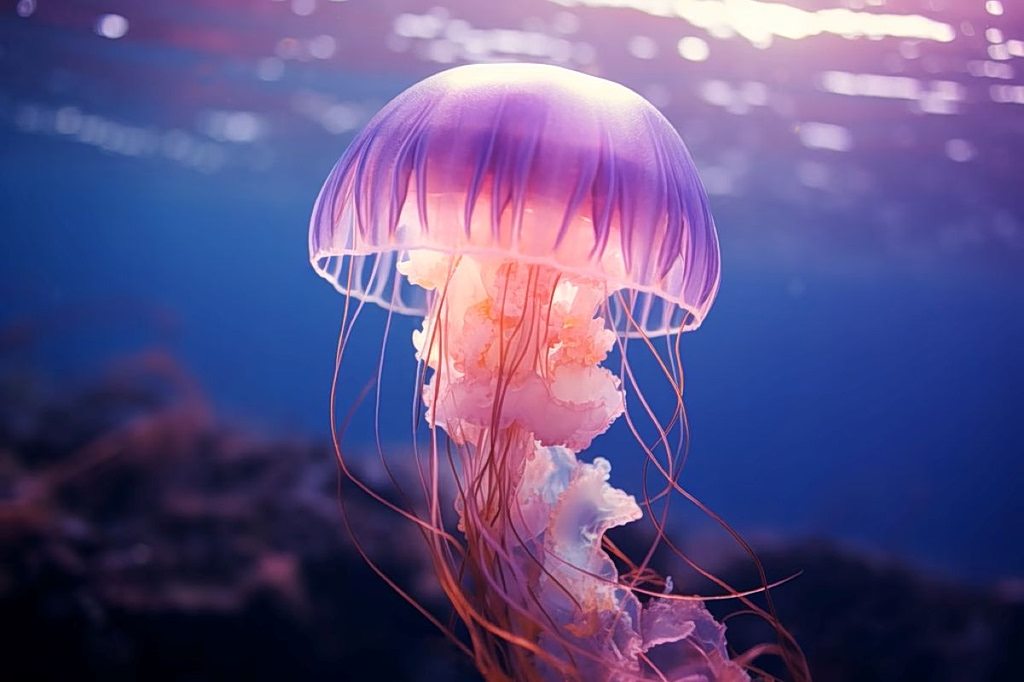
According to health authorities in Greece, the purple jellyfish (Pelagia noctiluca) is a bioluminescent species found in warm and temperate seas worldwide. Unlike the harmless Cotylorhiza, it is known for painful stings.
Contact can cause burning pain, redness, swelling, and in some cases more severe reactions such as nausea, low blood pressure, breathing difficulty, or neurological symptoms. While typically not life-threatening, medical attention is advised if systemic symptoms occur.
The recurrence of jellyfish swarms, frequently reported in recent years, has renewed concerns over environmental changes and their impact on marine ecosystems and coastal activity.