 Μake us preferred on Google
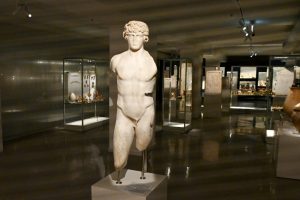
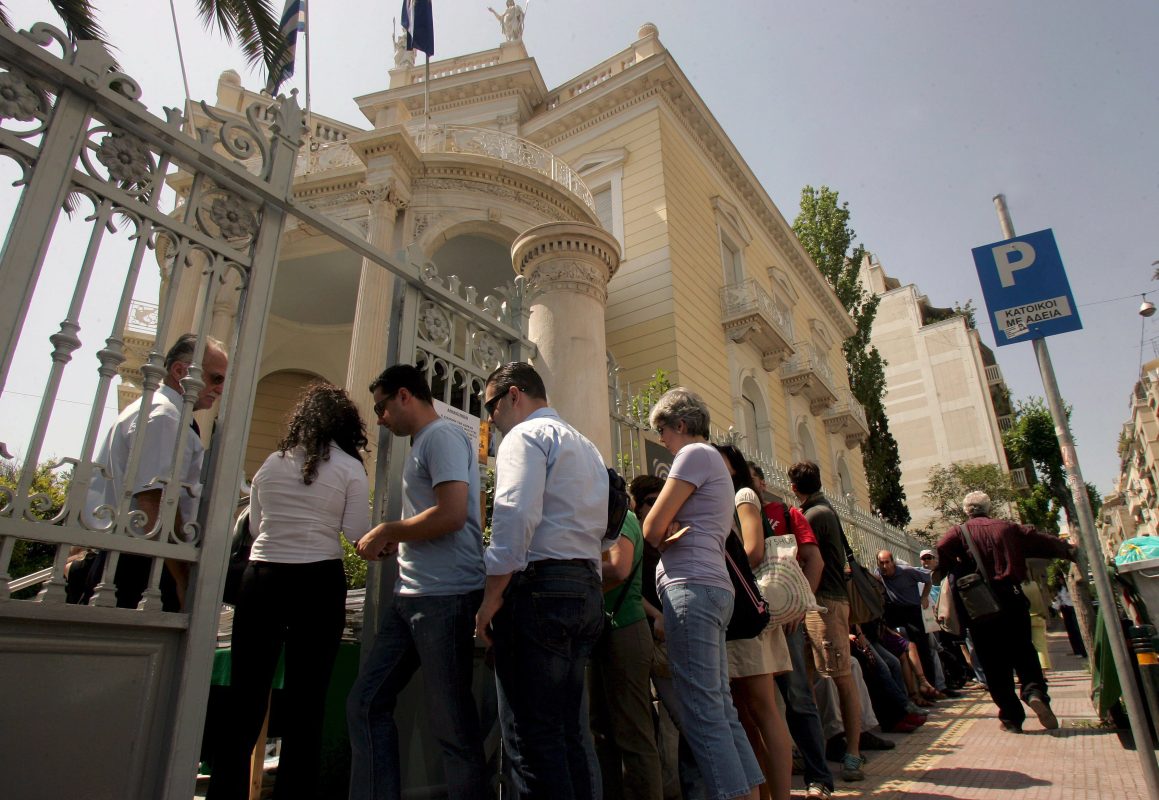
 The Benaki Museum has opened a major new exhibition titled “Irruption of Antiquity”, bringing together contemporary Polish artist Aleksandra Waliszewska and the museum’s historical collections in a display spanning across two floors.
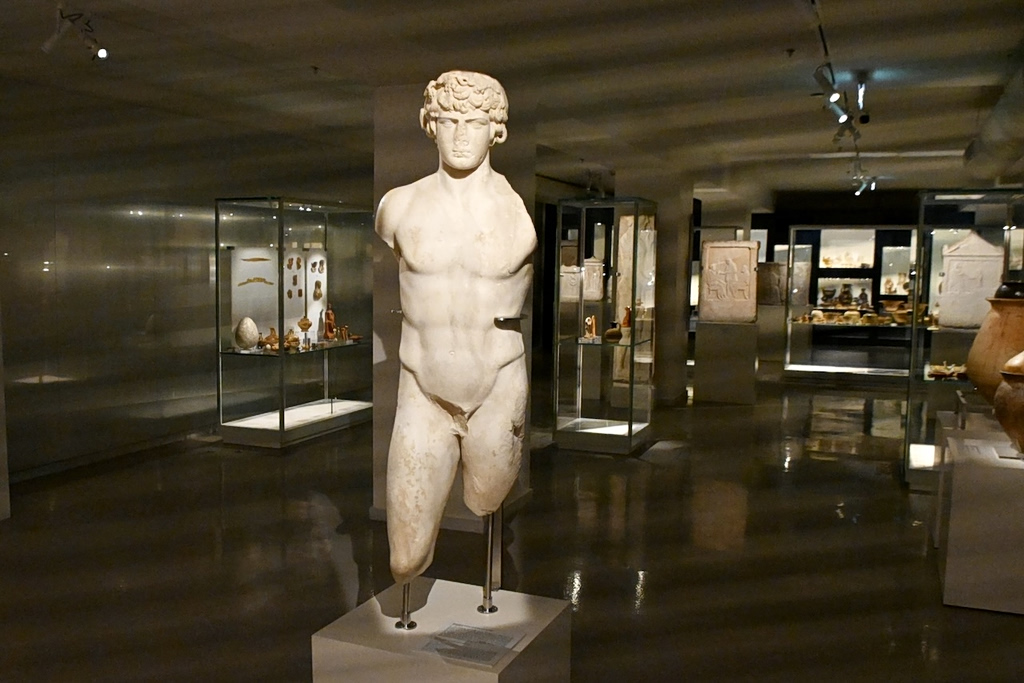
Curated by Alison Gingeras, the exhibition features fifteen of Waliszewska’s psychologically charged paintings placed in direct dialogue with artefacts spanning Neolithic Greece, Classical Antiquity, the Byzantine world, and the modern Greek period.
At the heart of the exhibition is a conceptual exploration of antiquity not as a static inheritance preserved in textbooks, but as an active and unsettling force that continues to shape the present. The curatorial approach positions ancient imagery as something that repeatedly surfaces within modern visual culture rather than remaining fixed in the past.
View this post on Instagram
Waliszewska’s works serve as the driving force of this interpretation. Her dark, compelling tableaux depict what the exhibition describes as moments of “irruption”—instances where ancient visual motifs forcefully enter contemporary consciousness. Within these paintings, figures drawn from ancient gods, myths and religious iconography appear not as distant relics, but as persistent and destabilizing presences that continue to re-emerge.
By placing these contemporary works alongside artefacts from multiple eras of Greek history, the exhibition constructs a layered visual dialogue. It highlights continuity and tension between past and present, suggesting that ancient narratives retain a psychological and cultural influence that remains active today.
“Irruption of Antiquity” is presented as a reflection on Greece’s enduring role as the birthplace of narrative art, while also examining how its symbolic language continues to resonate—and disrupt—modern perception. The exhibition will run until September 27, 2026.
View this post on Instagram