 Μake us preferred on Google
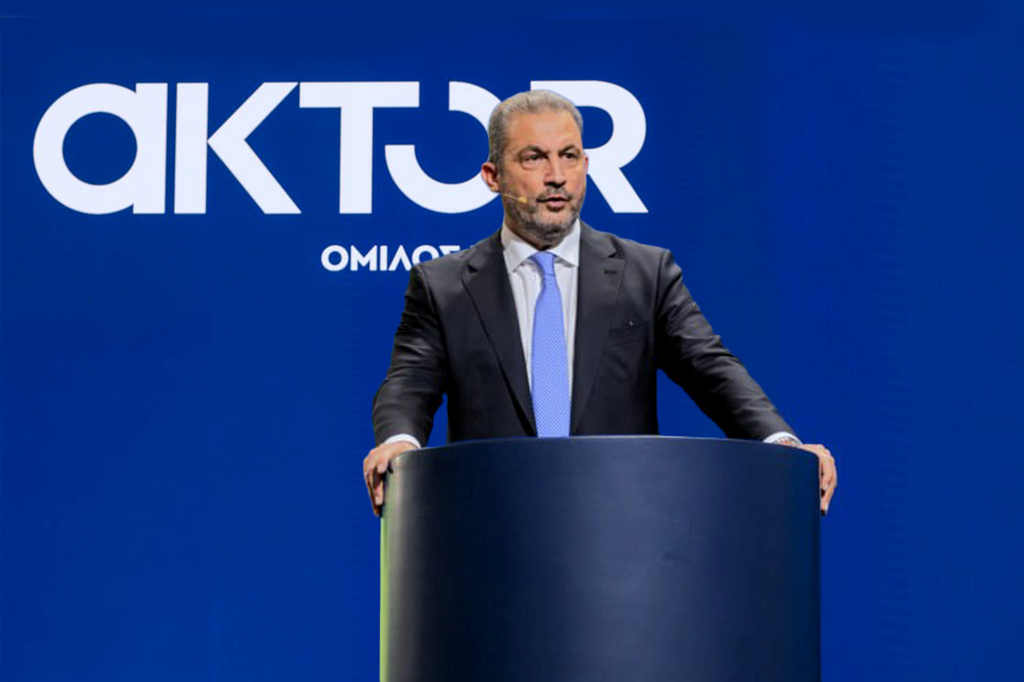
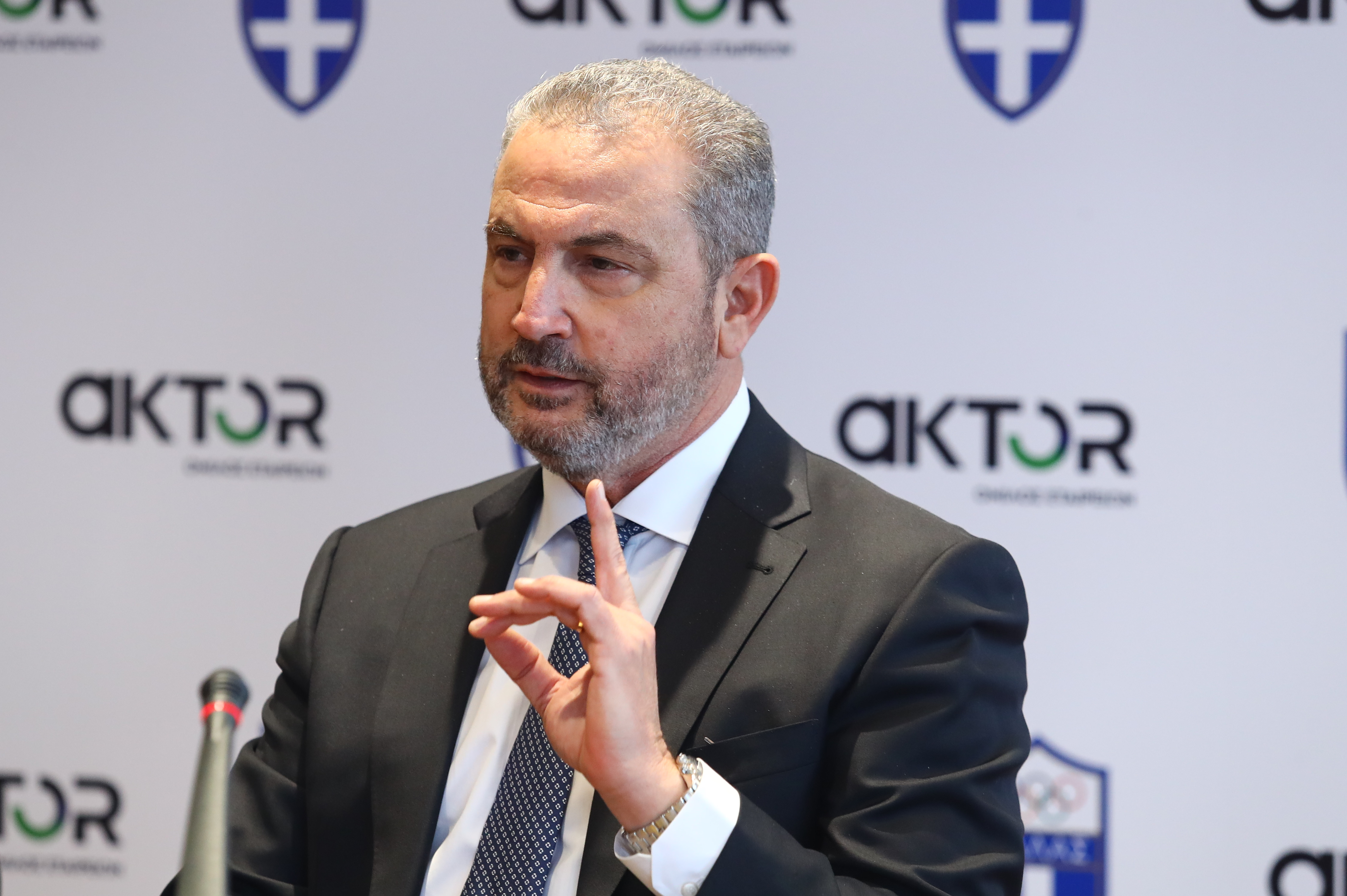
 Aktor Group shareholders approved a €650 million capital increase at a general meeting on July 15. Chairman and Chief Executive Alexandros Exarchou said he expected the offering to be oversubscribed.
Exarchou pointed to 80 investor meetings held during roadshows in London, Paris and New York, and declined to say how much the company would ultimately raise if the offering is oversubscribed. He estimated that Aktor’s market capitalization could reach €3.5 billion, from about €2.7 billion currently, a figure that has led brokerages to expect a raise of €700 million to €800 million. The company has not confirmed those numbers.
The offering closes on July 22, with a €300 million bond issue to follow the next day. “From Friday, July 23, you’ll see a different Aktor,” Exarchou said.
Terms of the offering
The increase will proceed with existing shareholders waiving their pre-emption rights, which would normally let them buy new shares before outsiders. Exarchou said the offering would open early next week, between July 20 and 22.
Shareholders holding up to 3% keep a preferential right to take part. Larger holders do not, and their allocation will depend on how far the offering is oversubscribed. Aktor’s core shareholders plan to subscribe for €350 million.
Goldman Sachs, UBS and Bank of America are underwriting the issue. Whether the company raises more than €650 million will be a decision for the board, based on demand, Exarchou said.
The push for large foreign institutions reflects the group’s aim to expand internationally and draw sustained investor interest.
Five-year guidance
Exarchou set out his ambitions for Aktor to become the strongest and financially healthiest company in Greece and southeastern Europe by 2030. Between 2022 and the completion of the capital increase, he said, €1.5 billion will have entered the group.
Over the medium term, Aktor is guiding for revenue of €2.3 billion to €2.8 billion and adjusted EBITDA of €375 million to €425 million, rising over the longer term to €4.5 billion to €5 billion in revenue and €600 million to €700 million in adjusted EBITDA. The projections rest primarily on secured cash flows, with little weight given to the construction division or to new project awards.
Investment plan
Management set out the plan at the general meeting. Of €3 billion in planned investment, €1.3 billion goes to public-private partnerships and concessions, €1 billion to renewables and the rest across the group’s other divisions. Project finance will cover part of it and the €650 million raise the balance, with the €300 million bond completing the capital base and reducing risk.
The strategy rests on four pillars: construction, concessions and PPPs, LNG and renewables. Exarchou said the aim is to strengthen construction at home and abroad while building revenue streams that do not depend on it but feed into it. Aktor wants to grow its order backlog, the value of contracted work not yet delivered, while cutting construction’s share of EBITDA in favor of renewables, LNG and concessions.
Motor Oil deals
Aktor is negotiating an agreement with Motor Oil for a 50% stake in a planned floating storage and regasification unit at Agioi Theodoroi, the refining hub west of Athens. Exarchou said it would add value to the LNG division by securing gas flows and improving profitability.
Separately, Aktor is negotiating to buy 75% of Helector and Thalis from Motor Oil, a deal that would bring in additional contracted work and expand the concessions and PPP division. Talks are going well and should be done by September, Exarchou said.
Renewables
The capital increase will accelerate the renewables program, Exarchou said. Aktor expects an operating portfolio of 550 megawatts in 2026, reaching 1 gigawatt in 2027 as it builds out wind farms, the focus of the program. The group is also negotiating to acquire two battery storage parks in Bulgaria.
The division is being built toward a vertically integrated platform that would include retail supply, and could be spun off and listed separately if needed.
Leverage
Exarchou said Aktor would keep net debt to EBITDA at or below 4, which he called the healthiest level among comparable European companies. Growth has to be financed with debt the company can service, he said, and that requirement is what produced the €650 million figure.
Source: OT.gr