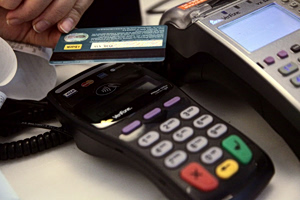
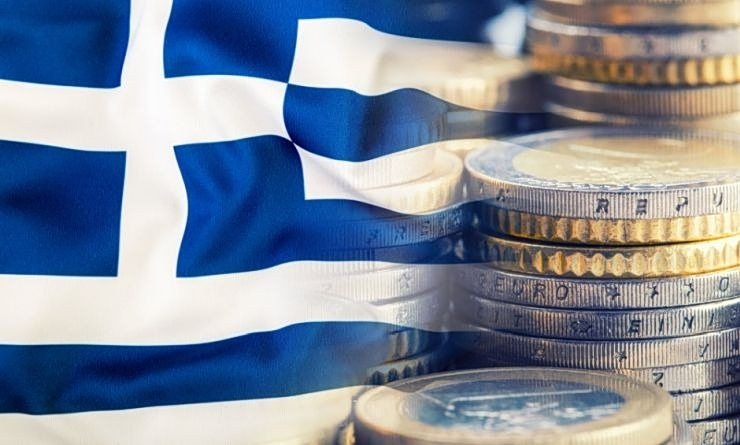
Despite the significant growth of e-payment of all types in Greece during 2025, growing by double-digit numbers, cash continues to make up a large chuck of daily transactions.
Figures for the past year now show that the biggest transactions are practically always digital, while cash is still used in small and repeated transactions.
Among others, more than 50% of transactions in Greece last year were still carried out in cash. However, when measured by value, e-payments come out ahead, accounting for almost 47% of total turnover, compared to around 42% for cash.
The situation still differs significantly from the Eurozone average. In countries such as the Netherlands and Finland, electronic payments account for more than 70% of transactions by number, while cash has been reduced to marginal uses. In southern Europe, and particularly in Greece, physical money remains the primary means of everyday consumption.
The difference is even more pronounced with small transactions. For purchases under 10 or 20 euros, cash remains the dominant means of payment. In simple terms, Greek consumers pay for “big item” purchases with electronic means, with “run-of-the-mill” purchases mostly conducted with cash.