 Μake us preferred on Google
 Oil markets were jolted on Monday as a widening wave of attacks across the Middle East forced key producers to suspend output, sending crude prices sharply higher and raising fresh concerns about the security of global energy supplies.
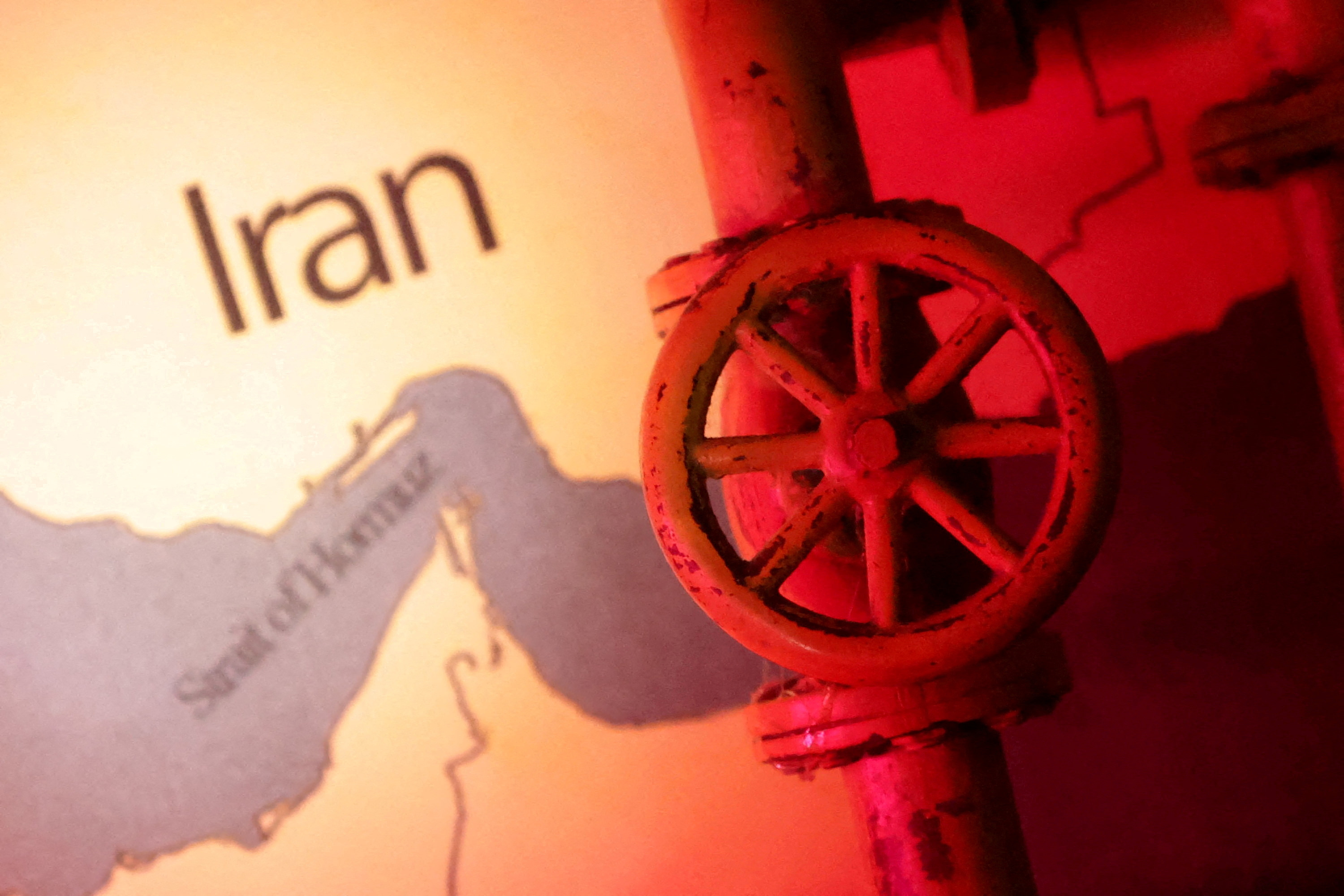
Brent crude surged 13% to above $82 a barrel — its highest level since January 2025 — as shipping traffic slowed to a near halt in the Strait of Hormuz, the narrow waterway through which roughly one-fifth of the world’s oil flows. Traders reacted to mounting disruption across a region that remains central to global oil and gas production.
The escalation, now in its third day, has triggered precautionary shutdowns stretching from the Gulf to the eastern Mediterranean, according to reporting by Reuters.
Qatar halted production of liquefied natural gas (LNG) on Monday after two Iranian drones struck an energy facility operated by QatarEnergy, according to the government. Authorities said damage was still being assessed. The move added to anxiety in global gas markets already sensitive to supply interruptions.
QatarEnergy to stop production of LNG
Due to military attacks on QatarEnergy’s operating facilities in Ras Laffan Industrial City and Mesaieed Industrial City in the State of Qatar, QatarEnergy has ceased production of liquefied natural gas (LNG) and associated products.…
— QatarEnergy (@qatarenergy) March 2, 2026
In Saudi Arabia, the kingdom shut its largest domestic refinery after a drone strike, according to a source cited by Reuters. The 550,000-barrel-per-day Ras Tanura refinery, operated by state oil giant Saudi Aramco, was closed as a precaution. The facility forms part of a major energy complex on the Gulf coast and serves as a critical export terminal for Saudi crude.
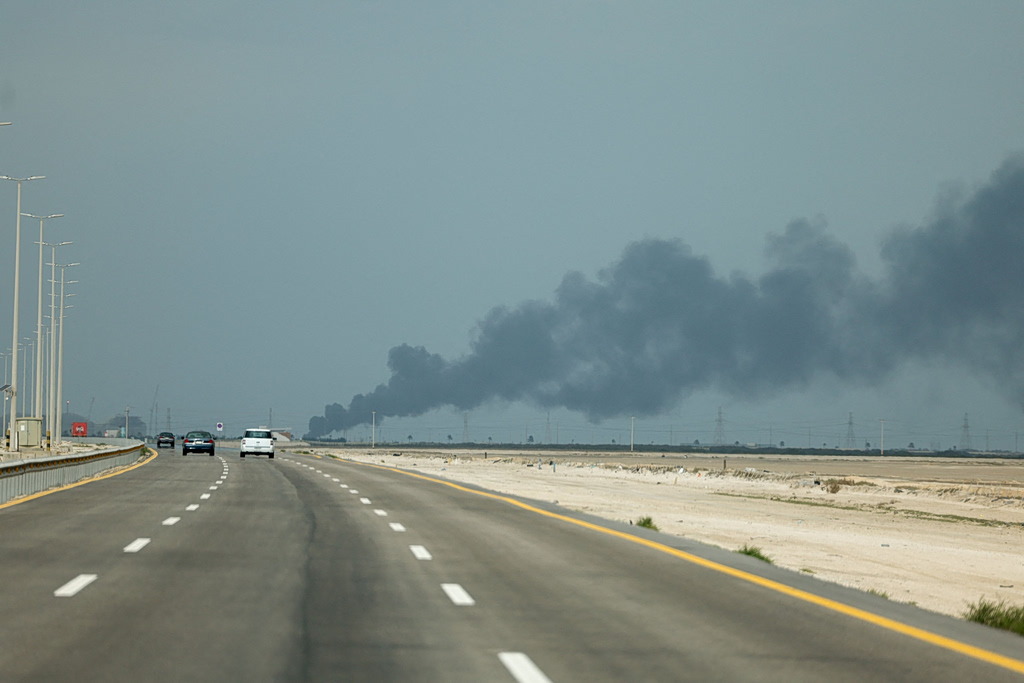
Smoke billows from Saudi Aramco’s Ras Tanura oil refinery after a reported Iranian drone strike, amid the U.S.-Israel conflict with Iran, in Ras Tanura, Saudi Arabia, March 2, 2026. REUTERS/Stringer
Further north, oil production in Iraqi Kurdistan was largely suspended as companies including DNO, Gulf Keystone Petroleum, Dana Gas and HKN Energy halted operations at their fields. The region exported about 200,000 barrels per day via pipeline to Turkey’s Ceyhan port in February. No damage has been reported, but output has been stopped as a precaution.
Offshore Israel, the government instructed Chevron to temporarily shut down the Leviathan gas field, which is in the process of expanding capacity to around 21 billion cubic meters a year under a $35 billion export agreement with Egypt. Chevron, which also operates the Tamar gas field, said its facilities were safe. Energean separately suspended operations at its production vessel serving smaller gas fields. The closures have curtailed exports to Egypt.
Meanwhile, explosions were heard over the weekend on Iran’s Kharg Island, which processes about 90% of the country’s crude exports. The impact on facilities there remains unclear.
Analysts have warned that a prolonged escalation between the United States, Israel and Iran could drive oil prices significantly higher. The Guardian reports that according to consultancy Wood Mackenzie, higher oil and gas prices are “certain,” and crude could potentially exceed $100 a barrel if tanker flows through the Strait of Hormuz are not quickly restored. The firm said tanker traffic has effectively been halted after Iran warned shipping away from the waterway and insurers withdrew coverage, sharply increasing the risk of supply disruption.
Iran, the third-largest producer in the Organization of the Petroleum Exporting Countries, accounts for about 4.5% of global oil supply. The country produces roughly 3.3 million barrels per day of crude, in addition to 1.3 million barrels per day of condensate and other liquids.
source: Reuters