 Μake us preferred on Google
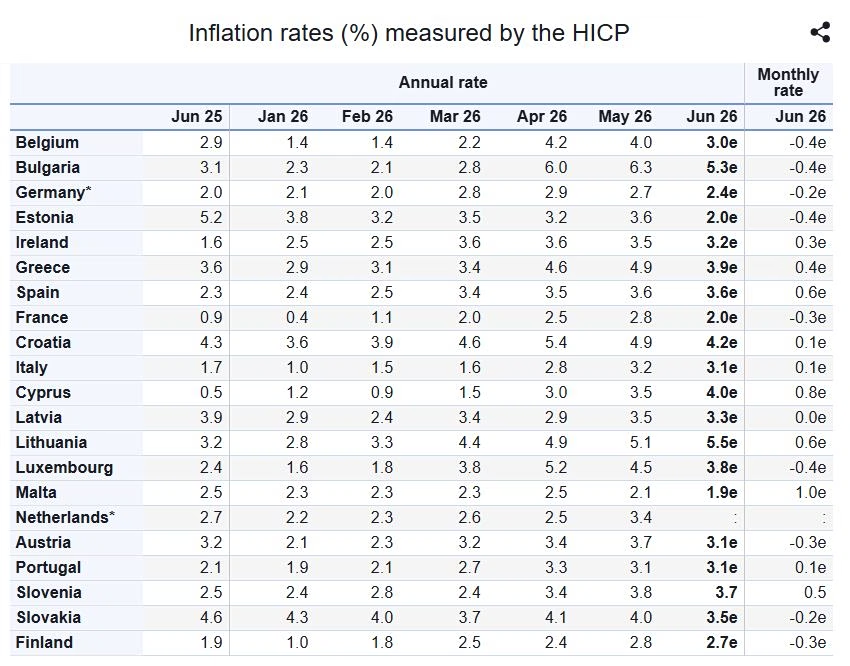
 The Greek inflation rate came in at 3.9% in June, down from 4.9% in May and up from 3.6% in June 2025, according to preliminary data from Eurostat.
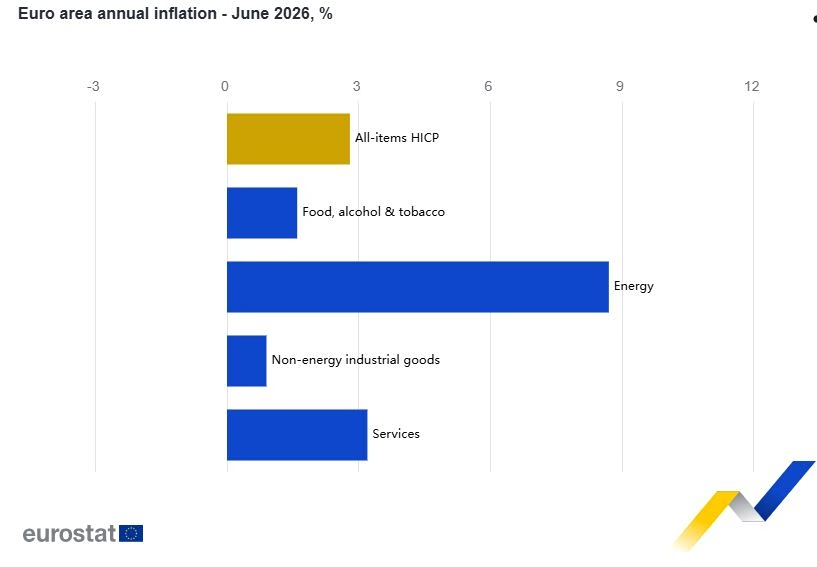
The eurozone as a whole is estimated to have settled at 2.8%, down from 3.2% in May.
Breaking down the main components of eurozone inflation, energy is expected to post the highest annual rate in June at 8.7%, down from 10.8% in May. Services follow at 3.2%, down from 3.5% in May, while food, alcohol and tobacco came in at 1.6%, down from 1.9% in May. Non energy industrial goods held steady at 0.9%, unchanged from May.
The slowdown in eurozone inflation offers an initial answer to European Central Bank officials, who have repeatedly stressed their commitment to bringing price growth under control.
In recent remarks, ECB President Christine Lagarde was quick to clarify that the bank’s latest rate hike was based on its own forecasts and was not a preemptive move to manage the risk of runaway inflation.
Speaking at the opening of the ECB’s central banking forum in Sintra, Portugal, Lagarde pushed back on the idea that the increase was simply about caution, according to the Wall Street Journal. She argued the rate hike was justified under every scenario the bank examined, and said nothing observed since has called that assessment into question.
Policymakers at the ECB’s annual symposium, from chief economist Philip Lane to Dutch central bank governor Olaf Sleijpen, held off on signaling another rate increase for now, but indicated they remain watchful on inflation.