 Μake us preferred on Google
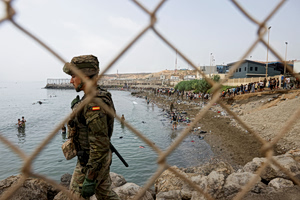
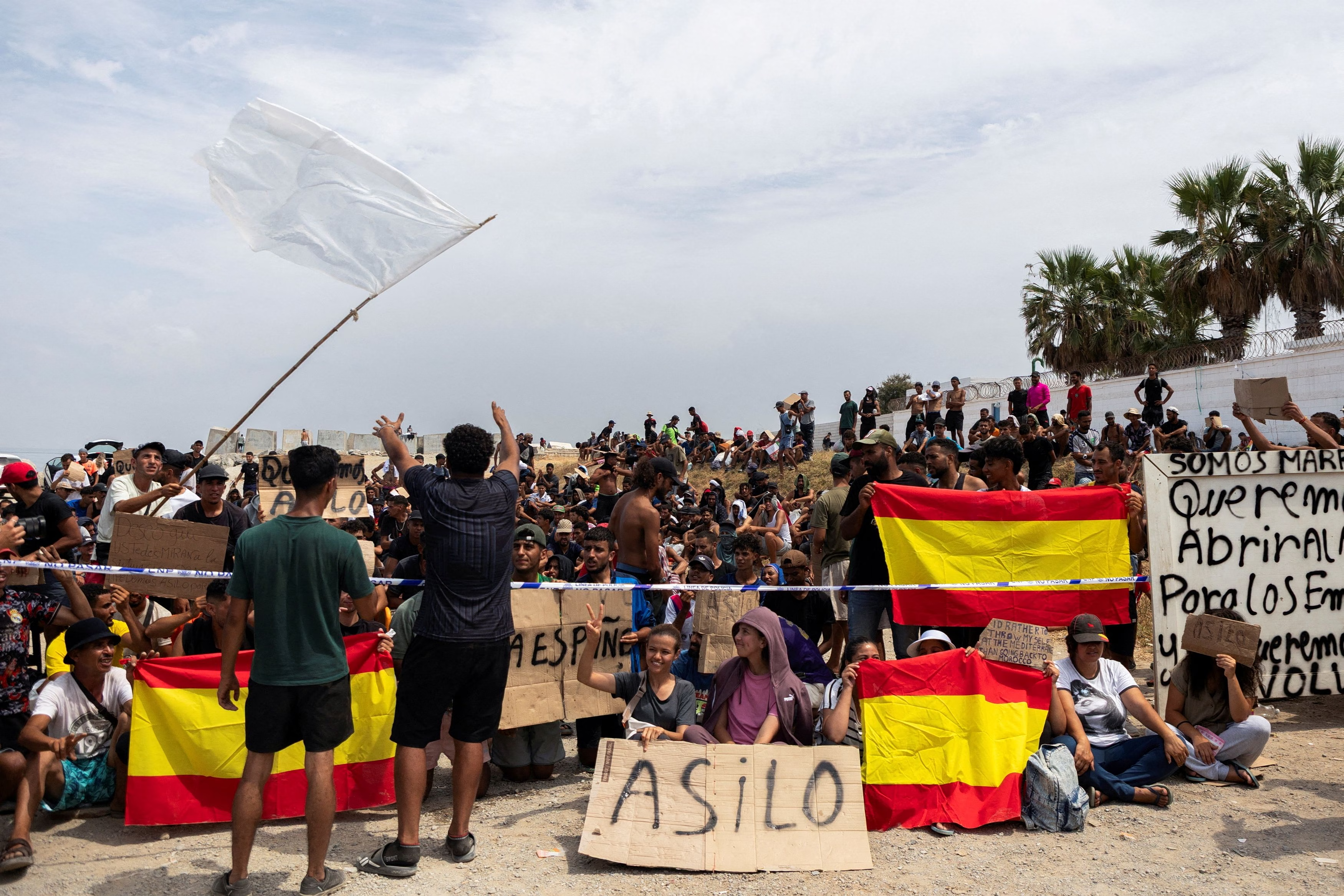
 Hundreds of migrants who entered Spain’s North African enclave of Ceuta during a mass border crossing staged a protest Sunday, calling on Spanish authorities to grant them asylum rather than return them to Morocco.
The protesters were among an estimated 5,000 to 8,000 migrants still in Ceuta after more than 72,000 people surged into the territory two weeks ago. Most of those who entered subsequently returned voluntarily to Morocco.
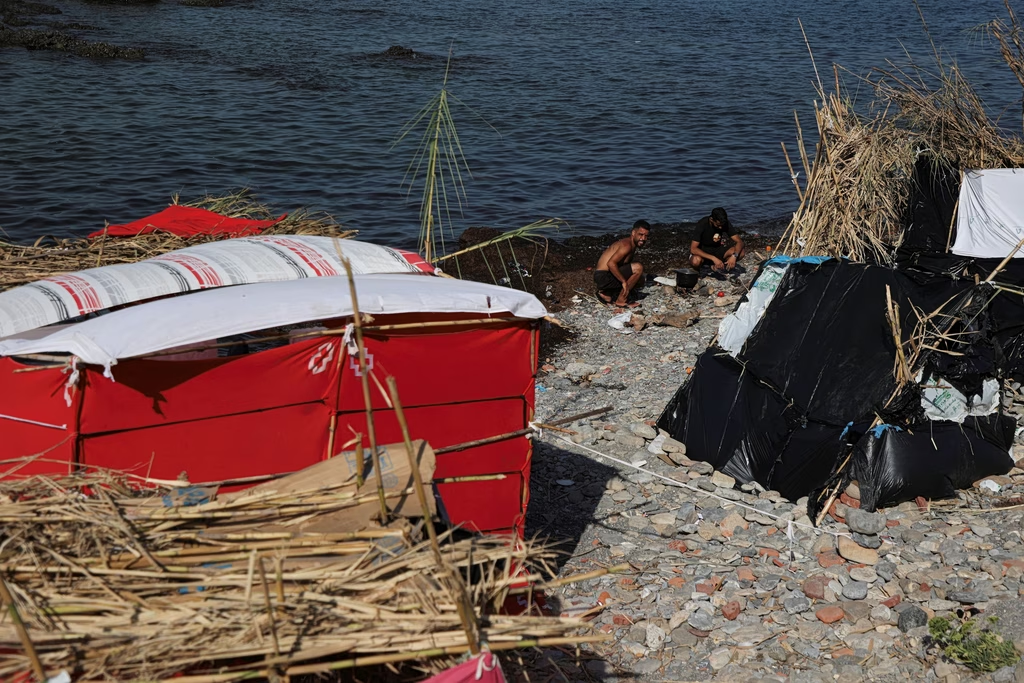
Moroccan migrants prepare food among makeshift shelters built from reeds, plastic sheets and other materials along the shoreline in Ceuta, Spain, August 15, 2026. REUTERS/Maria Alejandra Cardona
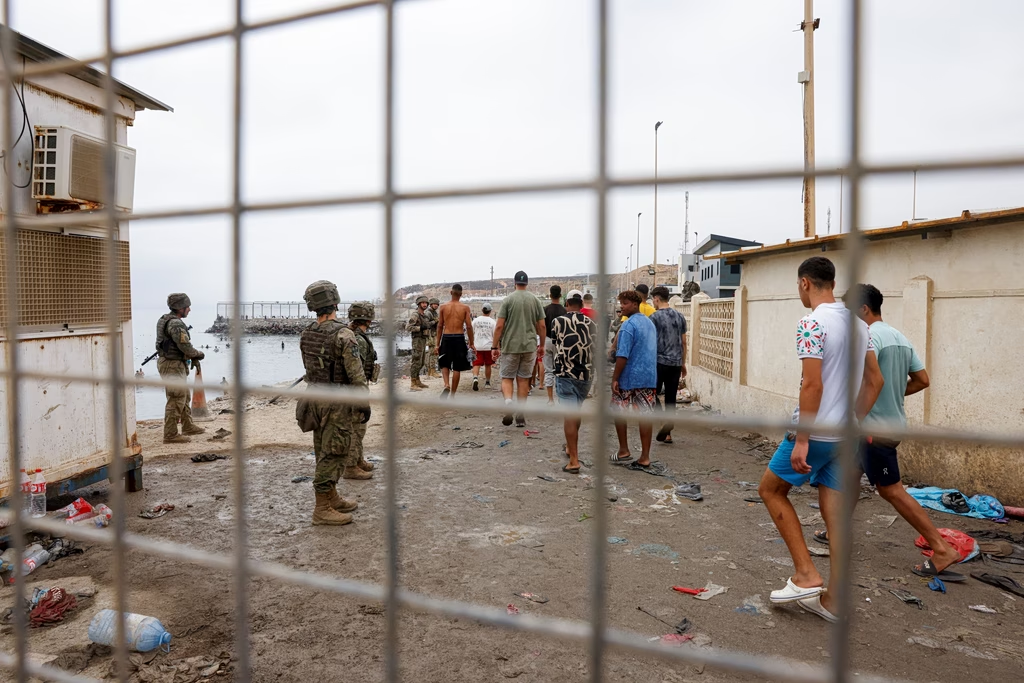
With Ceuta’s resources under severe strain, many of those remaining have been living in difficult conditions around El Trampolin beach and on the outskirts of the city while waiting for a chance to continue to continental Europe.
NEWSLETTER TABLE TALK
Never miss a story.
Subscribe now.
The most important news & topics every week in your inbox.
“We’re sleeping next to the sea, with cold and bad smells. We’re suffering a lot,” said Ayoub Elarroud, from Morocco’s Tetouan to Reuters. He said police were preventing migrants from going into the city center.
At the beach, protesters waved Spanish flags and held signs reading “We don’t want to go back to Morocco” and “We are also human.” They chanted “We’re tired” and “We need a solution.”
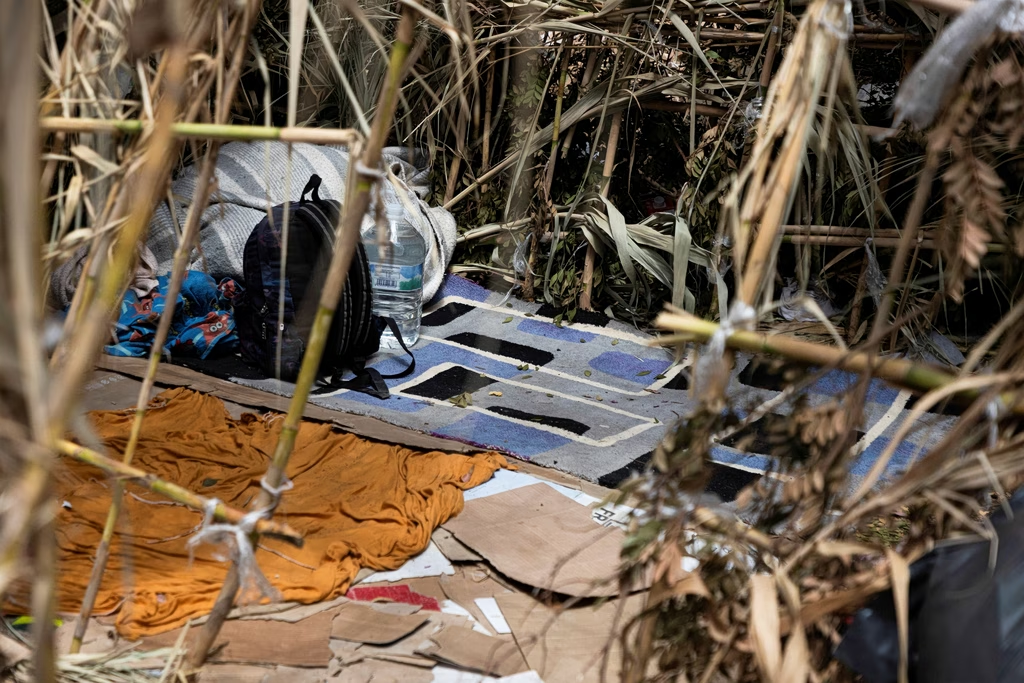
Belongings and bedding lie at a makeshift sleeping area used by migrants in Ceuta, Spain, August 16, 2026. REUTERS/Maria Alejandra Cardona
On the rocky shoreline behind them, some migrants washed their clothes while others fished with makeshift bamboo rods.
Spain rejects most requests to remain
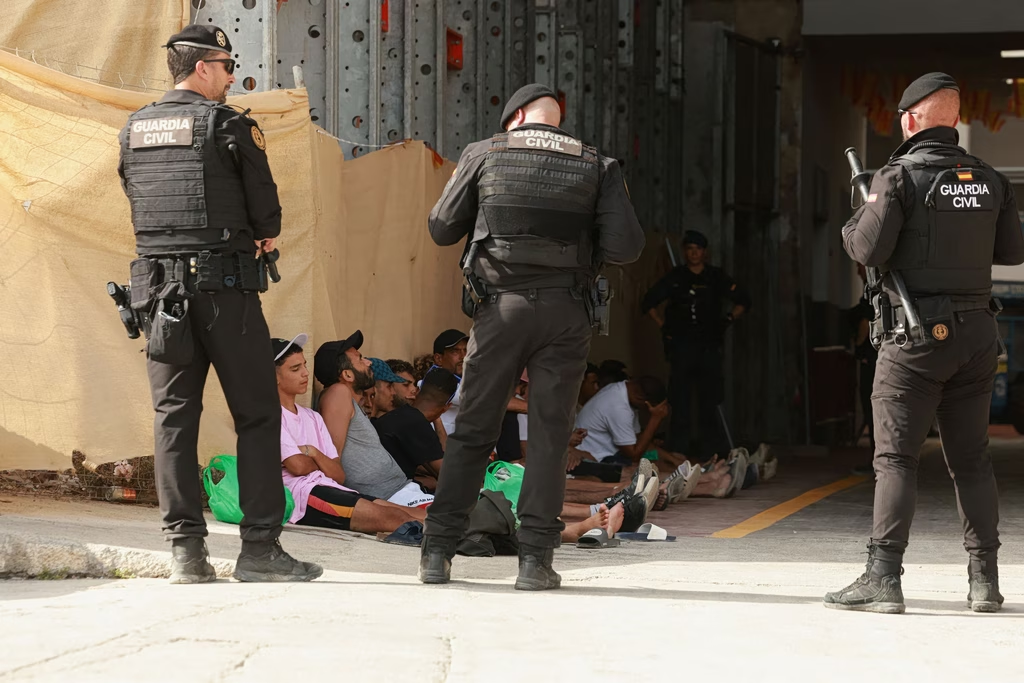
The protest came after Interior Minister Fernando Grande-Marlaska said earlier in the week that migrants who entered Ceuta irregularly would not be permitted to remain in the enclave, travel onward to mainland Spain or obtain legal status, except in rare cases involving extreme vulnerability.
The policy leaves many migrants facing an uncertain future after making long and difficult journeys to reach Spanish territory.
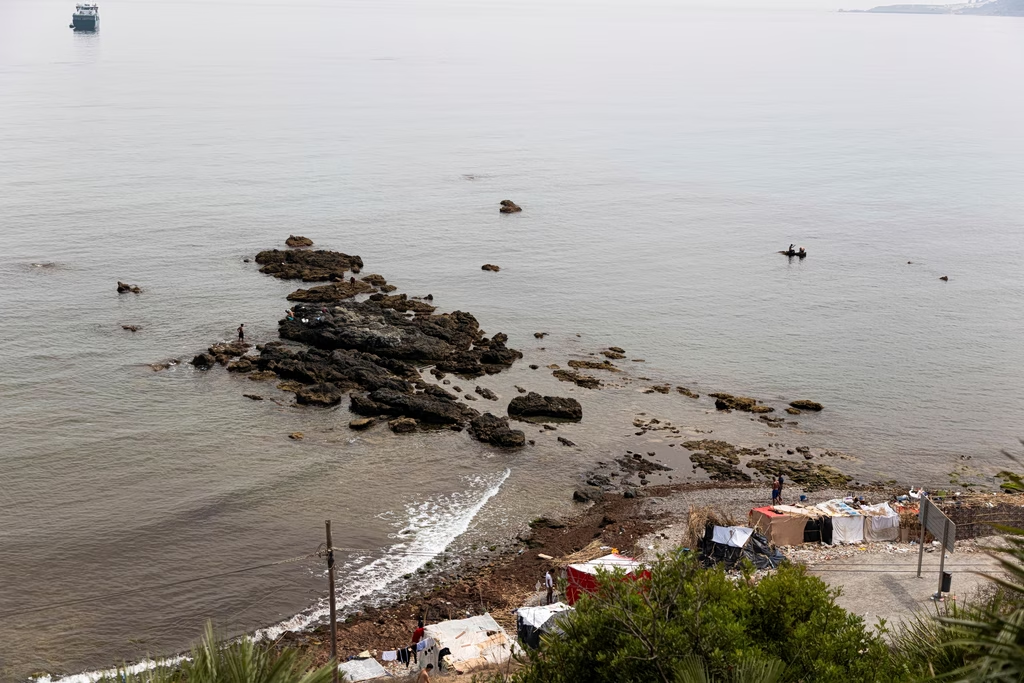
Makeshift shelters line the coast in Ceuta, Spain, August 16, 2026. REUTERS/Maria Alejandra Cardona
Moroccan migrants interviewed by Reuters said poor working conditions at home had been a major reason for their decision to leave, even though some held advanced qualifications.
Mohammed Ouanzar, a 39-year-old automation specialist from Fez, said an average monthly salary of 3,000 dirhams, or about $324, made it impossible for him to buy a home or start a family.
“Once I reached Spanish soil, I felt like I was born again,” he said. “I’d rather die than return.”
Hicham Chikir, 25, said many migrants were primarily seeking opportunities to work in Europe.
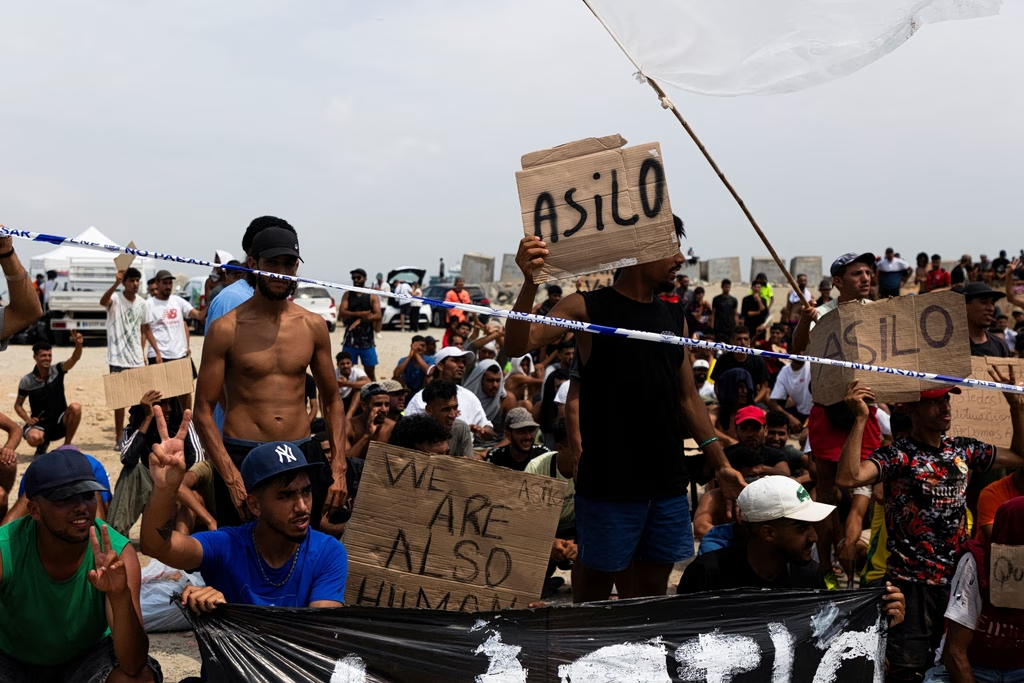
Migrants hold signs reading “Asilo,” Spanish for “asylum,” as they gather in Ceuta, Spain, August 16, 2026. REUTERS/Maria Alejandra Cardona
“If anyone is bad, the police can send them back,” he said.
Migrants describe long journeys
For others, the reasons for reaching Ceuta were tied to conflict, persecution and fears for their families.
As reported in Reuters, Emmanuel, a 30-year-old electrician from northeastern Nigeria, said his children had stopped attending school because of fears they could be kidnapped. He undertook a four-month journey through Niger, Algeria and Morocco in search of a safer future for them.
“I’m fighting for a better life for them,” he said, adding that he was prepared to take any job offered to him.
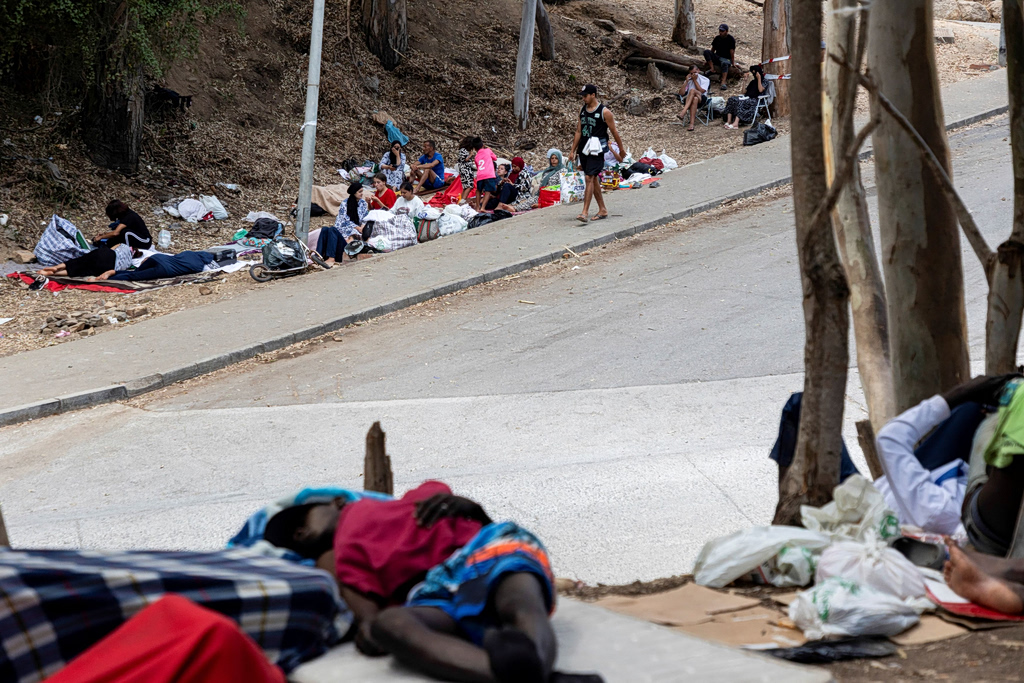
Migrants rest with their belongings near the coast after arriving in Ceuta, Spain, August 16, 2026. REUTERS/Maria Alejandra Cardona
Mohammad Ismail Hossain, 34, left Bangladesh more than two years ago following the 2024 mass uprising. He traveled through India, Pakistan, Iraq, Syria, Egypt, Libya and Algeria, mostly on foot, and said he witnessed fellow travelers die of thirst in the desert.
Ousmane, from southern Senegal, said he was seeking asylum because he had faced persecution over his sexual orientation. He was still waiting for a response from local nongovernmental organizations he had contacted.
“The worst thing is waiting all day with nothing to do, checking my emails constantly,” he said.
Health services under pressure
The continuing presence of thousands of migrants has also placed pressure on Ceuta’s health system.
Enrique Roviralta, head of the city’s medical board, said the limited number of healthcare workers were exhausted and criticized what he described as a slow response from Spain’s central government.
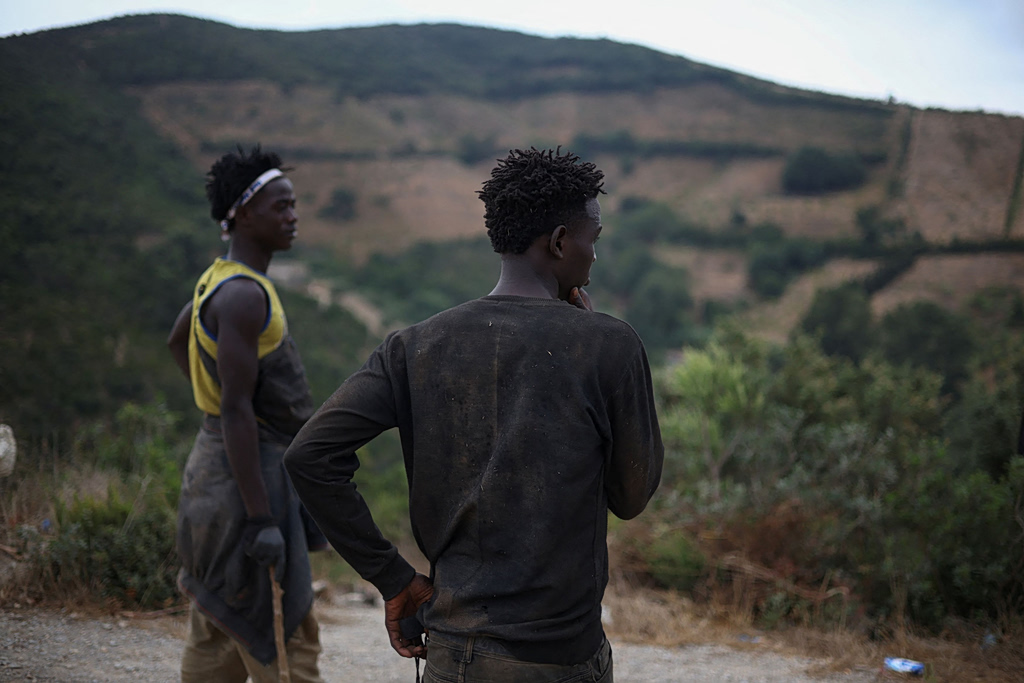
Sub-Saharan migrants living in the mountains of Bni Salah for almost a year, trying to cross the Moroccan-Panish border, stand in a mountainous area outside Fnideq, Morocco, August 16, 2026. REUTERS/Pedro Nunes
He said cases of infectious diarrhea and scabies were emerging, while injuries linked to violence, including broken noses and stab wounds, were increasing.
Health Minister Monica Garcia rejected suggestions that Ceuta’s health services had collapsed but acknowledged that they were under pressure.
“To associate migration with illness is unjust and xenophobic,” Garcia told reporters in Ceuta. She said there was a moderate risk of epidemic outbreaks among migrants and a low risk for residents.