 Μake us preferred on Google
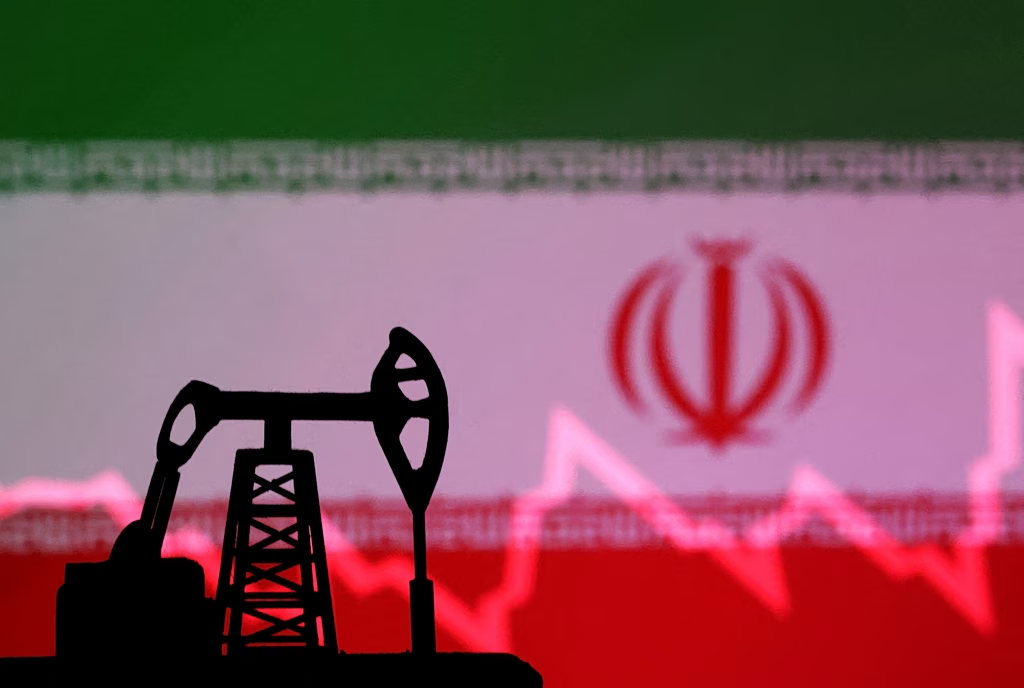
 Oil prices continued their upward trajectory for a third consecutive session on Tuesday, April 7, as U.S. President Donald Trump intensified threats to target key Iranian infrastructure if his demands were not met by the day’s deadline.
Brent crude hovered near 111 euros per barrel, up 0.7% from the previous session, while West Texas Intermediate settled around 115 euros, marking its highest close since June 2022. In India, crude oil on the Multi Commodity Exchange (MCX) mirrored this trend, rising nearly 2% to reach 10,786 rupees per barrel.
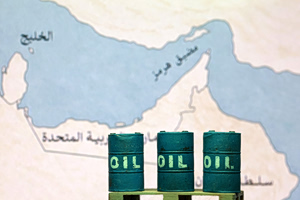
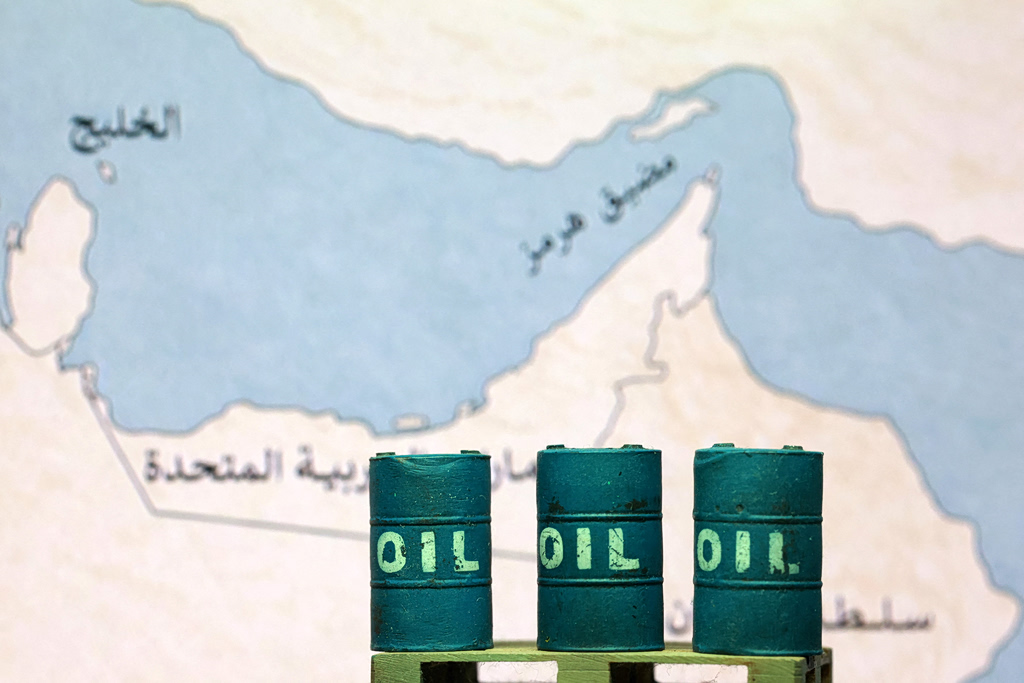
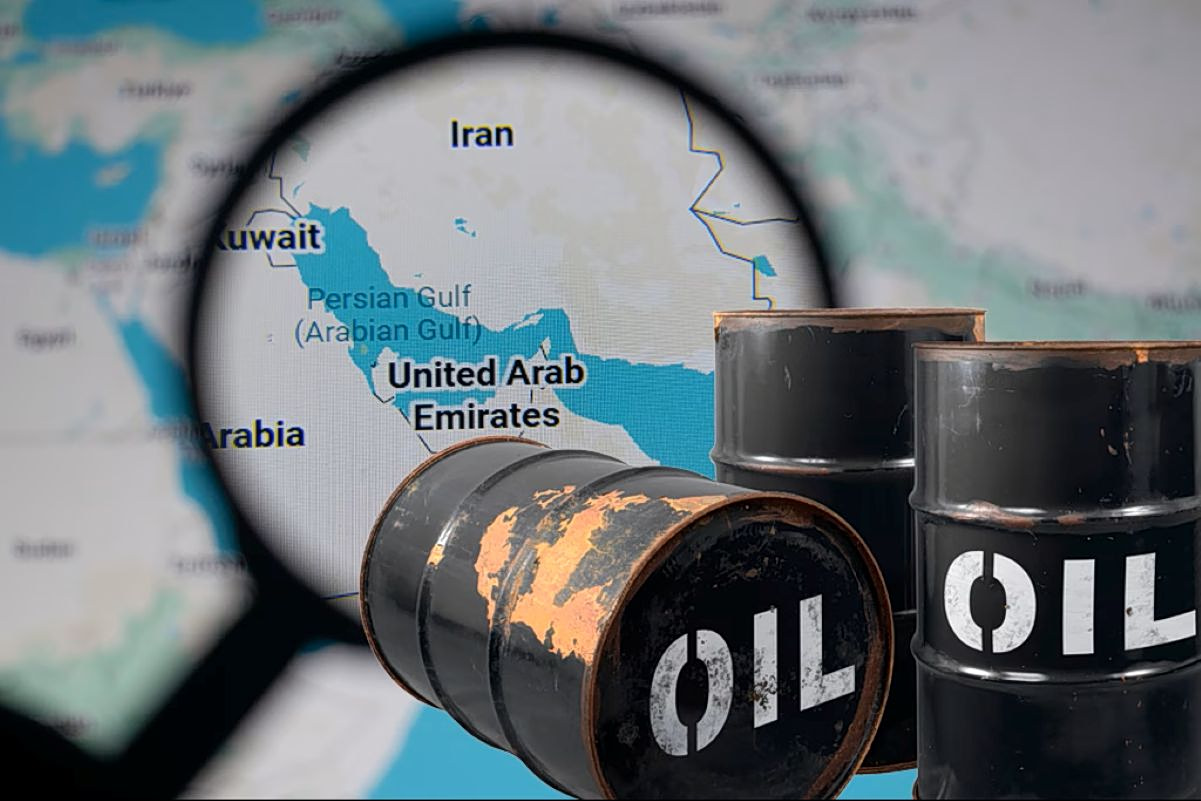
Diplomatic efforts via Pakistan have failed to sway Tehran, which rejected a proposed ceasefire, insisting on a definitive end to the conflict while keeping the strategically vital Strait of Hormuz tightly sealed. Globally, this blockade traps around 20% of oil supply, forcing refiners in Europe and Asia into a desperate scramble for alternative sources.
Supply concerns deepened after Reuters reported that Ukrainian drones struck the Caspian Pipeline Consortium terminal on the Black Sea, responsible for roughly 1.5% of global oil output, damaging loading and storage facilities.
Against this volatile backdrop, OPEC+’s decision last Sunday to increase production by 206,000 barrels in May appears largely symbolic. Analysts note that with the Strait of Hormuz still closed, producers are effectively unable to deliver oil to markets, rendering the output hike nearly inconsequential.
The combination of geopolitical brinkmanship and constrained supply is keeping oil markets on edge, with traders bracing for further volatility in the weeks ahead.