
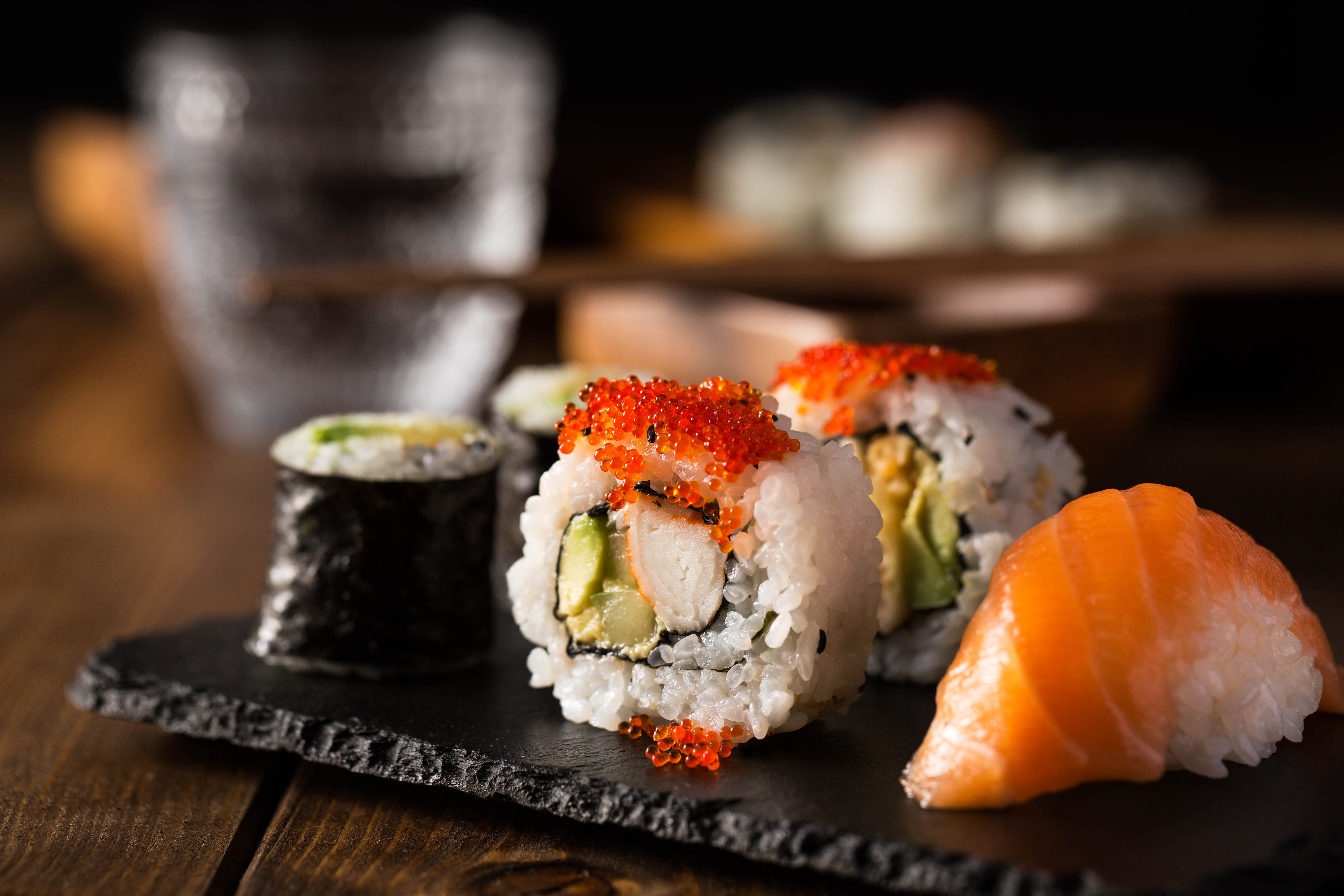
A 22-year-old man in Thessaloniki suffered severe illness after eating sushi, requiring hospitalization at Papageorgiou Hospital. The young man, who reportedly consumed sushi frequently, experienced acute discomfort immediately after his meal.
Initially, doctors considered a possible tumor and performed surgery. However, further examinations revealed that he had been infected with the intestinal parasite Anisakis, which is found in raw or insufficiently cooked fish. The patient received antibiotic treatment and is now in stable condition.
A First for Greece
This incident represents the first reported case of anisakiasis in Greece. Worldwide, over 90% of anisakiasis infections occur in Japan, where raw fish consumption is widespread. The World Health Organization estimates that around 56 million parasitic infections related to seafood occur each year globally.
What Is Anisakiasis?
According to the CDC, anisakiasis, also known as herring worm disease, is caused by nematodes (worms) that attach to the walls of the esophagus, stomach, or intestines. The parasite cannot be transmitted from person to person.
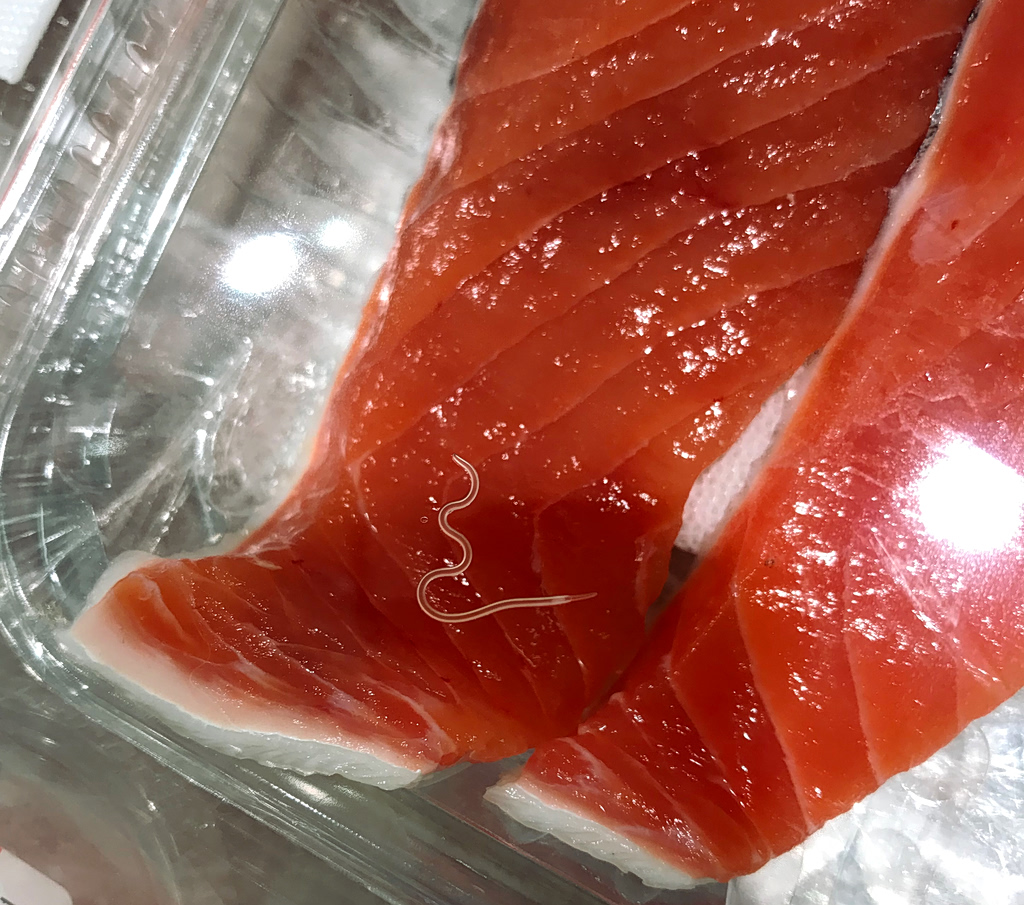
Togabi, CC0, via Wikimedia Commons
Symptoms may include:
- Abdominal pain, nausea, vomiting
- Abdominal distention
- Diarrhea, sometimes with blood or mucus
- Mild fever
- Allergic reactions are also possible, ranging from rashes and itching to, rarely, severe anaphylaxis. Some people may even feel a tingling sensation in the mouth or throat as the worm moves, which can sometimes be expelled manually or through vomiting.
How It Spreads
The parasite’s life cycle begins when marine mammals, such as whales or sea lions, release eggs into the sea. These eggs become infective larvae, which are eaten by crustaceans like crabs or shrimp. Fish or squid then consume the infected crustaceans. Humans can contract anisakiasis by consuming raw or undercooked infected fish or squid.
Preventing Anisakiasis
Health authorities recommend avoiding raw or undercooked fish and squid. The FDA advises proper cooking and freezing procedures to kill parasites:
Cooking: Cook seafood to an internal temperature of at least 63°C.
Freezing fish:
- At -20°C or below for 7 days, or
- At -35°C or below until solid, then storing at -35°C for 15 hours, or
- At -35°C until solid, then storing at -20°C or below for 24 hours.
As sushi and other raw seafood dishes become more popular, awareness of anisakiasis and proper food handling is essential to prevent serious illness.