One of summer’s most beloved ingredients, calamari is breaking free from the frying pan and the charcoal grill. Five chefs reveal how they would cook it when the usual recipes simply won’t do.
The taste of summer is salty—the salt of the sea. And seafood, as its very name suggests, brings that taste straight to our plates. It is the beloved meze, the small dish shared around a table overlooking the waves. Greek cuisine has no shortage of such dishes. But it is also constantly reinventing them. It never stands still.
With ingredients this abundant and naturally delicious, you do not need much to make them shine.
Shrimp, langoustines, mussels, octopus and, of course, calamari: true treasures of the Greek seas, celebrated by chefs and especially by those who cook on the country’s islands.
Of all these magnificent seafoods, we chose calamari and challenged five accomplished chefs—Joseph Sykianakis, Dimitris Dimitriadis, Miltiadis Vlachogiannis, Theodosis Theodosiou and Maria Kalligieri—to cook it in ways that go beyond the familiar.
We know calamari is wonderful when perfectly fried, grilled over charcoal just long enough, or lightly sautéed. But we asked for something different.
And, as it turns out, they had no trouble rising to the challenge.
Because calamari is an inspiration in its own right.
Stuffed Calamari with Cauliflower Couscous and Ladolemono
By Joseph Sykianakis
“I came up with this recipe during my years at Barbarossa in Paros, influenced by the Egyptian fishermen we had on the island. For the filling, of course, I used Greek ingredients, while for the couscous I replaced the traditional pasta with cauliflower. It makes a very refreshing base for the stuffed calamari.”
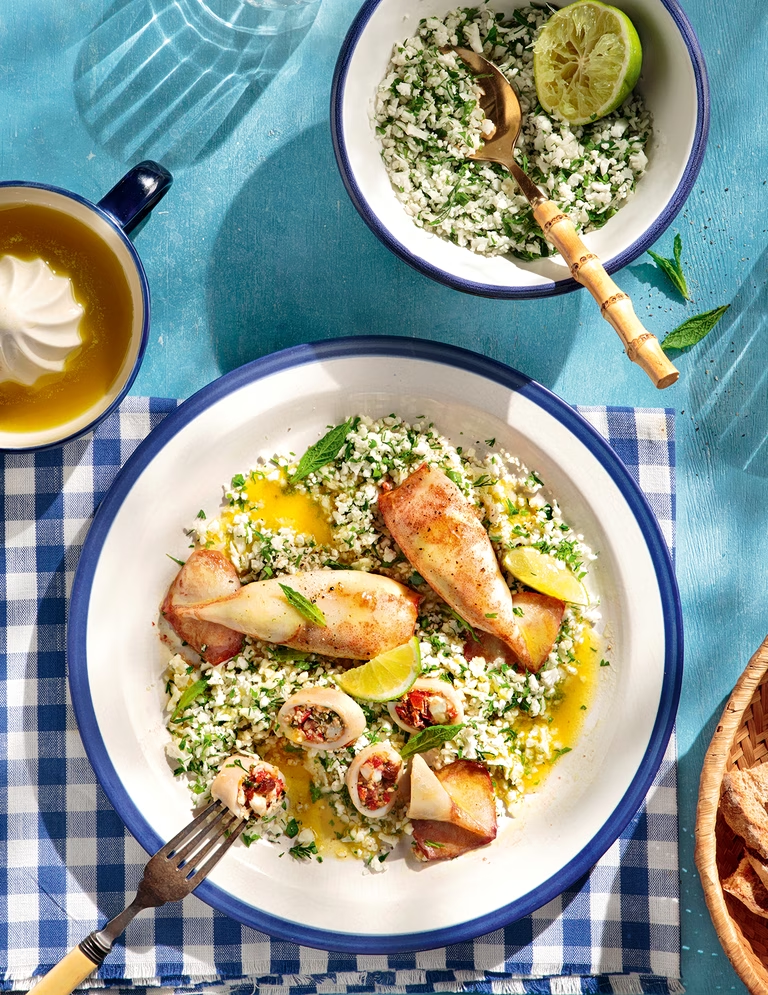
Photo: Giorgos Drakopoulos/Food styling: Olivia Artemis Webb
Ingredients for 4
For the calamari
- 4 medium calamari, cleaned
- 200 g feta, crumbled
- 1 small Florina pepper, finely chopped
- 3 sun-dried tomatoes, finely chopped
- The calamari tentacles, finely chopped
- 2 tbsp finely chopped parsley
- 1 small garlic clove, crushed
- 2 tbsp olive oil
- Zest of ½ lemon
- 1 tbsp lemon juice
- ½ tsp oregano
- Freshly ground black pepper
- A little salt
For the cauliflower couscous
- 500 g cauliflower, trimmed
- 1 tbsp finely chopped mint
- 2 tbsp finely chopped parsley
- 1 tbsp finely chopped dill
- Zest of 1 lime
- 2 tbsp lime juice
- 3 tbsp olive oil
- ½ tsp salt
- Freshly ground black pepper
For the ladolemono
- 60 g lemon juice
- 180 g olive oil
- 1 tsp mild mustard
- Salt
- Freshly ground black pepper
Method
- Prepare the filling first. Finely chop the calamari tentacles and combine them in a bowl with the feta, Florina pepper, sun-dried tomatoes, parsley, garlic, lemon zest and lemon juice. Add the olive oil, oregano and pepper and mix thoroughly until everything comes together into a uniform mixture.
- Fill the calamari tubes three-quarters full—do not overfill them, as they shrink during cooking. Carefully secure the openings with toothpicks.
- Grill the calamari on a barbecue or lightly oiled grill pan over high heat for 3–4 minutes on each side. Alternatively, place them in a baking dish and cook in a preheated oven at 180°C for approximately 18–20 minutes, turning them once halfway through. When ready, drizzle with a little lemon juice and olive oil.
- Meanwhile, prepare the cauliflower couscous. Grate the cauliflower very finely until it resembles couscous. If you prefer it tender rather than raw, sauté it in a pan for 1–2 minutes, taking care not to let it color. Add the herbs, lime juice and zest, olive oil, salt and pepper and mix well.
- Blend all the ingredients for the ladolemono with a stick blender until you have a smooth, emulsified sauce.
- Spoon the cauliflower couscous onto the base of each plate and place the stuffed calamari on top, sliced on the diagonal. Finish with spoonfuls of ladolemono, a little extra parsley and lemon or lime zest.
Enjoy it with…
Produced at the Pavlidis Estate vineyards in Drama from grapes of the Spanish Tempranillo variety, Thema Rosé has a delicate, luminous cherry-pink color and an expressive citrus nose, with hints of red fruit adding an extra layer of freshness. It is a particularly good match for a dish built around Mediterranean ingredients and aromas.
Its acidity and fruity finish pair beautifully with the refreshing cauliflower couscous and the aromatic stuffed calamari, creating a combination that is unlikely to leave anyone at the table unmoved.
Calamari in Tomato Sauce with Flomaria
By Maria Kalligieri
“Flomaria is the traditional pasta we have on the island, and this calamari recipe is a classic from Lemnos. For me, though, it brings back memories of the tomato sauces my father used to make every summer. He still makes them today for our shop.”
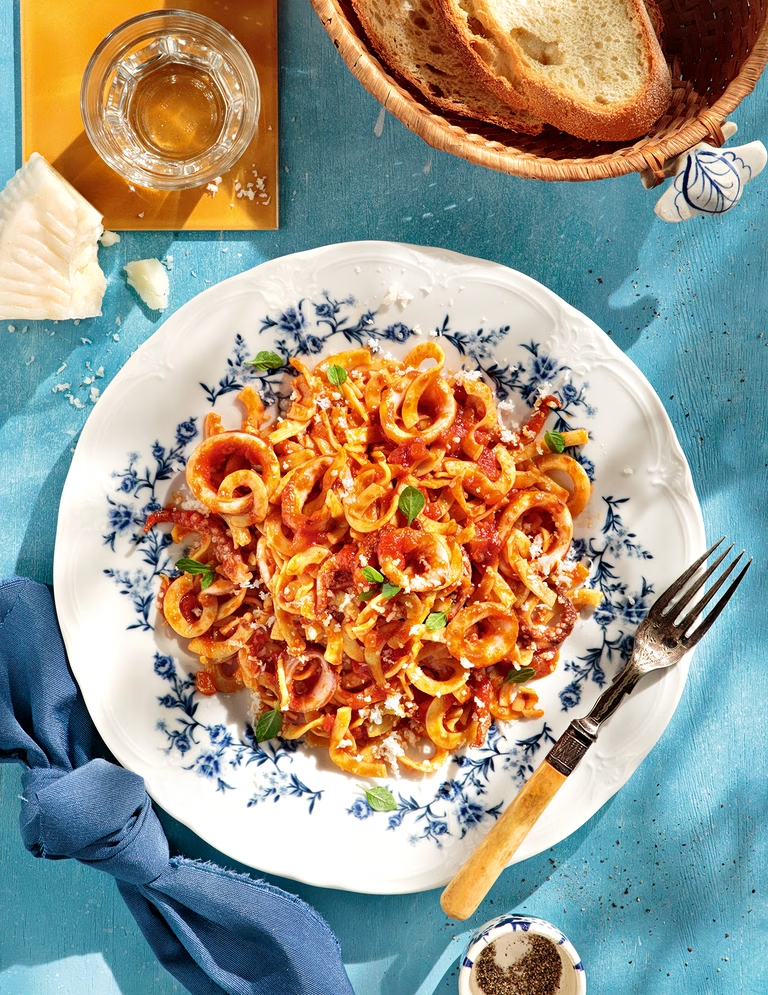
Photo: Giorgos Drakopoulos/Food styling: Olivia Artemis Webb
Preparation time: 10 minutes
Cooking time: 35 minutes
Difficulty: *
Ingredients for 4
- 1.5 kg calamari
- 500 g fresh tomato sauce
- ½ small glass extra-virgin olive oil
- 1 medium white onion, finely chopped
- 1 tsp salt
- 1 tsp pepper
- 1 tsp allspice
- 2–3 bay leaves
- 1 tsp fresh oregano or thyme
- 1 small glass white wine
- 1 tbsp tomato paste
- ½ bunch basil
- 400 g Lemnos flomaria
- Grated melichloro cheese, to serve
Method
- Wash and clean the calamari. Leave them in a colander to drain thoroughly.
- Heat the olive oil in a saucepan and sauté the onion for 2–3 minutes. Add the calamari and stir to coat them in oil. Deglaze with the wine and, once the alcohol has evaporated, add the tomato paste, salt, pepper, allspice, bay leaves, oregano or thyme, and tomato sauce.
- Once the sauce comes to a boil, cover the pan and leave it to simmer over medium heat until the sauce thickens and the calamari are cooked through. They are ready when tender to the bite. Towards the end, add the bunch of basil and leave it for 10 minutes to release its aroma.
- Remove the basil, then add the flomaria to the pan, adding water if necessary—the pasta should be covered by the cooking liquid. Cook for 4–5 minutes, then remove from the heat.
- Serve with freshly grated melichloro.
Flomaria are a traditional handmade pasta from Lemnos, while melichloro is a local aged sheep’s-milk cheese from the island.
Enjoy it with…
An authentic Agiorgitiko from Nemea, Seméli Estate’s Orinos Helios Rosé is a wine that wins you over from its color alone. Vibrant cherry-red in the glass, it reveals pronounced aromas of ripe, sweet fruit alongside notes of milk chocolate.
The same subtle sweetness appears on the first sip—barely perceptible, but enough to harmonize with the rich flavors of this traditional island dish. Its pronounced acidity, together with the cherry finish it leaves on the palate, gives added intensity to the tomato sauce that brings the flomaria and calamari together.
Chickpea Stew with Grilled Calamari, Kakavia Sauce and Florina Pepper
By Dimitris Dimitriadis
“People have started eating chickpeas again; they are asking for them. Especially when it is a chickpea stew cooked properly. It may be a ‘humble’ ingredient, but it is delicious and has a mild, sweet flavor that works beautifully with shellfish, especially calamari. Together, they elevate the chickpea and provide a wonderful garnish for the seafood.”
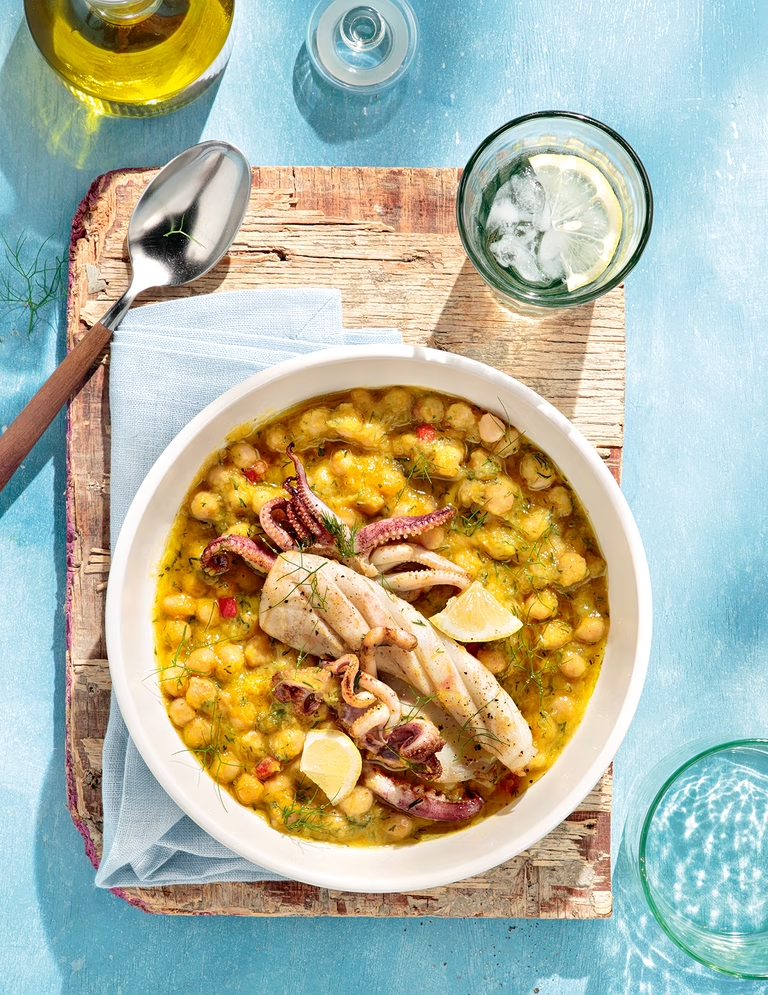
Photo: Giorgos Drakopoulos/Food styling: Olivia Artemis Webb
Preparation time: 45 minutes
Cooking time: 60 minutes
Difficulty: *
Ingredients for 4
- 250 g chickpeas, soaked overnight
- ½ onion
- 1 bay leaf
- 1 star anise
- 5 g finely chopped dill
- 5 g finely chopped fennel
- 5 g finely chopped basil
- 2 g finely chopped lemon thyme
For the kakavia sauce
- Extra-virgin olive oil
- 2 onions, thinly sliced (julienne)
- 300 g fennel, tips only
- 5 stalks lemongrass, finely chopped
- 4 celery stalks, thinly sliced
- 7 carrots, thinly sliced
- 2 liters fish stock
To finish
- 1 kg calamari
- Chickpeas with herbs
- 500 ml kakavia sauce
- Salt
- Lemon juice
- ½ Florina pepper, diced
- Extra-virgin olive oil
Method
- Soak the chickpeas overnight. The next day, rinse them and place them in a pressure cooker with the onion, star anise and bay leaf. Add water and cook for approximately 55 minutes, until tender. Allow them to cool in their cooking liquid, then drain and toss with the dill, fennel, basil and lemon thyme.
- Prepare the kakavia sauce. Sauté the vegetables in olive oil for some time, allowing them to soften without taking on any color. Add the fish stock and cover with a lid. Cook until the vegetables are tender.
- Blend the sauce with a stick blender until it reaches a smooth, velvety consistency.
- Clean the calamari, rinse well and pat dry. Coat with olive oil, season with salt and grill.
- Place the chickpeas in a saucepan with 500 ml of the kakavia sauce and bring to a good simmer. Adjust the seasoning with lemon juice and salt, if necessary.
- Spoon the chickpea stew onto plates and place the grilled calamari on top. Garnish with Florina pepper and fresh olive oil.
Enjoy it with…
The rosé version of Boutari’s iconic Moschofilero is made exclusively from vineyards in Mantinia and is charming, refreshing and unmistakably summery.
It has an expressive nose of rose, jasmine and peach, followed by welcome acidity and a fruity finish. An ideal match for white meats and seafood, it works particularly well with the grilled calamari, luscious chickpea stew and intensely flavored kakavia sauce.
Kakavia is a traditional Greek fishermen’s fish soup, typically made with fish and vegetables. Here, the chef transforms its flavors into a smooth sauce.
Cycladic Warm Potato Salad with Sautéed Calamari and Herbs
By Miltiadis Vlachogiannis
“Capers are one of the emblematic products of Tinos and, for me, an essential ingredient in a potato salad. Combined with caramelized calamari, herbs and citrus juices, they create a dish that smells of the Cyclades.”
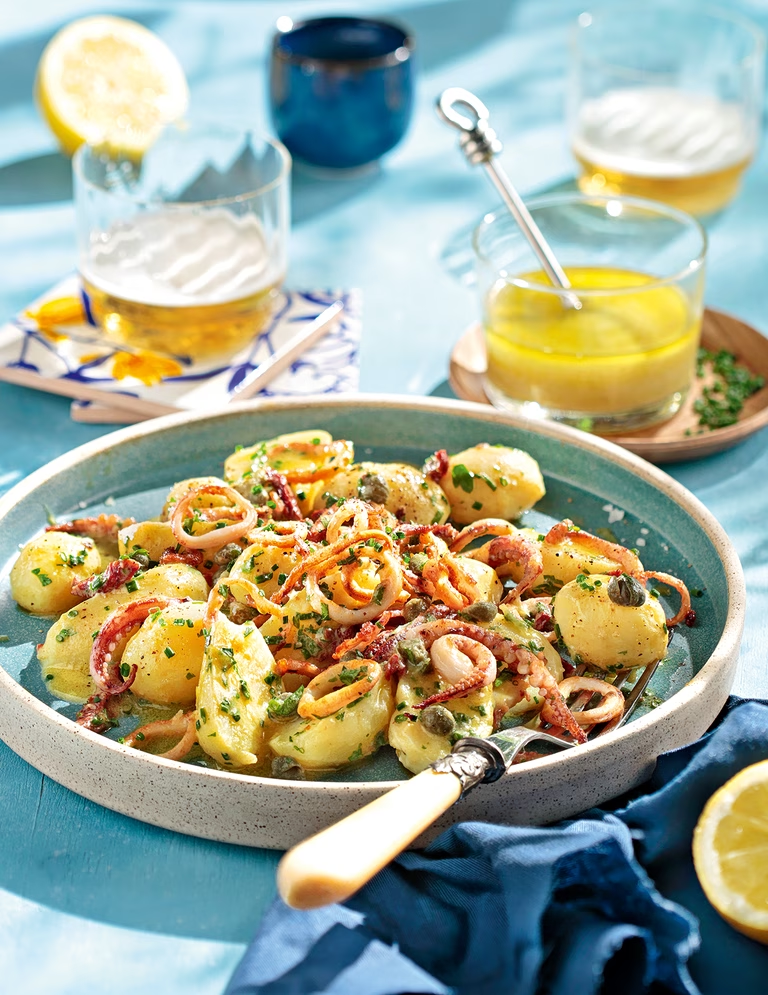
Photo: Giorgos Drakopoulos/Food styling: Olivia Artemis Webb
Preparation time: 20 minutes
Cooking time: 30 minutes
Difficulty: *
Ingredients for 4
- 700 g calamari
- 800 g baby potatoes
- 70 g sun-dried tomatoes, cut into strips
- 35 g capers
- ½ bunch parsley, finely chopped
- 20 g chives, finely chopped
- 10 g mint, finely chopped
- 15 g salt, for curing
- 15 g sugar
- Zest of 1 lime
- Salt and pepper
For the dressing
- 120 ml extra-virgin olive oil
- 60 ml Dijon mustard
- 10 g spring onion, finely chopped
- 40 ml lemon juice
- 20 ml orange juice
- Salt and pepper
Method
- Wash the potatoes thoroughly, scrubbing the skins to remove any dirt. Boil them in salted water until tender but not falling apart, approximately 20-25 minutes. Once cooked, drain them and, while still hot, cut them in half or into quarters.
- Meanwhile, clean the calamari. Mix the 15 g of salt with the sugar in a bowl. Rub the calamari with the mixture and leave for approximately 30 minutes. This helps tenderize the calamari and encourages caramelization during cooking.
- Rinse the calamari thoroughly, pat dry with kitchen paper and cut into very thin strips.
- Heat a little olive oil in a frying pan and sauté the calamari over high heat for 2-3 minutes, until colored but still tender. Finish with the lime zest.
- Blend all the dressing ingredients in a food processor until you have a thick, homogeneous sauce.
- Now assemble the salad. Place the still-warm potatoes in a large salad bowl. Add the capers, sun-dried tomatoes, parsley, chives and mint. Add the sautéed calamari, reserving a little for garnish.
- Pour the dressing over the ingredients while they are still warm, allowing the potatoes to absorb all the flavors. Toss gently, taste and adjust the seasoning.
- Serve garnished with the reserved calamari.
Chef’s tip
The salad is best eaten warm or lukewarm, when the aromas of the mint and citrus are at their most pronounced.
The baby potatoes can also be replaced with black-eyed beans or chickpeas.
Enjoy it with…
Unique, just like the grape variety it comes from, Viognier is grown in the privately owned vineyards of Palivos Estate in Ancient Nemea. It is an irresistible, full-bodied wine.
Bright yellow with almost golden tones and an elegant yet complex character, it is an ideal partner for white meats, seafood and vegetable dishes such as this warm potato salad inspired by Tinos.
Aromas of white flowers, sweet spices and fruit lead to a creamy, rich palate, balanced by refreshing acidity and a long, sweet finish. Serve chilled and let it transport you straight to the Cyclades.
Lemon Calamari with Lemon Verbena and Olive Oil Potato Purée
By Theodosis Theodosiou
“Cooked calamari is something we have a lot of on our islands. I simply happen to have a large herb garden. We had a very large lemon verbena plant, and I was thinking about how we could use it apart from making spoon sweets. I thought of combining it with calamari—and it worked!”
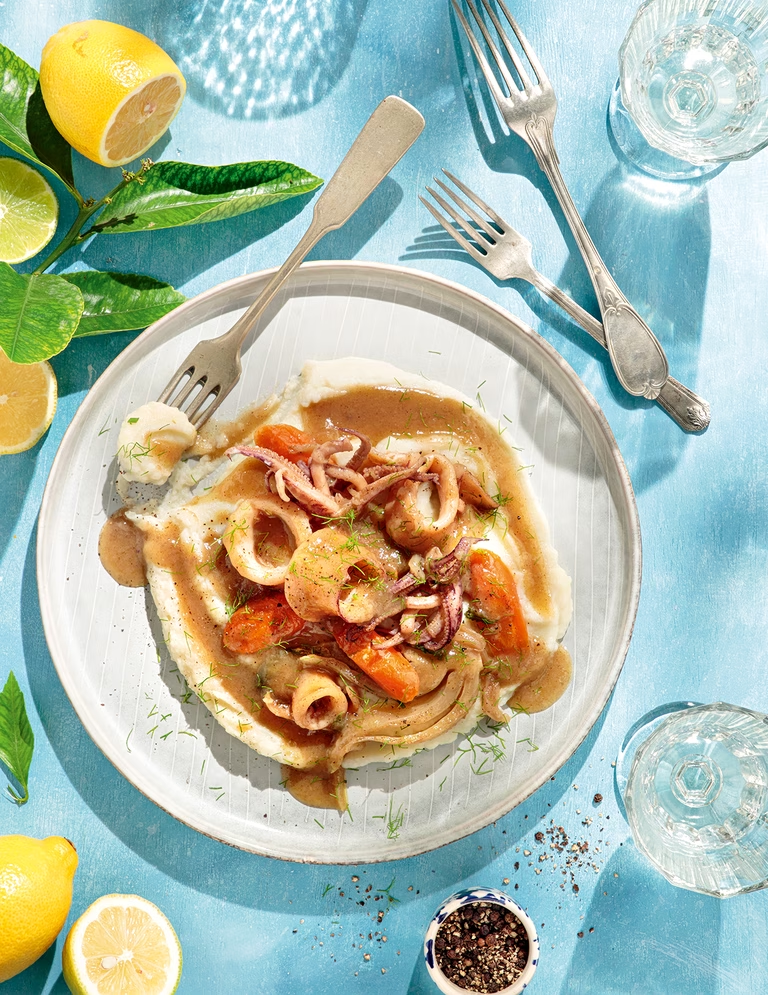
Photo: Giorgos Drakopoulos/Food styling: Olivia Artemis Webb
Preparation time: 15 minutes
Cooking time: 60 minutes
Difficulty: *
Ingredients for 4
For the calamari
- 1.2 kg cleaned calamari
- 200 g dry white onion, finely chopped
- 80 g spring onion, white part only, finely chopped
- 150 g carrot, finely chopped
- 100 g fennel, finely chopped
- 4 garlic cloves, finely chopped
- 80 g extra-virgin olive oil
- 350–400 g water
- 70 g white wine
- 4 lemon verbena leaves
- Juice and zest of 3 lemons
- Salt and pepper
For the purée
- 800 g peeled potatoes
- Milk, as needed
- Water, as needed
- 8 g salt
- 80 g extra-virgin olive oil
- 2 tbsp savory
Method
- Pour the olive oil into a cold saucepan and add the dry and spring onions, carrot, fennel and garlic. Turn the heat to medium and allow the vegetables plenty of time to soften and become sweet without taking on color. Deglaze with the wine.
- Once the alcohol has evaporated, add the cleaned calamari, cut into quarters, along with the tentacles, and sauté. Once they begin releasing their juices, add the water and lemon verbena leaves.
- Cover the saucepan and cook over low heat for approximately 20 minutes. Remove the lid and continue cooking for another 20 minutes.
- At the end, season with salt and pepper and add the lemon juice and zest. Stir well.
- For the purée, cut the potatoes into large cubes and place them in a saucepan. Cover them with equal quantities of water and milk and cook over medium heat until completely tender.
- Transfer the potatoes to a bowl while they are still hot. Add the salt, olive oil and savory, then mash with a potato masher. Depending on the desired consistency, add some of the milk-and-water mixture in which the potatoes were cooked.
- Serve the purée topped with the cooked calamari and its sauce.
Enjoy it with…
One of the oldest vineyard sites at the Hatzimichalis Estate, Houlevaina in the Atalanti Valley provides an exceptional home for Chardonnay, offering the ideal soil and conditions for the grape to develop all the characteristics that make it so appealing.
Exceptionally fresh, as it is not aged in barrels but vinified in stainless-steel tanks under carefully controlled temperatures, it has a bright straw-yellow color, aromas of tropical fruit and lemon blossom, and moderate acidity.
It is an ideal match for the fragrant calamari, with its lemon verbena and fresh lemon zest.