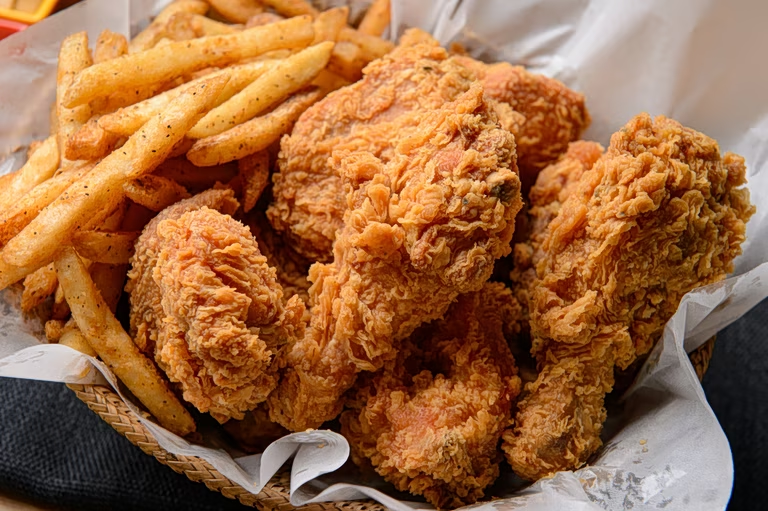
Let’s start with a simple truth: for decades, fried chicken was never especially popular in Greece. It had its audience, of course, but it always trailed behind souvlaki, pizza and burgers — especially burgers, which evolved from humble street food into a premium culinary obsession, with celebrated chefs constantly reinventing them through bold flavor combinations and increasingly extravagant presentation. Internationally, the story was much the same — minus Greece’s beloved souvlaki, which never entered the global fast-food race.
Then, around 2019, something changed.
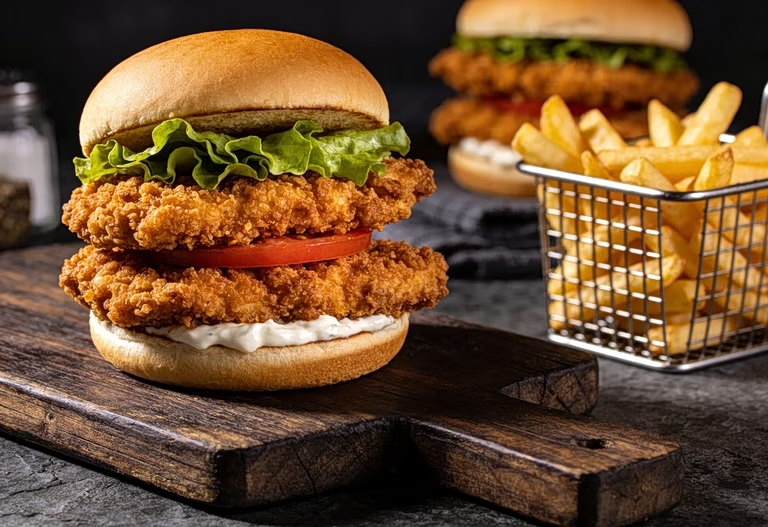
Fried chicken suddenly exploded in popularity. And the driving force behind that shift was unmistakable: Gen Z.
At first glance, the trend felt contradictory. This was the generation we associated with wellness culture — the one drinking adaptogenic beverages, counting protein intake, embracing probiotics and increasingly experimenting with veganism. Compared to millennials or the twenty-somethings of the 1990s, Gen Z seemed far more health-conscious and less interested in excess, including alcohol.
But maybe we never understood them quite as well as we thought we did.
The generation that wants everything
Gen Z has a complicated relationship with time. They crave speed, convenience and instant gratification. Raised in the digital era, they don’t want to waste experiences — they want to consume them all, constantly and intensely.
At the same time, this is a generation deeply concerned with ethics and sustainability. They care about where their food comes from, how it affects their health and what it says about their identity. Yet they are also endlessly curious. Saturated with information and visual stimulation from an early age, they are always searching for the next trend, the next cuisine, the next sensory thrill.
They love quick meals and fine dining with equal enthusiasm. They’ll experiment in the kitchen one day and order comfort food the next. Their tastes are fluid, global and constantly evolving.
And strangely enough, fried chicken fits perfectly into that world.
For a generation navigating economic uncertainty, relentless social pressure and nonstop digital overstimulation, indulgence matters. Adventure matters. Emotional comfort matters. When we say Gen Z values wellness, we often forget that mental satisfaction and emotional relief are part of wellness too.
That helps explain why fried chicken experienced its biggest comeback during the pandemic years in both the United States and the United Kingdom. In a period marked by isolation, anxiety and emotional exhaustion, many turned to food that delivered immediate pleasure and comfort with every bite.
This is also a good moment to retire another myth: Gen Z does drink alcohol. They simply do it differently.
Younger consumers tend to choose more carefully, drink more selectively and place great importance on aesthetics and presentation. They value moderation — something older generations arguably discovered much later in life.
More importantly, Gen Z has grown up consuming enormous amounts of information, often passively through social media. As a result, they have exceptionally high standards. They get bored easily with the ordinary, repetitive and predictable. Everyday life itself has to feel stimulating. There always needs to be something “spicy” — literally or metaphorically.
Borrowed nostalgia
As a reaction to an overwhelmingly digital world, Gen Z has also developed nostalgia for eras they never actually lived through.
Vinyl records, grainy photo filters, thrift-store fashion and flip phones have all returned as cultural symbols of authenticity and simplicity. Food trends followed the same path. Fried chicken, mac and cheese and oversized milkshakes became part of this wave of “borrowed nostalgia” — comfort foods associated with a more tactile, analog America many young people know only through films, television and the internet.
But Gen Z is not trying to recreate the past exactly as it was.
They want to remix it.
They combine nostalgic references with modern aesthetics, global influences and internet culture to create something entirely new. They adopt elements of older eras not because they idolize them, but because those elements make life feel more authentic, more playful and more alive.
Why fried chicken won
Fried chicken may be leading the trend, but it is hardly alone. Since 2019, younger consumers have shown a dramatic increase in their appetite for fried foods overall.
French fries remain a mandatory side order for many. Air fryers have become massive commercial successes. Even fried eggs are now treated as gourmet content online.
This is not accidental. During periods of uncertainty and stress, people naturally gravitate toward nostalgic foods and intensely pleasurable flavors. Fried foods and desserts are particularly effective at delivering emotional comfort.
But psychology alone doesn’t explain fried chicken’s dominance.
The burger, quite simply, started to feel tired.
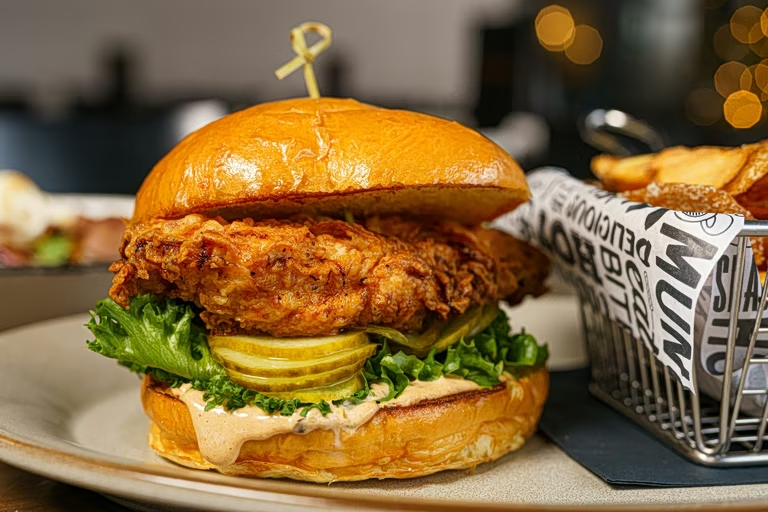
After years of total market domination — especially through the rise of smash burgers — consumers were ready for something different. Fried chicken arrived at exactly the right moment: familiar enough to feel comforting, but versatile enough to feel exciting again.
And visually, it was perfect for TikTok.
The chicken sandwich became one of social media’s most cinematic foods. The crunch. The sauces. The dramatic cross-sections. The endless variations.
From classic Southern-style buttermilk fried chicken to Korean-inspired versions glazed with gochujang, soy, honey and garlic, or Japanese karaage marinated in soy sauce, sake and ginger, fried chicken constantly reinvents itself.
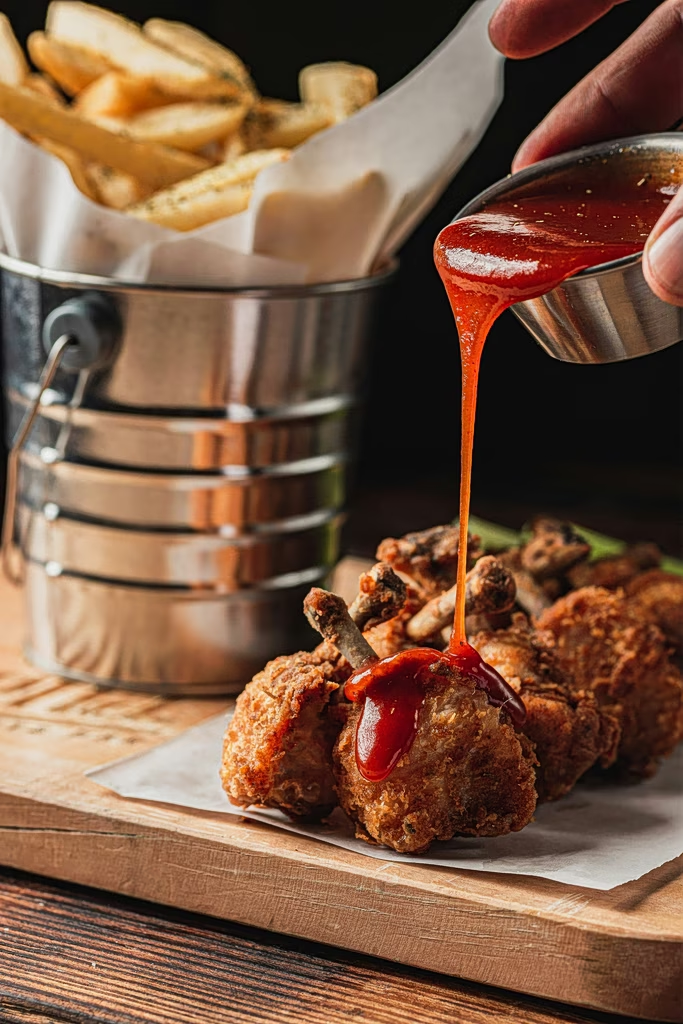
Chefs embraced the challenge. Marinades became more creative. Spice blends more experimental. Sauces more extravagant. Side dishes more refined.
The possibilities seemed endless.
The era of “contradictory eating”
Another reason for fried chicken’s popularity is its flexibility.
It appears in bao buns, wraps, classic burger buns, buckets, rice bowls and oversized game-day platters. It works equally well as street food, comfort food or social-media spectacle.
That versatility also made it ideal for food creators and viral cooking challenges online.
More importantly, fried chicken perfectly reflects what some trend analysts call “contradictory eating” — Gen Z’s tendency to combine seemingly opposite desires into a single experience.
Protein paired with indulgence. Nostalgia mixed with global flavors. Intensity balanced with convenience.
And unlike many premium food trends, fried chicken remains relatively affordable — something that appeals not only to younger consumers, but increasingly to everyone.
The numbers behind the boom
The data suggests fried chicken’s rise is not a passing fad but a structural shift in consumer behavior.
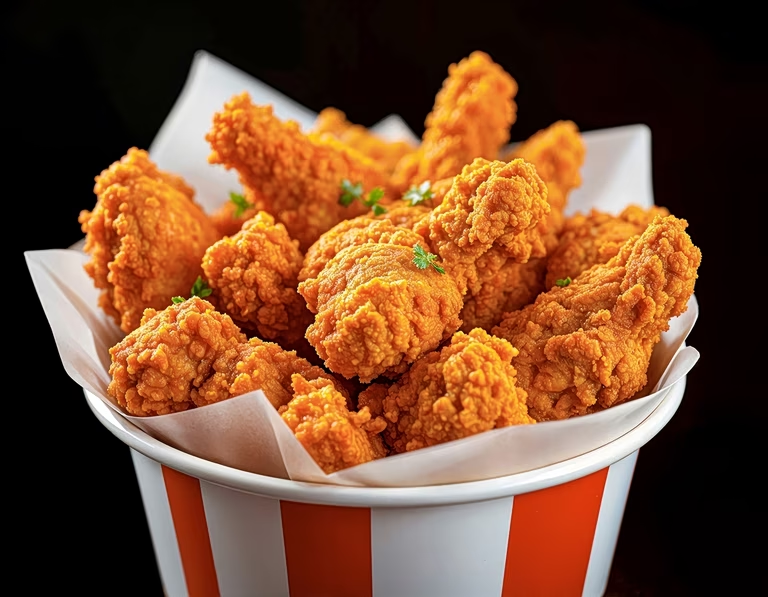
According to market intelligence company Mintel, chicken shops in the UK grew by nearly 39% in 2025 alone. Other Gen Z-focused studies found that as many as 52% of young consumers had increased their preference for fried chicken.
The fast-food industry responded aggressively.
Chicken-focused chains are now among the fastest-growing segments of the UK food market, expanding at rates significantly higher than competing fast-food categories. Gen Z has effectively turned fried chicken spots into social hubs, while major international chains continue opening new locations at an aggressive pace — strong evidence that fried chicken is no longer a trend but a permanent fixture.
Greece’s own fried chicken revolution
Greece has experienced its own fried chicken boom, though not on the scale seen in Britain.
Delivery platform data still shows souvlaki comfortably dominating Greek consumer preferences — proof that Greece’s culinary identity remains deeply rooted in tradition.
Still, change is happening.
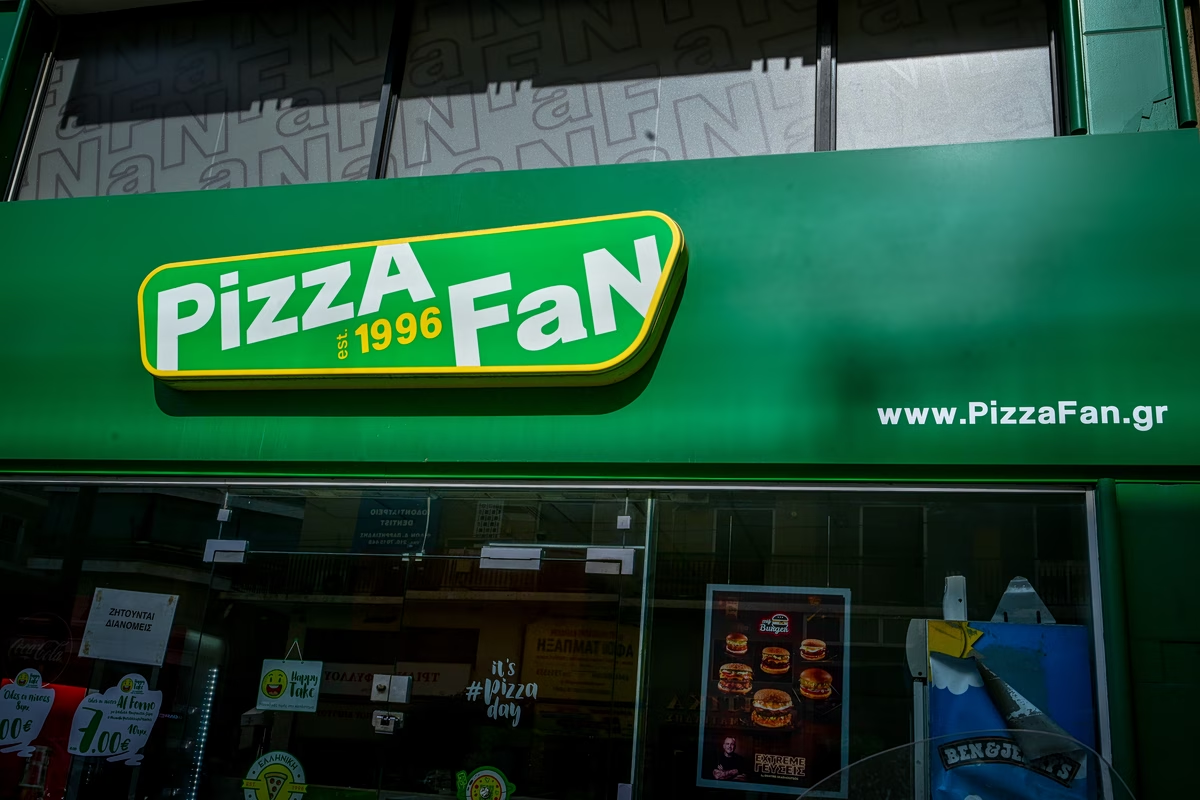
Major international fried chicken brands have begun reassessing and expanding their presence in the Greek market, largely thanks to Gen Z consumers who are deeply connected to international food trends through social media.
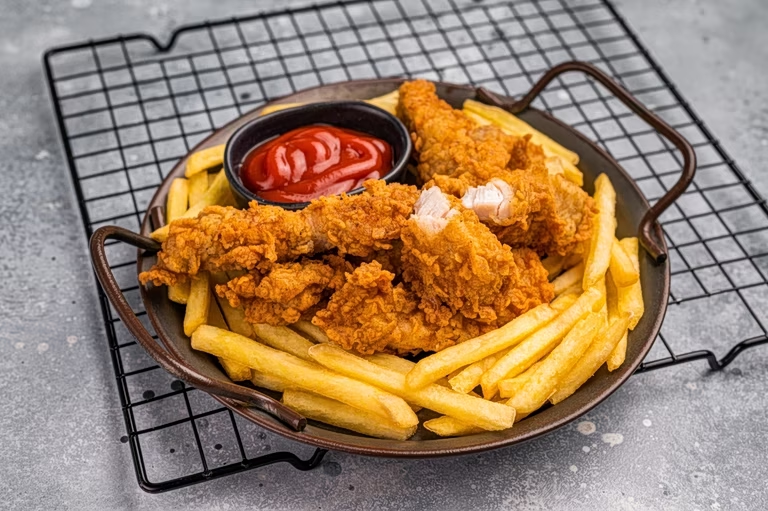
It’s now difficult to find a Greek food creator who hasn’t posted about crispy chicken sandwiches, spicy tenders or loaded fries.
Alongside large chains, dozens of smaller fried chicken concepts have emerged across Athens and Thessaloniki. Even traditional fast-food businesses increasingly add fried chicken to their menus to stay relevant.
Where grilled chicken once dominated, everything is now crispier, spicier and more visually dramatic.
Where to eat fried chicken in Athens
Athens has fully embraced the fried chicken wave. For older Greeks, memories of fried chicken once revolved around “Hryso Kotopoulo” (“Golden Chicken”), a modest fast-food chain on Patision Street in the 1990s. Today, the scene feels like a full culinary revolution.
Tsiken The Van (19 Miaouli Street, Athens)
A street-food favorite in central Athens that built its reputation on exceptionally crispy, juicy fried chicken packed with spices. Originally launched as a food truck, it helped popularize fried chicken in the city in the most cinematic way possible. The chicken tenders have developed a cult following, but first-timers should start with one of the chicken burgers. The brand is also expected to appear in Mykonos this summer.
Crats Fried Chicken (10 2as Maiou Street, Nea Smyrni)
A newer chain originating in Thessaloniki that clearly understands Gen Z aesthetics and flavor preferences. Beyond burgers and wraps, it stands out for its spicy sauces and highly active social media presence, as well as aggressive delivery-platform promotions.
Chicken Queen (47 Eftychidou Street, Athens)
One of the city’s most creative chicken concepts, offering fusion-style interpretations of fried chicken. Signature dishes include the “Mr. Miyaki” burger, lemon-pepper lollipop wings and chicken parmesan. Regulars almost always finish their meal with churros.
Akoko Athens (1 Solomou Street, Neo Psychiko)
Akoko embraces multiple international food trends at once. Alongside fried chicken, the menu includes lobster rolls, handmade sauces and fresh salads designed to balance richer dishes. Many customers also swear by the smash burger made with Black Angus beef.
Raw Street Burger (130 Ymittou Street, Athens)
Originally launched in the central Greek city of Larissa before expanding into Athens and Thessaloniki, Raw Street Burger built its reputation on burgers but gained loyal fans for its breaded chicken offerings. First-time visitors should try the “Klossa Burger,” known for its chipotle spicy sauce.
Jackaroo (73 Kallirrois Street, Athens)
A highly viral Gen Z-oriented spot known for bold flavors and social-media-friendly presentation. The Chicken Melt on brioche bread and fried chicken fingers with aioli sauce are standout choices. Salad is not the point here — this is comfort food at full volume.
Po’ Boys BBQ (Agatharchou & Lepeniotou Streets, Psyrri)
An authentic American-style barbecue restaurant specializing in smoked meats and Southern comfort food. The buttermilk fried chicken burger and Buffalo wings offer one of the city’s closest approximations to classic American fried chicken culture. For the full experience, order the mac and cheese for the table.
A dish born from cultural fusion
The origins of fried chicken reveal a fascinating cultural crossroads.
The most widely accepted version traces the dish to the American South, where Scottish frying techniques merged with the spice-heavy cooking traditions of West African and later African American cooks, who also had a strong frying culture.
One of the earliest written fried chicken recipes appeared in Hannah Glasse’s cookbook The Art of Cookery, first published in Dublin in 1747.
Over the following centuries, fried chicken evolved into one of the defining dishes of the American South before becoming a global fast-food phenomenon in the 20th century, particularly after Harland Sanders founded KFC in Kentucky in 1930 using his now-legendary blend of 11 herbs and spices.