 Μake us preferred on Google
 Large numbers of jellyfish have been reported in parts of the Pagasetic Gulf in central Greece, and the Sporades island chain over recent days, prompting closer monitoring by local authorities, residents and tourism operators ahead of the all-important summer season.
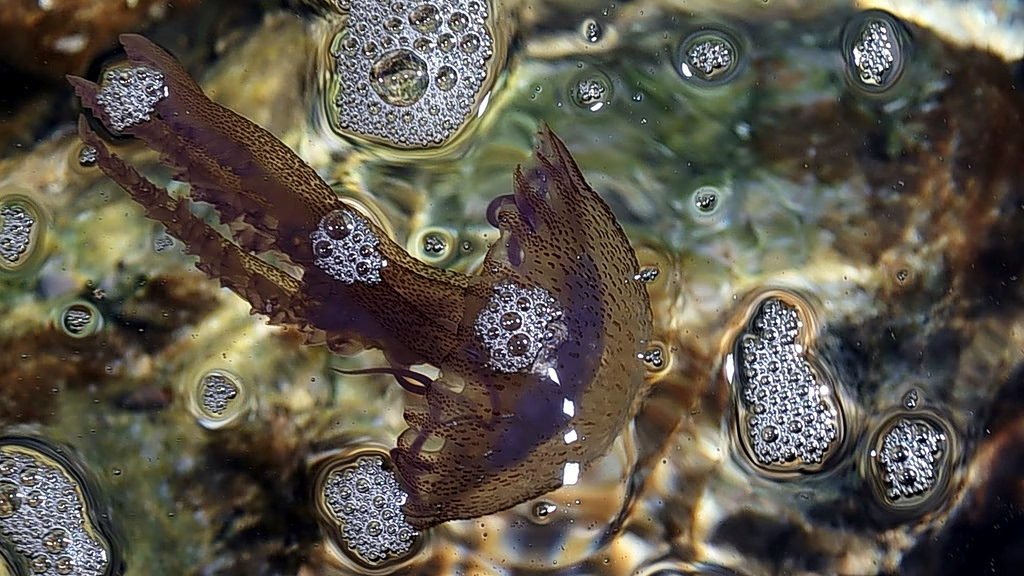
The sightings involve small brown jellyfish that have appeared in coastal waters around Magnesia prefecture, including near the fishing village of Agia Kyriaki Trikeri at the southern edge of the semi-enclosed Pagasetic Gulf. According to local reports, the species was first observed earlier this year in waters off large Evia (Euboea) island before gradually moving northward, likely influenced by sea currents and changing weather conditions.
Images circulating in regional media showed dense concentrations of jellyfish near the sea surface in some sheltered coastal areas, an unusual but not unprecedented seasonal marine phenomenon for the region.
Local business owners and residents have expressed concern about the potential impact on swimming, fishing activity, and tourism during the peak summer period, though no official warnings have been issued regarding significant danger from the species identified so far.
Bathers have nonetheless been advised to exercise caution in areas where jellyfish concentrations are visible, particularly along quieter coves and enclosed coastal waters where such organisms tend to accumulate.
Marine ecosystems in several parts of Greece have experienced periodic jellyfish blooms over the past few years, with scientists linking fluctuations in populations to warmer sea temperatures, shifting currents, and broader environmental pressures in the eastern Mediterranean. Reporting and analysis over recent months have also noted increased monitoring efforts in Greek coastal regions vulnerable to recurring jellyfish activity during late spring and summer.