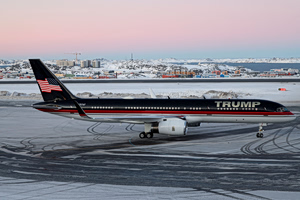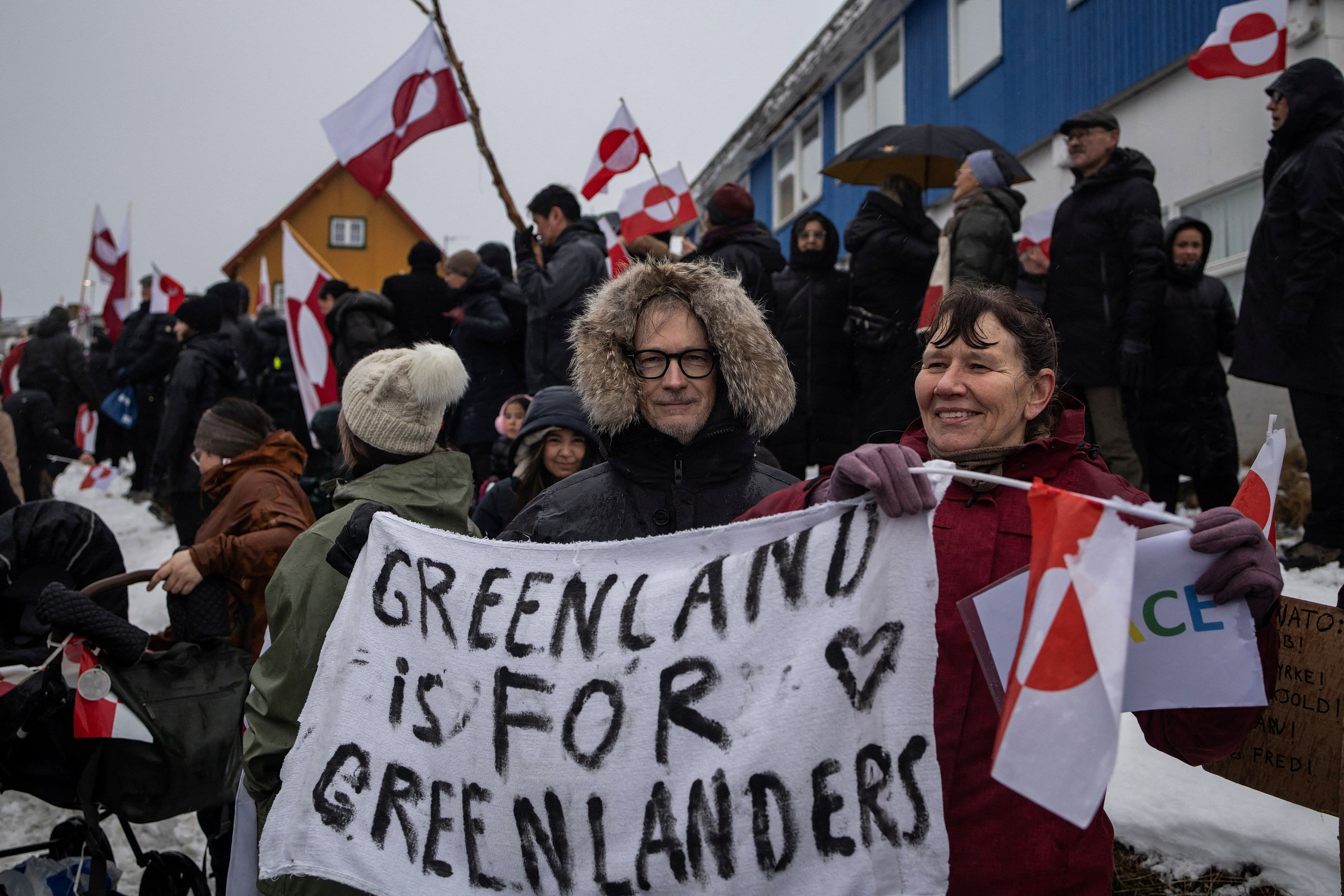
US President Trump just announced that, starting on 1 February 2026, he is imposing a 10% additional tariff on exports to the US from several European countries that resist his declared intention to buy Greenland. The tariff rate will be raised to 25% from 1 June 2026 onwards, unless the issue has been unresolved by then. The countries targeted include France, Germany, the UK, and of course Denmark.
This pronouncement could be a premature April Fools’ Day joke, had we not learnt otherwise from bitter experience over the past twelve months. The reaction of Europe last time such tariff‑related threats were uttered by the US President was total capitulation to Mr. Trump’s whims through an agreement the European Commission President Ursula von der Leyen rushed to sign in July 2025. Will there be any difference in the European reaction this time?
One has to give at least this to President Trump: he is a bargainer and bluffer par excellence. He has plenty of business acumen, and unlimited audacity to boot. In the case of Greenland, he wants to buy this strategically located and raw material-endowed frozen mega‑island and make it part of the USA. The fact that the island is not up for sale does not matter the least. To achieve his goal, he first tried lofty appeals on geopolitical security grounds, and since they did not work, he is now attempting to create a very uncomfortable situation for Greenland/Denmark and their European friends. The imposition of tariffs is a weapon that Mr. Trump has used successfully in the past to extract concessions from others, so he is turning back to it. Is this a substantive threat, though, or just a bluff?
Let’s examine why increased tariffs on exports to the US are such a scary thing for America’s trading partners. Such tariffs certainly make goods more expensive on the US market, resulting in the US consumers’ not buying them in the numbers they did before. Of course, the extent of that depends on the size of the tariffs, the target group among US consumers, and on the uniqueness or replaceability of the given good. For European luxury goods that target the upper strata of US consumers, a 10% additional tariff may not make such a difference, especially when there are no similar products that are cheaper to buy from other countries not subject to the additional tariff. Moreover, tariffs can be reciprocated, so US goods can become 10% more expensive in the EU, if a decision to fight back is taken. The same questions apply: how much are European consumers willing to pay for US products when they become more expensive, and can they be replaced by cheaper alternatives of similar quality? A tariff war between mature economies cannot be expected to yield a straightforward result, and it may end up costing the initial tariff imposer dearly.
Moving up one level, let’s also consider why the US market is so coveted. The US, with its some 340 million people, ranks third in the world in terms of population, well below the first two, namely India and China. In terms of per capita income, it is among the ten first, but not at the top either. What it does top, though, is the per‑capita consumption list, with the US consumer proverbially being “King”. The whole world competes to export to the US, spoiling its consumers further and getting their precious dollars in return.
How precious are those dollars, though? The US national debt stands at roughly USD 37 trillion, a massive figure that exceeds the country’s roughly USD 30 trillion GDP and indicates that Americans are buying a lot of things on credit. Of course, the US is in the unique position of being able to issue virtually unlimited debt in the form of Treasury bonds and other dollar‑denominated securities, which are in turn bought by countries, companies and individuals around the world. It thus provides a common currency and liquidity to the global financial system, a function the US has been performing for decades now. Benefits to it include not only unlimited borrowing from other countries but also the possibility to disrupt other economies, if it excludes them from its financial markets or if it imposes sanctions on them so that their dollar‑denominated transactions cannot be cleared.
For its part, the EU of 450 million people is the world’s top trade bloc. It leads trade in services and comes only second to China in goods. Moreover, although significantly behind the US dollar, the euro is the second most used currency for international transactions. Increased tariffs might cost German luxury car makers and French wine producers some US market share, but they could eventually be compensated by increased trade with China, India, Brazil and other emerging economies, which have a growing upper middle class. Reciprocal tariffs could increase the cost for Europe of IT and other services of US origin, and of US arms, but would this not be a good opportunity to develop those strategic sectors more within Europe, ending dependence on the other side of the Atlantic?
In view of the above, how far should the threat or even the imposition of US sanctions modify the attitudes of European countries, especially when it comes to such a serious issue of sovereignty and territorial integrity, as is the case of Greenland? If European leaders succumb once again to President Trump’s tariff threats and hand over, fully or in part, Greenland to the US, it won’t be tough economic considerations that will have led to that. It will rather be another demonstration of the lack of vision and guts that the leaders of Europe seem to be suffering from these days, which the naked (but admittedly well‑armed) Emperor continues deftly to exploit to his benefit.
Dr. Georgios Kostakos, a former UN Secretariat official, is Executive Director of the Brussels-based Foundation for Global Governance and Sustainability (FOGGS) and a Research Associate of the Hellenic Foundation for European and Foreign Policy (ELIAMEP).