 Μake us preferred on Google
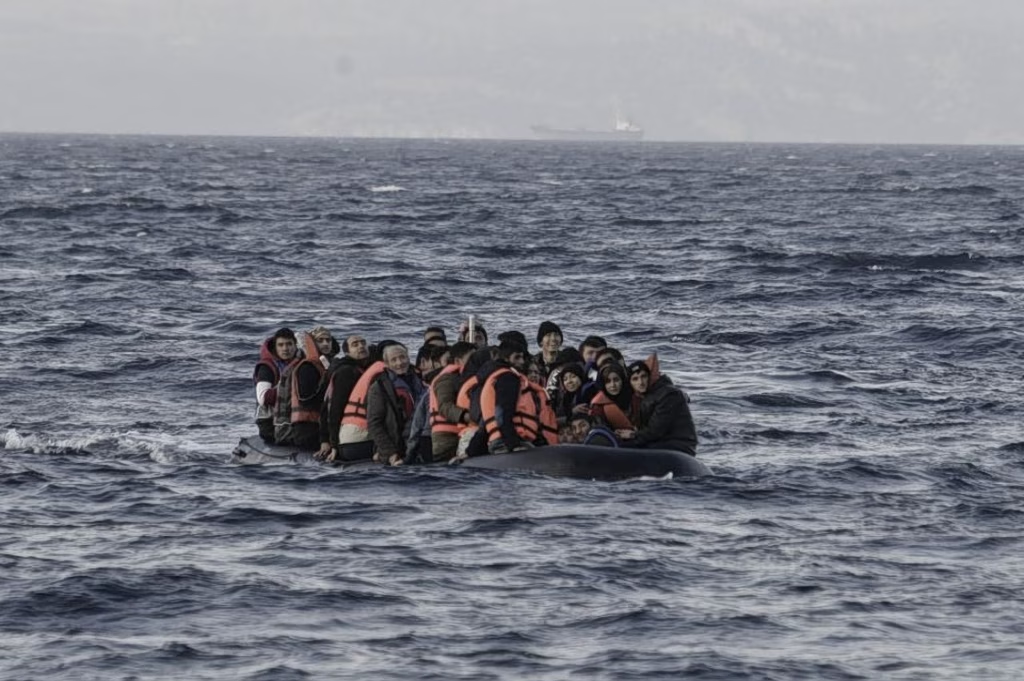
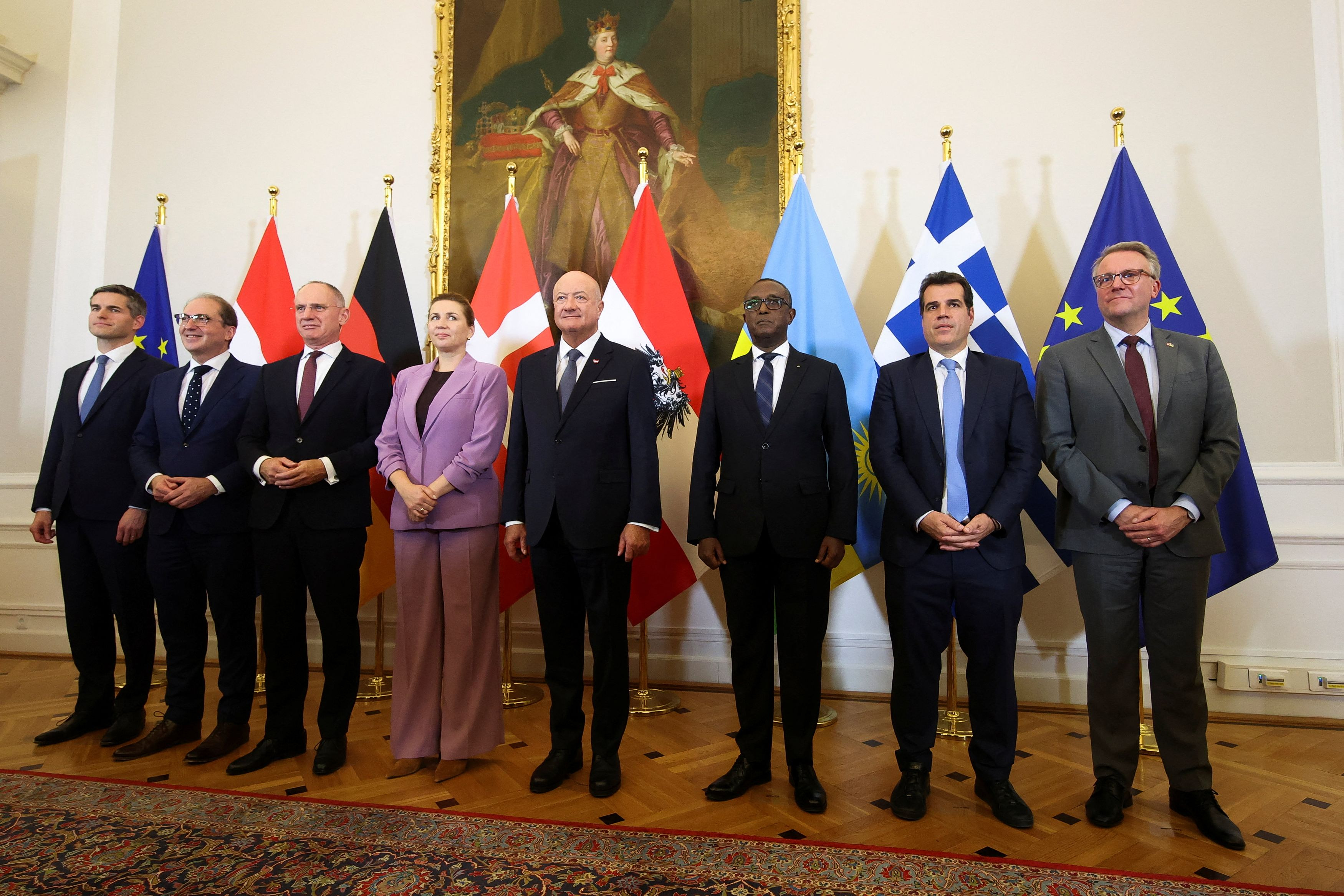
Greece is joining Germany, Austria, Denmark and the Netherlands in an effort to establish a deportation arrangement with Rwanda, opening a new chapter in the European Union’s push to remove migrants who have no legal right to remain in the bloc.
The five governments announced Monday that negotiations with Kigali would begin immediately. Their aim is to have the system operational in 2027, allowing European countries to transfer rejected asylum seekers who cannot be sent back to their home countries.
The proposed facility would function as a transit point rather than a conventional detention center, according to the plan outlined by the participating governments. People transferred there would be given three options: return to their country of origin, make a new life in Rwanda or move to another country where they are legally entitled to live.
The initiative has been under discussion for months. Danish Prime Minister Mette Frederiksen presented it as a way to strengthen Europe’s response to irregular migration, while officials from the five countries hope the prospect of removal outside the EU will discourage others from attempting dangerous journeys to the bloc.
The facility is expected to accommodate around 100 people at any given time.
Rwanda will cover hosting, EU states relocation costs
Kigali has agreed in principle to host people who can no longer legally stay in the participating European countries. Rwandan Interior Minister Vincent Biruta said the arrangement would give them an opportunity to rebuild their lives.
Rwanda does not intend to receive payment for hosting migrants, Biruta said. The European partners would, however, be responsible for the expenses associated with transferring people to the country and supporting those who choose to settle there.
The discussions are taking place under a new EU framework aimed at making the return of migrants without legal residency rights faster. The five countries’ proposal is part of a wider effort by European governments to increase deportations, as immigration becomes an increasingly prominent political issue ahead of elections in several member states.
Human rights concerns over Rwanda’s record
The announcement has met with opposition from 47 humanitarian organizations, trade unions and rights groups, which have called on the governments to withdraw the proposal.
Among the signatories are the International Rescue Committee and the Dutch Council for Refugees. They argue that transferring people to Rwanda could expose them to serious abuses in exchange for a deterrent effect that, in their view, is unlikely to materialize.
Amnesty International has also raised concerns that the arrangement could leave migrants in a situation with limited oversight and accountability.
The criticism comes against the backdrop of longstanding questions about Rwanda’s human rights record. President Paul Kagame has received international recognition for his role in ending the 1994 genocide and overseeing the country’s reconstruction. His administration, however, has faced allegations of restricting political freedoms, silencing critics and supporting armed groups accused of abuses in neighboring Democratic Republic of Congo.
As reported in Reuters, Freedom House gives Rwanda a “Not Free” classification, pointing to reported surveillance, intimidation, arbitrary detention and torture targeting political dissent.
A different approach from Britain’s failed scheme
Rwanda has already entered into migration arrangements with other Western governments. The United States began sending migrants there in 2025 under an agreement allowing for the transfer of as many as 250 people.
A separate agreement with the United Kingdom never took effect. Britain’s Supreme Court ruled the deportation plan unlawful in 2023, leading the government to abandon it. Rwanda subsequently sought £50 million ($63.6 million) after the cancellation.
The EU initiative is narrower in scope than the British proposal. It would concern only individuals who have exhausted every legal route to remain in the bloc, excluding asylum seekers whose claims are still being processed.
The possibility of reusing infrastructure built for Britain’s abandoned scheme has also been raised. During a September visit to Rwanda, two European Parliament lawmakers were shown facilities originally intended for the UK program, including a hotel that could potentially accommodate people transferred from EU member states.