 Μake us preferred on Google
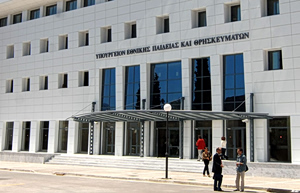
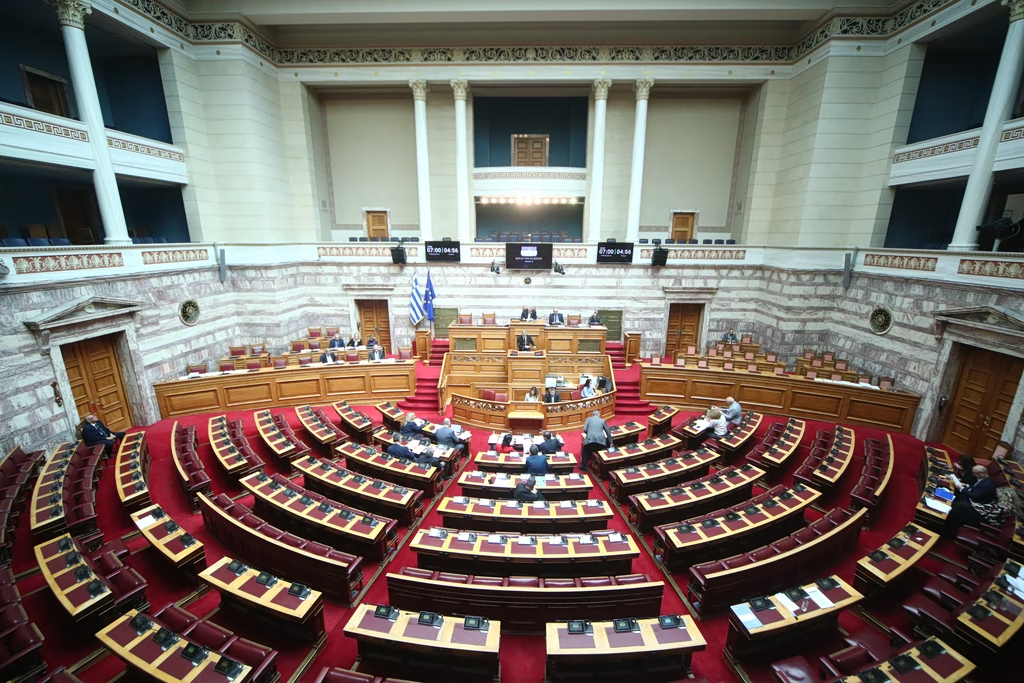
 Greece’s constitutional review committee is today examining proposals to amend Article 16 of the country’s Constitution, with higher education and the future structure of universities at the center of the discussion.
The debate comes amid a broader political initiative by the ruling New Democracy party, which is proposing changes that would allow for the establishment of non-state universities under strict state supervision. The proposal envisions higher education institutions with full administrative autonomy, operating within a framework ensuring quality standards, while remaining subject to state oversight.
According to the party’s position, the reform aims to move Greece away from what it describes as a “state monopoly” in higher education. Supporters argue that opening the sector could expand educational opportunities for young people, strengthen social mobility, and offer alternatives for students who are unable to study abroad or pursue earlier academic paths due to personal or economic constraints.
The proposal also presents a broader ambition to position Greece as an international education hub. It is expected to potentially attract Greek students studying abroad as well as international students and researchers, with proponents suggesting that this could contribute to economic growth, job creation, and increased investment in education and culture.
However, the discussion in the constitutional committee is not limited to policy goals. Key considerations also include the current state of public universities, as well as legal and constitutional interpretations shaped by court rulings and European Union law.
Questions raised during the debate include whether recent judicial decisions on foreign universities affect the need for constitutional revision, how constitutional provisions interact with European legal frameworks, and the extent to which constitutional changes remain necessary in light of evolving legal interpretations.