 Μake us preferred on Google
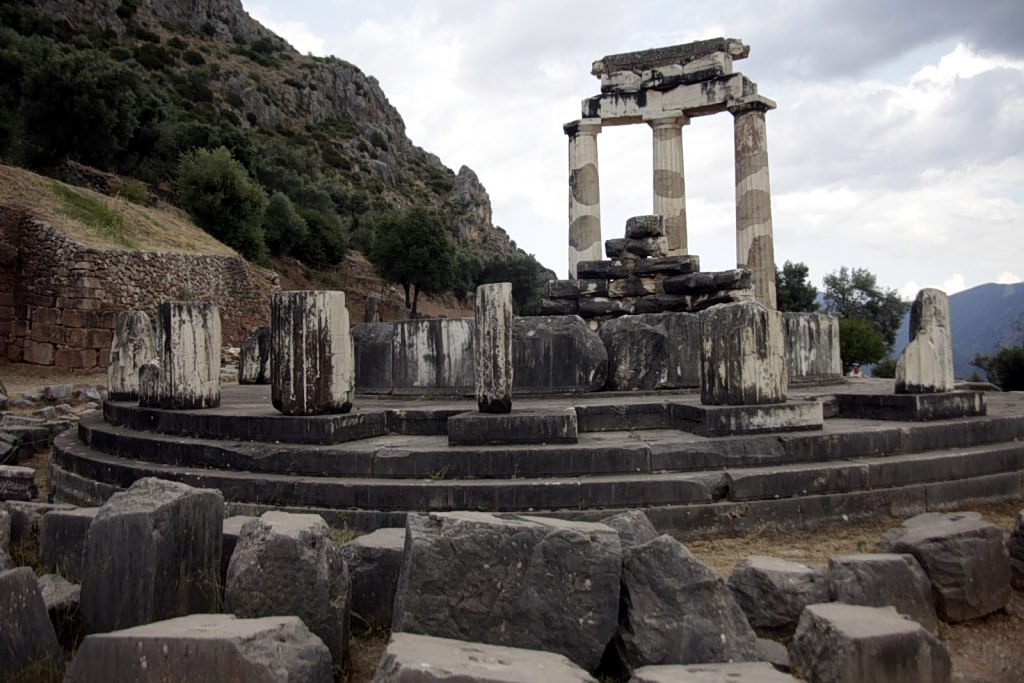
 With a clear strategic goal in sight, Greek diplomacy is moving decisively to accelerate the European Union’s enlargement process in the Western Balkans. The initiative is being set in motion today from Delphi, where senior officials have gathered for the annual Delphi Economic Forum—an international policy event held near the historic site of ancient Delphi.
Greece’s Foreign Minister, Giorgos Gerapetritis, is meeting with high-level representatives from Albania, Montenegro, Bosnia and Herzegovina, Serbia, Kosovo, and North Macedonia. The aim: to reignite momentum for EU accession among the six Western Balkan countries, whose membership bids have long stalled amid what officials describe as “enlargement fatigue.”
Greece–Albania Rapprochement Sets the Tone
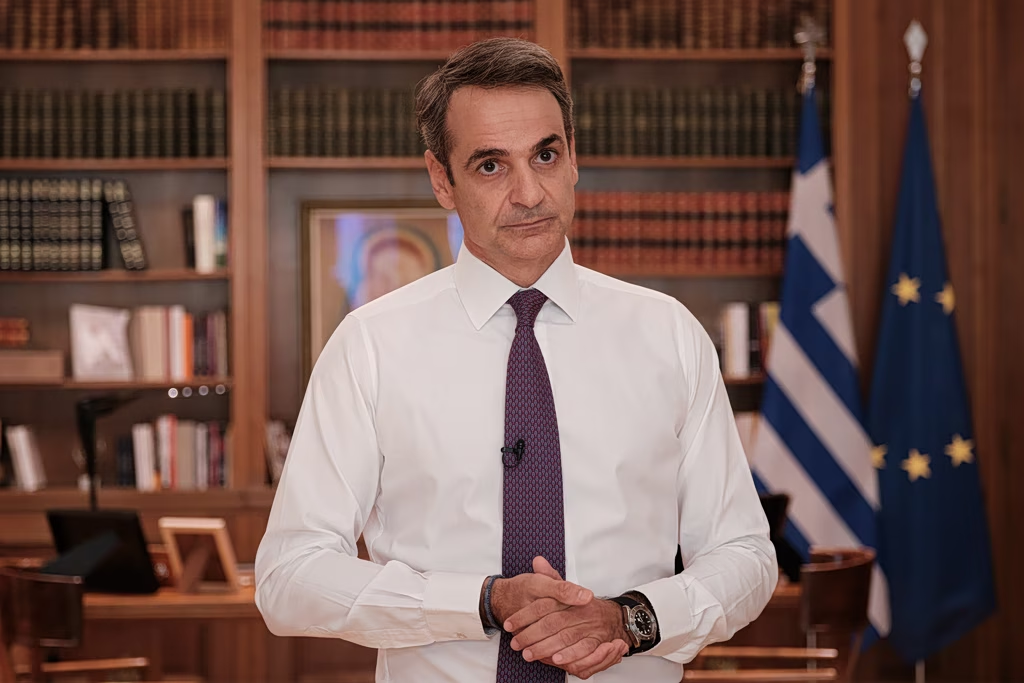
The diplomatic push follows a key development in Athens, where Prime Minister Kyriakos Mitsotakis held talks with Albanian Prime Minister Edi Rama at the Maximos Mansion. The meeting marked a significant thaw in relations between the two countries after a period of tension.
The focus now shifts to Delphi, where Gerapetritis is expected to hold his first meeting with Albania’s newly appointed foreign minister, Ferit Hoxha. Both ministers will also participate in a panel discussion on EU enlargement alongside representatives from all six Western Balkan nations, including Serbia’s Minister for European Integration Nemanja Starović and Kosovo’s Deputy Prime Minister and Foreign Minister Glauk Konjufca.
NEWSLETTER TABLE TALK
Never miss a story.
Subscribe now.
The most important news & topics every week in your inbox.
The “Delphi Declaration” Takes Shape
At the heart of this diplomatic effort is a ministerial meeting scheduled for tomorrow on the sidelines of the forum. According to sources, the meeting is expected to culminate in the signing of a joint statement titled the “Delphi Declaration,” focusing on European integration.
Through this symbolic move, Greece aims to send a strong message of commitment to the EU enlargement process. The timing is significant. It comes shortly after Turkey sought to strengthen its own ties with the Western Balkans during a recent meeting in Antalya—highlighting the growing geopolitical competition for influence in the region.
A Race Against Geopolitical Influence
Athens is positioning itself as a key advocate for the Western Balkans within the EU, emphasizing the urgency of integration not only for economic and political reasons but also for strategic stability. European Commission President Ursula von der Leyen underscored this point recently, warning that the EU must act decisively to prevent the region from falling under Russian, Turkish, or Chinese influence.
Looking Ahead to 2027
Greece’s long-term strategy is closely tied to its upcoming presidency of the Council of the European Union in the second half of 2027. By then, Greek diplomacy aims to secure the accession of at least one Western Balkan country—the one deemed most ready—to the EU.
To that end, Gerapetritis is effectively activating Athens’ broader plan from Delphi, which will soon expand into a diplomatic tour of the six Balkan capitals in the coming weeks.