 Μake us preferred on Google
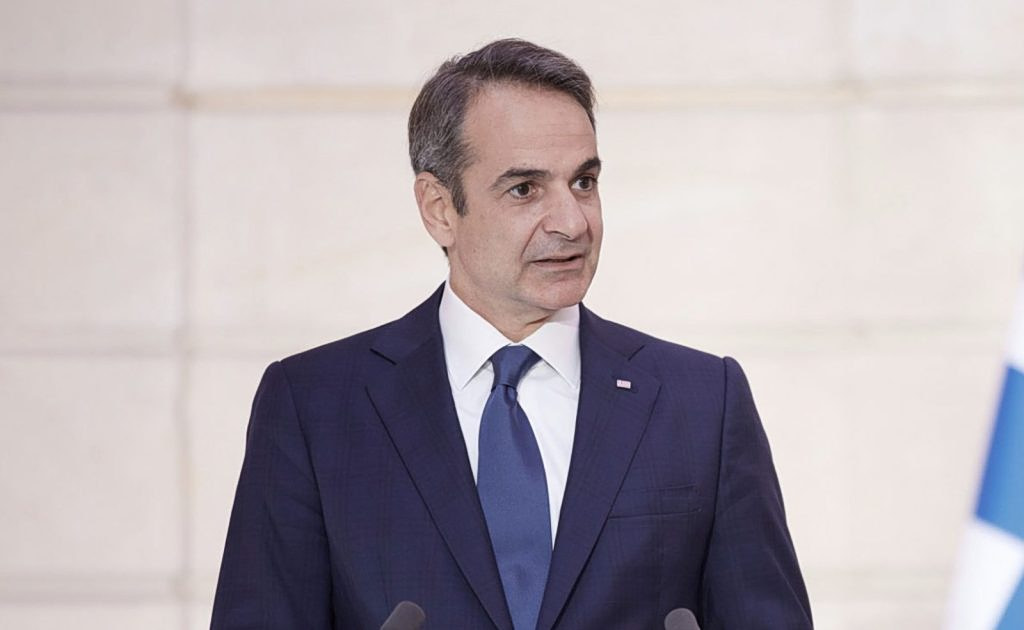
 Greek Prime Minister Kyriakos Mitsotakis on Monday formally opened the debate on a sweeping constitutional reform that he intends to pursue, describing it as a “bold” effort to modernize Greece’s 1975 Constitution and strengthen public trust in the country’s institutions.
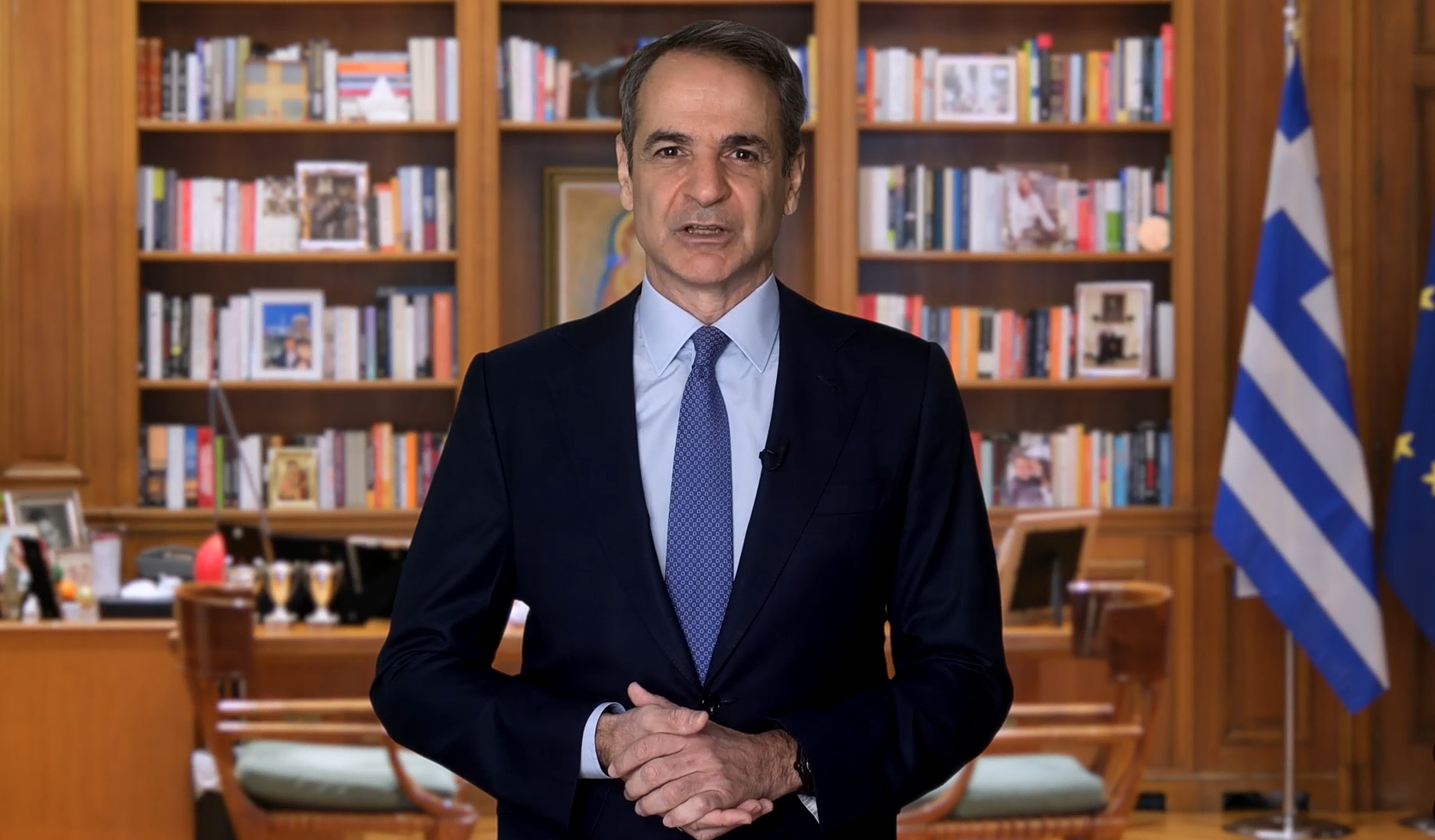
In a televised address and a letter to lawmakers from his governing party, New Democracy, Mitsotakis outlined the core pillars of the proposed overhaul. The initiative, he said, aims to adapt Greece’s constitutional framework to the contemporary challenges it faces, from artificial intelligence and climate change to fiscal discipline and the functioning of the justice system.
The government aims to present a comprehensive proposal in March, with parliamentary procedures set to begin in April.
Why Reform Now?
Greece’s current Constitution was adopted in 1975, following the fall of the military dictatorship. Mitsotakis praised it as a “living text” that has ensured political stability and democratic normalcy for 50 years, noting that it has proven resilient through four revisions and evolving interpretation by state institutions.
But, he argued, the document reflects the realities of another era.
“It belongs to the 20th century,” he said, adding that the Greece of 2026 faces new challenges, such as artificial intelligence, the climate crisis and structural inefficiencies in the state — all requiring structural reform at the constitutional level.
Among the most significant reforms under discussion:
Ministerial Accountability and Article 86
A central proposal is the revision of Article 86, which regulates the criminal liability of ministers. Mitsotakis reiterated his long-standing support for revising said article and argued that the limited involvement of regular judges in investigating alleged offenses by serving ministers undermines public confidence.
In his televised statement the PM called for a stronger and more decisive role for the judiciary in such cases, in order to reinforce impartiality and institutional credibility.
Reforming Public Administration and Civil Service Tenure
The prime minister renewed his criticism of what he described as “the deep state”, namely what entrenched bureaucratic inefficiencies and dysfunction in public administration.
He proposed constitutionally embedding a system of universal performance evaluation in the public sector and redefining the concept of tenure for civil servants. The goal, he said, is to build a public administration that is both effective and citizen-friendly, with accountability as a core principle.
Non-State Universities
Mitsotakis also reiterated his support for ending what he called the “anachronistic monopoly” in higher education.
Another longstanding position of the governing party is the lifting of what Mitsotakis described as an “anachronistic monopoly” in higher education. Although branch campuses of foreign, non-state universities have been allowed under European Union law, the Constitution still restricts the broader establishment of non-state universities in Greece. A constitutional amendment would be required to fully lift that restriction.
Single Six-Year Presidential Term
Another proposed change would establish a single, non-renewable six-year term for the president of the Hellenic Republic. According to Mitsotakis, if implemented it would shield the office from partisan maneuvering linked to potential re-election bids and safeguard its supra-partisan character.
Strengthening Judicial Independence
While recent reforms allow plenary sessions of Greece’s highest courts to express their views on the selection of their leadership, the Constitution still assigns the final decision to the government.
Mitsotakis proposed giving judges a more substantive role in the process, describing it as an additional safeguard for judicial independence.
Fiscal Safeguards and Responsible Governance
The prime minister also called for constitutional provisions to guarantee permanent fiscal balance and sustainability, ensure consistency in government action and promote responsibility in party pledges.
Greece, he warned, must not return to “the dangerous paths of populism,” which he said have proven costly in the past.
Addressing New and Emerging Challenges
Beyond institutional reforms, the proposed overhaul seeks to address issues the current Constitution either overlooks or treats sparingly.
In his letter, Mitsotakis pointed out that the Constitution makes no reference to artificial intelligence, underestimates urgent challenges such as affordable housing and climate change, and does not sufficiently account for the rights and interests of future generations.
He also highlighted delays in judicial rulings that can overturn citizens’ expectations years after decisions are made, arguing for mechanisms that would enable more timely judicial review.
A Call for Consensus
Under Greek law, constitutional revision requires broad parliamentary majorities across successive legislative terms, making cross-party consensus essential.
Mitsotakis said he is inviting not only lawmakers but also political parties and citizens to engage in a constructive dialogue marked by “substantive arguments beyond party expediency.” He expressed hope that the process could counter what he described as political toxicity and entrenched partisan divisions.
“The Constitution itself compels us to seek consensus if we truly want to achieve the major changes our fundamental charter needs,” he said.
Full Text of the Prime Minister’s Address:
Today we open the dialogue on constitutional revision, putting into practice yet another of our institutional commitments. As president of New Democracy, I first sought the views of our parliamentary group. I have therefore addressed its members by letter so that their positions can be incorporated into our final proposal in March. This is, after all, an issue that concerns public life as a whole and, ultimately, every individual citizen.
It is true that for 50 years the Constitution of 1975 ensured stability and political normalcy. It is a “living” text. However, it belongs to the 20th century. It is therefore time to dare major reforms that will strengthen the prestige of our institutions and citizens’ trust, introducing provisions for the better functioning of our system of government in the face of major challenges and keeping pace with new realities such as artificial intelligence and the climate crisis.
It is well known that I strongly believe in a more decisive participation of regular judges in cases concerning the potential criminal liability of ministers while they exercise their duties. I have defended the revision of Article 86 for 20 years. I am equally clear in my commitment to combating the “deep state.” A public administration that is citizen-friendly and effective must now be driven by continuous evaluation and place the concept of tenure on an entirely new foundation.
I have also supported lifting the outdated monopoly in higher education through the establishment of non-state universities. Likewise, I support protecting the institution of the president of the Republic by establishing a single six-year term. I have also proposed greater and more substantive participation of judges themselves in the selection of the leadership of the highest courts — an additional safeguard for judicial independence.
I repeat that our intention is a bold and far-reaching constitutional revision that responds to the needs of our times. It must include safeguards guaranteeing permanent fiscal balance, consistent government action and the credibility of party promises, so that the country never again slides down the dangerous paths of populism — paths whose disastrous consequences we have unfortunately paid for dearly.
I share these initial thoughts, inviting parties and citizens to engage in constructive reflection — with positive proposals and a sense of shared responsibility toward our homeland and its future. Society itself is asking for broader consensus. With substantive arguments beyond partisan considerations, and with the goal of a modern European democracy, this is a dynamic step forward that we must — and can — take together.
Moreover, the Constitution itself requires us to seek consensus if we truly want to achieve the major changes our fundamental charter needs.
I hope that the constitutional revision process will serve as a response to the toxicity and sterile partisan entrenchment that characterize our political system.