In a strategically significant initiative to address growing geopolitical security challenges in the Aegean and Eastern Mediterranean, Athens is rapidly advancing the implementation of a new Command and Control System under the Ministry of Maritime and Island Policy.
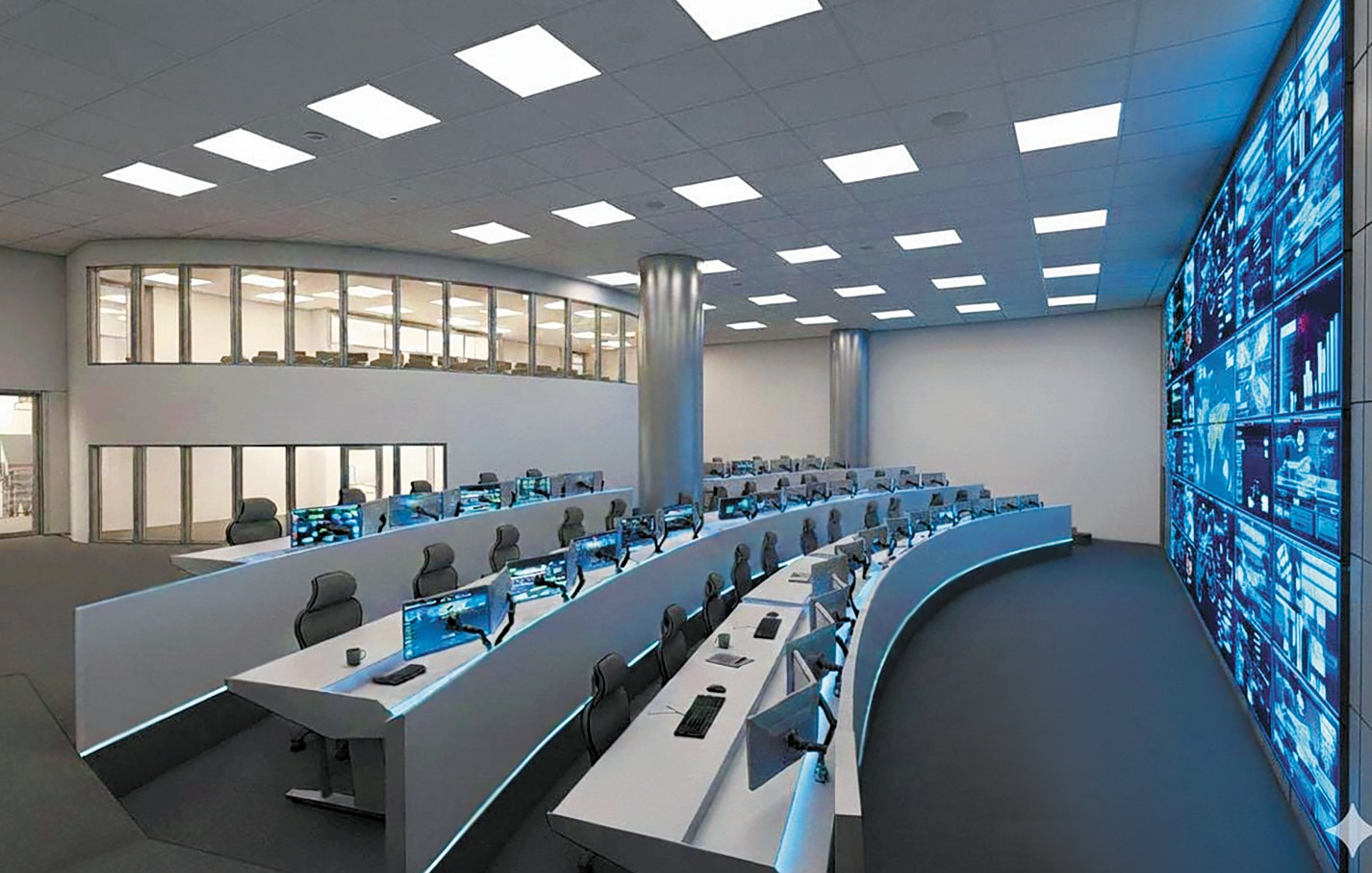
At the same time, a state-of-the-art Coast Guard Operations Center is being established on Vasileiadis Quay, where personnel will receive and evaluate all incoming data from Greek—and not only Greek—maritime territory, monitoring their area of responsibility in real time.
Real-Time Data from Multiple Sources
According to To Vima, the primary goal of Greek authorities is to operate a unified platform that consolidates information from a wide range of sources. This aims to both avoid the current fragmentation that reduces efficiency and ensure the best and most coherent monitoring of critical issues: from maritime safety and combating organized crime and illegal fishing to managing irregular migration and search-and-rescue (SAR) operations. It is noted that the Turkish Coast Guard has historically been involved in the latter, with Ankara indirectly—but clearly—raising sovereignty and jurisdiction issues in the Aegean and Eastern Mediterranean.
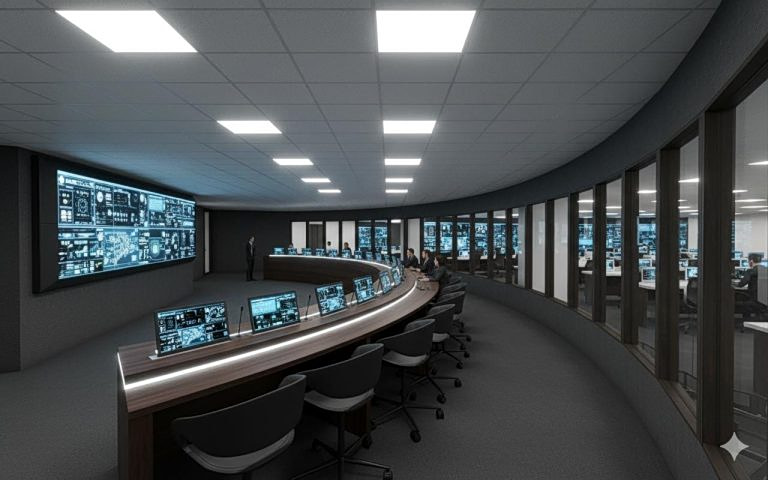
An informed senior source told To Vima that the Coast Guard’s current structures are insufficient to meet these obligations. “The service must patrol marine parks (official approval expected in 2026 from the Council of State), continuously monitor migration flows, oversee maritime transport, and soon protect drilling sites (in the Ionian Sea, south of the Peloponnese, and west and south of Crete), as well as electrical interconnections.”
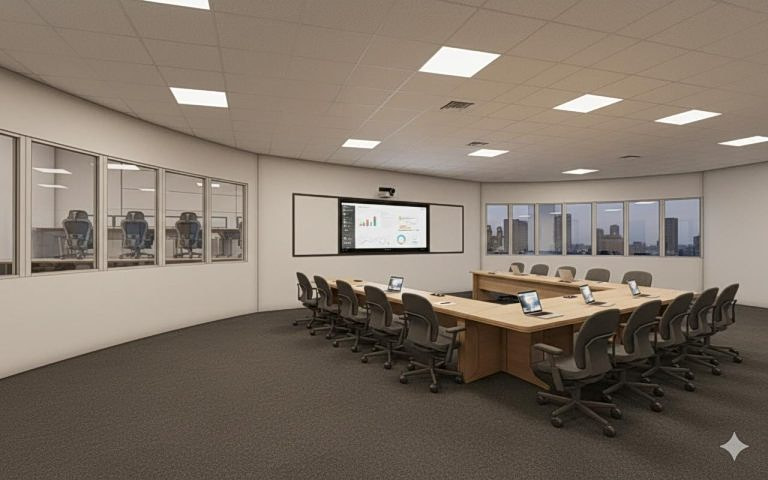
New Operations Center and Interagency Coordination
The same source explained that the Merchant Marine Operations Room is no longer adequate. The new Coast Guard Operations Center will also serve as a coordination platform with the Greek Armed Forces, Civil Protection, the Ministry of Citizen Protection, and international agencies such as Frontex.
Exclusive information from To Vima indicates that the Ministry of Maritime Affairs aims to launch the tender for the Operations Center in mid-January, with a contractor selected by spring and project completion before the end of 2026. Part of the funding will come from the EU’s Recovery and Resilience Facility (RRF).
The plan has been submitted to the Prime Minister, Kyriakos Mitsotakis, who described it as a reform initiative serving a national—not merely governmental—purpose.
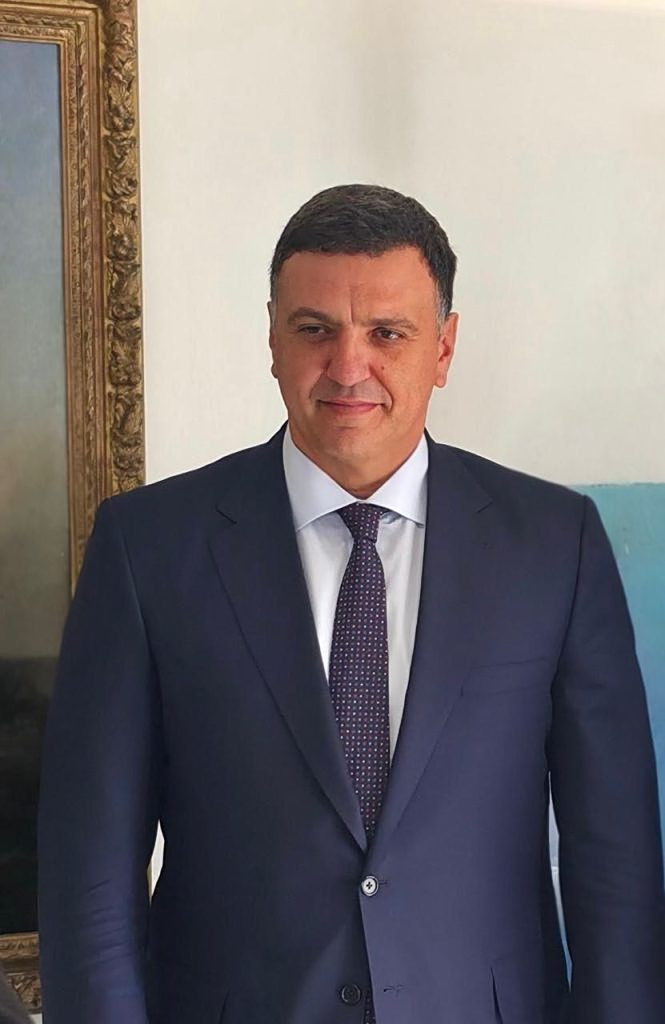
Minister Vassilis Kikilias emphasized the importance of implementing the “Aegis 2” equipment program, including AI tools and state-of-the-art vessels for the Coast Guard, which will be coordinated from the new Operations Center. “This will provide our men and women in the Coast Guard with the most powerful, latest technology to perform their duties professionally and responsibly, addressing the challenges of maritime policing, marine parks, the Exclusive Economic Zone (EEZ), drilling, fishing, and marine resources.”

Migration and Field Operations
Among the daily security challenges faced by the Coast Guard, migration is a priority. The so-called “southern corridor” has now replaced flows from Turkish coasts. Notably, over 3,000 people arrived in southern Crete from Libyan coasts in December alone, a more than 400% increase compared to 2024.

Meanwhile, Egypt hosts over 5 million migrants, while the situation in Sub-Saharan Africa—particularly Sudan (civil war) and Somalia (climate crisis)—is spiraling out of control, making migration a potential ticking time bomb not only for Greece but for Europe as a whole.

An official source explained that new open-sea Coast Guard vessels (“80-meter class”) deployed south of Crete, along with other assets, will remain in constant communication with the Operations Center, enabling Greek authorities to monitor the maritime area up to the Libyan coast and respond effectively and promptly.
Google Satellites and Marine Parks
As reported exclusively by To Vima in September, Athens has adopted innovative monitoring methods for two marine parks in the Ionian Sea and southern Cyclades—and eventually for all Greek territorial waters and EEZs—through a Cooperation Memorandum signed between the Ministries of Environment, Rural Development, and Maritime Affairs, and Global Fishing Watch (GFW), a Google subsidiary using satellites to monitor the seas.

The main goal is to ensure safety and legality within the parks, particularly regarding illegal fishing and other environmental violations. The GFW satellite network will integrate with the Coast Guard’s Vessel Monitoring System (VMS), providing a larger and more effective information flow.

Through this collaboration, Greek authorities will have a complete view of fishing vessels operating in designated protected areas, including the Kinaros–Levithon complex east of Amorgos. The sovereignty of these islands is disputed by Turkey under the so-called “gray zones” theory. Incursions by Turkish fishing vessels into Greek waters could trigger potential incidents, but the Coast Guard will soon have all necessary monitoring systems to prevent such practices. Sources familiar with Turkish fishing movements told To Vima that Google’s monitoring will allow the Coast Guard to fully track illegal vessel and Coast Guard activities.
The Ministry of Maritime Affairs, with funding from the A.K. Laskaridis Foundation, is training over 100 Coast Guard personnel on GFW digital monitoring tools, which will be deployed within the Operations Center. Completing this training is a prerequisite for integrating satellite data into the Command and Control System. Government sources stress: “Greece must and will fully safeguard its seas. It is a maritime nation, becoming an energy hub, and possesses the largest merchant fleet in the world.”