 Μake us preferred on Google
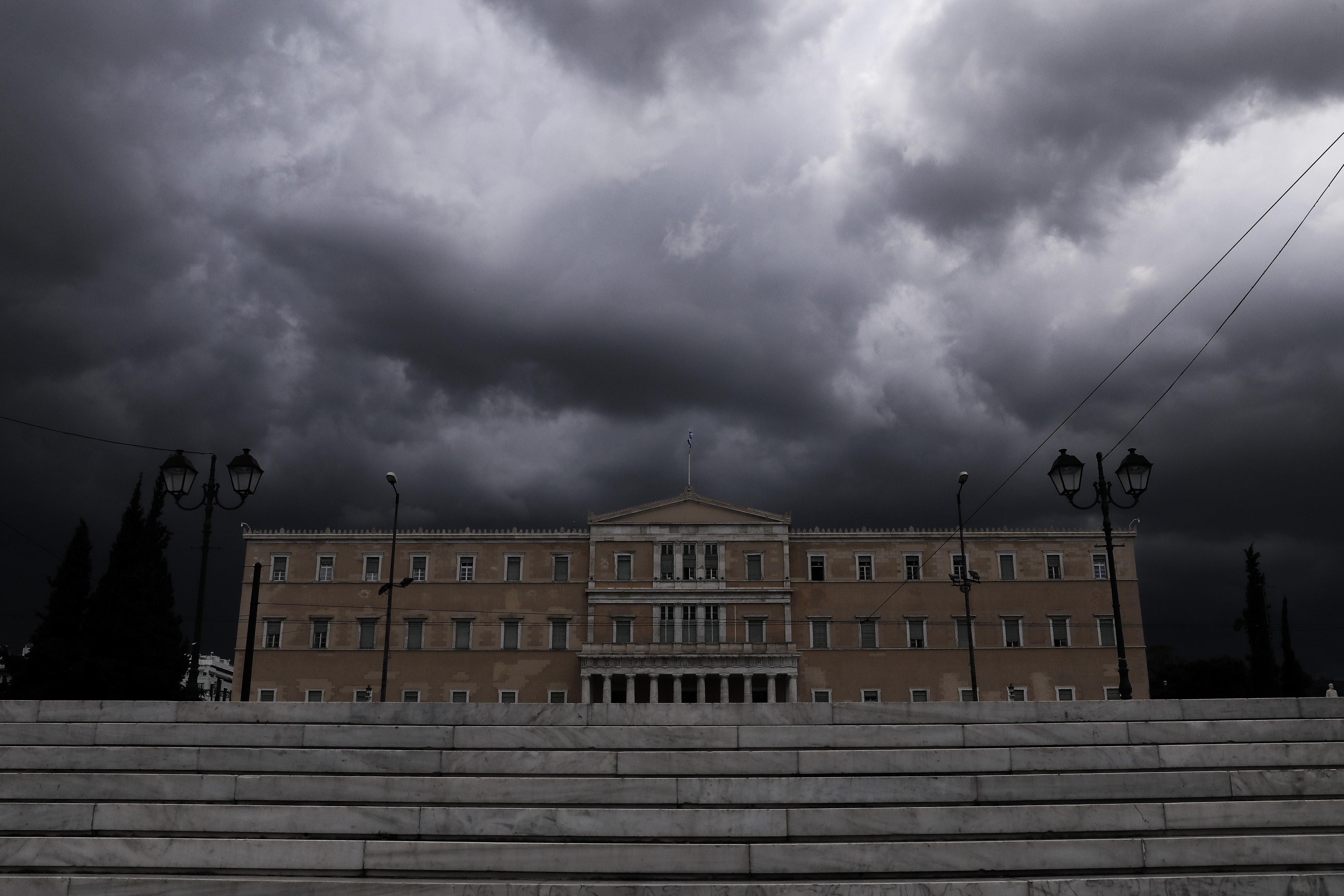
 Greece’s parliament is navigating another turbulent stretch, as the ruling New Democracy party moved last week to shut down in rapid succession a series of politically charged parliamentary proceedings, triggering a wave of institutional unease.
Within the space of three days, the government of Kyriakos Mitsotakis pushed through a sequence of moves that opposition parties and some ruling party lawmakers themselves have described as deeply troubling. The parliamentary Committee on Institutions and Transparency heard testimony from Themistoklis Demiris, the director of the National Intelligence Service (EYP), Greece’s domestic intelligence agency. The committee also attempted to summon Supreme Court Prosecutor Konstantinos Tzavellas, who declined to appear, citing the separation of powers. Rather than allow committee members to respond, the ruling majority moved to effectively cancel the session.
Parliament also voted down a proposal to establish a preliminary investigative committee into former ministers Spilios Livanos and Foteini Arampatzi over the OPEKEPE agricultural subsidy scandal, with the ruling majority rejecting the cross-party proposal.
The most contentious move came when parliament blocked the formation of a full investigative committee into the wiretapping scandal, a long-running affair involving the illegal surveillance of politicians and journalists using Predator spyware. Under Article 144 of the parliamentary rules, a minority of 120 lawmakers can compel the formation of such a committee regardless of the majority’s position, a right that was exercised without incident in 2022. This time, the ruling majority required a threshold of 151 votes, effectively neutralizing the minority right. A PASOK proposal to form the committee was defeated. The opposition walked out en masse from Friday’s parliamentary session, reinforcing the sense of an institution under severe strain. Only Zoe Konstantopoulou’s Plefsi Eleftherias party remained, on the grounds that “the voice of the opposition must be heard.”
A party in two minds
The maneuvers did not sit easily with everyone inside New Democracy. Some ruling party lawmakers privately described the week’s events as a “big bang” moment, a deliberate effort to clear the decks. Others were visibly uncomfortable.
“You cannot deal with serious institutional matters through legalistic tricks,” one ruling party lawmaker said privately. Several others expressed concern about the precedent being set. “What are we as lawmakers supposed to do if a measure comes through, as is being discussed, that would offer more favorable treatment to certain individuals,” one lawmaker said, in an apparent reference to those convicted in connection with the wiretapping scandal, “how do we defend that institutionally?”
In meetings held inside New Democracy in the days leading up to the investigative committee vote, senior party officials did not rule out the possibility that the main opposition could table a no-confidence motion against the government. That option remains on the table for PASOK leader Nikos Androulakis, as does a separate censure motion against parliamentary Speaker Nikitas Kaklamanis.
A fractured political landscape
The government’s rush to shut down any further investigations into the two scandals that have plagued it for the last several years, is unfolding against an increasingly fragmented political backdrop. Maria Karystianou, who lost her daughter in the Tempi railway disaster and has become an increasingly prominent voice, has already announced the formation of her new political party. Former prime minister Alexis Tsipras is expected to announce his new party on Tuesday. Former prime minister Antonis Samaras also drew attention last week when he delivered a sharp intervention during the investigative committee debate, making pointed remarks about both the wiretapping affair and Greek foreign policy. His remarks have fueled speculation that he too may be considering founding a party, a step that people close to him are said to be urging.
A society that stopped believing
The institutional turbulence is landing in already hostile terrain. A recent poll conducted by Metron Analysis for the “Kyklos Ideon” think tank of former Deputy Prime Minister and constitutional law professor Evangelos Venizelos found that 80 percent of respondents said they did not believe justice would be served in the Tempi, OPEKEPE, or wiretapping cases.
Venizelos described the findings as a portrait of “an insecure, dissatisfied, fearful society, one that does not easily buy into dominant narratives such as the return to normalcy.” He added: “Society has become suspicious, and anyone who takes it to be credulous or naive is making a very serious mistake.”
Several lawmakers, including some within New Democracy, warned that the government’s handling of these cases is accelerating the erosion of public trust in parliamentary institutions, and risks undermining the constitutional revision process that Prime Minister Kyriakos Mitsotakis has framed as a landmark reform, calling for an “institutional break and a leap forward” and a “roadmap with guiding compasses for public life and the political system in the new era.” Whether that vision survives the fallout from last week remains an open question.