 Μake us preferred on Google
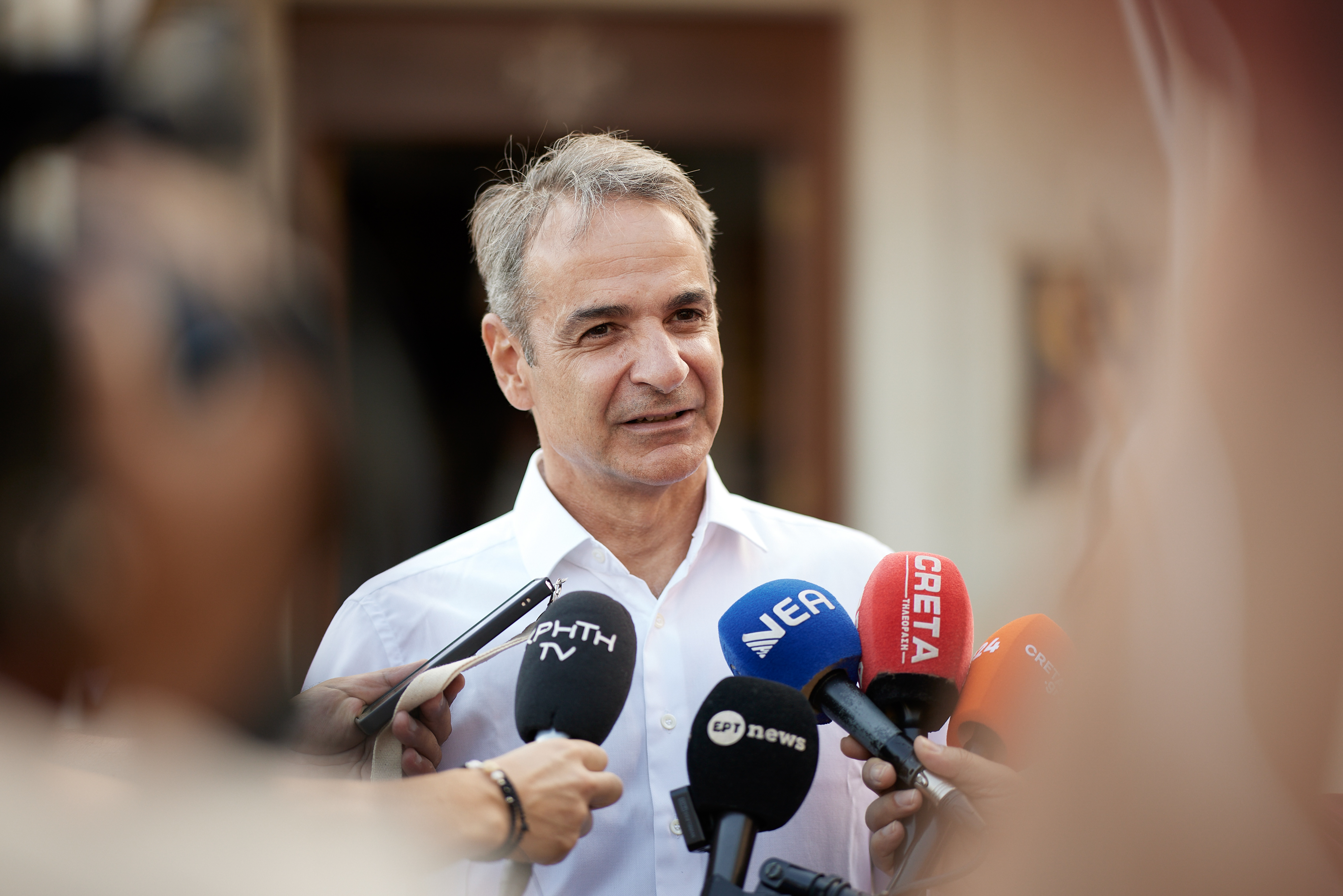
 Prime Minister Kyriakos Mitsotakis publicized Greece’s plan to prepay 13 billion euros in debt this year with a social media post celebrating the move as proof his government’s economic policy is working.
“The reduction of public debt is a national duty,” Mitsotakis wrote in a Facebook post, arguing that a country’s debt is an intergenerational issue that ultimately becomes a burden passed down. The PM said Greece is now “breaking that destructive chain,” cutting public debt faster than any other European country, and suggested that the early repayment plan announced this week means Greece will shed its status as the most heavily indebted country in Europe.
Kyriakos Mitsotakis also suggested that the news might not attract wide attention or be easily understood by the public, but called its substance invaluable, saying it translates into greater fiscal freedom for the state and, eventually, lower burdens on citizens, particularly younger Greeks. He described debt reduction as one of his central commitments in office and credited what he called the sustained efforts of the government and the Greek public for delivering it.
Mitsotakis pointed to a longer term target as well, saying that by 2031, public debt is projected to fall below 110 percent of GDP, following a decline of roughly a third since 2021. He said that trajectory translates into greater national credibility, better borrowing terms for the state and businesses, and broader prosperity.
He also cast his government’s decision to proceed with the early debt repayment plan, in terms that pushed back directly against critical coverage, describing it as “a national success beyond and above the daily partisan misery and grumbling.” He called the repayment plan one of the most substantive achievements of the Greek people and said it reflects the optimistic message now coming from a dynamic economy, offering the country prospects and hope. He closed the post with the phrase “We said it. We are doing it. And we continue.”
What the budget data show
Budget execution figures released around the same time complicate that framing. According to those figures, tax revenue from wage earners and the self employed was again the primary driver behind the state’s higher than expected income this year, the same dynamic that has underpinned previous years’ surpluses. The Prime Minister’s post fails to address that detail or the difficult economic realities many Greek households face. His only reference to future relief for households was a general mention of “lower burdens for citizens,” without specifying measures, timing or scale.