
 Μake us preferred on Google
 Greece has recorded 27 new West Nile virus cases and five additional deaths over the past week, according to the latest epidemiological data, as transmission by infected mosquitoes remains high despite the arrival of autumn weather.
The total number of cases since the beginning of the year through October 1, 2026, has reached 423, while 41 people have died.
Most of those who died were elderly, with ages ranging from 61 to 92. The majority were over 75, with an average age of 83.
271 patients developed neurological symptoms
According to the weekly epidemiological report of Greece’s National Public Health Organization (EODY), 271 of the 423 patients developed severe disease involving the central nervous system.
The youngest patient with severe neurological symptoms was 7 years old.
Serious neurological complications included encephalitis, meningitis and acute flaccid paralysis.
Another 152 patients experienced severe symptoms without involvement of the central nervous system.
Only 34 of the 423 patients did not require hospitalization. A total of 52 patients remain hospitalized, including 16 in intensive care units and 36 in regular hospital wards.
So far, 295 patients have recovered and been discharged, while 41 have died.
Municipalities remain at high risk
The following municipalities remain classified as high-risk areas for West Nile virus transmission:
- South Athens: Nea Smyrni, Palaio Faliro
- Central Athens: Nea Filadelfia–Nea Chalkidona, Dafni–Ymittos
- Piraeus regional unit: Nikaia–Agios Ioannis Rentis
- Karditsa regional unit: Mouzaki
- Trikala regional unit: Farkadona
- Serres regional unit: Amphipolis, Emmanouil Pappas
- Thessaloniki metropolitan area: Neapoli–Sykies, Pavlos Melas, Oraiokastro, Pylaia–Chortiatis
- Pieria regional unit: Pydna–Kolindros
- Corinthia regional unit: Corinth
- Rodopi regional unit: Arriana
- Heraklion regional unit: Hersonissos
- Tinos regional unit: Tinos
Cases recorded in 87 municipalities
West Nile virus cases have been recorded in 87 municipalities across Greece, including 43 in the Attica region.
In eastern Attica, cases have been reported in Acharnes (6), Vari–Voula–Vouliagmeni (14), Dionysos (1), Kropia (5), Lavreotiki (4), Marathon (7), Markopoulo Mesogaias (15), Paiania (5), Pallini (8), Rafina–Pikermi (2), Saronikos (7), Spata–Artemida (21) and Oropos (3).
In northern Athens, cases have been recorded in Agia Paraskevi (15), Amarousion (7), Vrilissia (4), Iraklio (1), Kifisia (6), Lykovrysi–Pefki (2), Metamorfosi (2), Nea Ionia (1), Papagou–Cholargos (5), Penteli (5), Filothei–Psychiko (2) and Chalandri (13).
In western Attica, cases have been reported in Fyli (2) and Aspropyrgos (2).
In western Athens, cases include Agioi Anargyroi–Kamatero (4), Petroupoli (1), Haidari (1) and Ilion (3).
In central Athens, cases have been recorded in Athens (9), Galatsi (1), Zografou (3) and Ilioupoli (1).
In southern Athens, cases have been reported in Agios Dimitrios (1), Alimos (4), Glyfada (5), Elliniko–Argyroupoli (6), Kallithea (3) and Moschato–Tavros (2).
In Piraeus, one case has been recorded in the city, one in Korydallos, while three cases remain under investigation.
The EODY report also records cases in municipalities across the rest of Greece, including areas of Karditsa, Larissa, Trikala, Imathia, Thessaloniki, Pella, Pieria, Serres, Kilkis, Laconia, Boeotia, Evia, Rethymno, Heraklion, Rodopi, Evros and Lefkada.
Most infections cause no symptoms
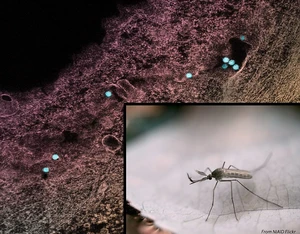
West Nile virus is transmitted through the bites of infected mosquitoes. In most cases, however, infection does not cause symptoms.
A previous study estimated that for every patient who develops severe neurological symptoms, there are approximately 140 people who are asymptomatic or experience mild symptoms without knowing they are infected.
Based on that estimate and the 271 patients who have developed central nervous system symptoms this year, the actual number of infections in Greece could be as high as 38,000.
One additional case is listed separately because the infection appears to have occurred either in Attica or on the island of Tinos.