
 Μake us preferred on Google
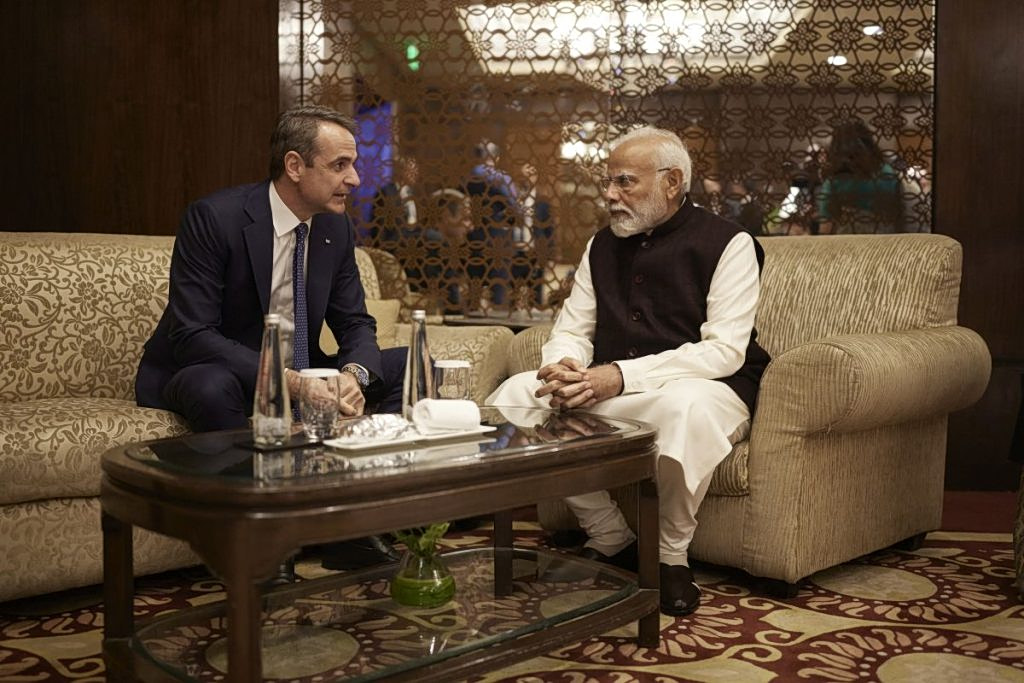
 Greek Prime Minister Kyriakos Mitsotakis met with his Indian counterpart Narendra Modi on the sidelines of the AI Impact Summit on February 18, 2026, as Athens and New Delhi seek to further strengthen their strategic partnership.
The meeting focused on expanding economic ties between the two countries, building on the agreement reached in Athens in August 2023, when bilateral relations were formally upgraded to a “Strategic Partnership.” That framework was reaffirmed during Mitsotakis’ visit to New Delhi in February 2024.
Target: Doubling Trade by 2030
A central political and economic objective set by both leaders is to double bilateral trade by 2030. According to available data, trade volume reached a historic high of $1.94 billion in the 2022–23 fiscal year, marking strong average growth over the previous four years.
While the following year saw a statistical correction—largely due to a decline in petroleum exports that had previously driven figures higher—Greek exports excluding fuel products showed resilience. Circular economy materials such as aluminum and paper scrap, as well as high-quality agri-food products including Corinthian raisins, have emerged as stable growth sectors.
India’s economy continues to expand at a robust pace of around 6.5%, reinforcing its position among the world’s largest economies and creating opportunities for deeper trade in goods and services.
Greece as India’s Gateway to Europe
Athens is positioning itself as India’s gateway to Europe, particularly through the India–Middle East–Europe Economic Corridor (IMEC), a multimodal transport network announced in 2023. The corridor aims to link India to Europe via the Middle East, reducing transport time and logistics costs compared with traditional routes.
In this context, the Port of Piraeus—Greece’s largest port in the Eastern Mediterranean with direct rail links to Central Europe—is seen as a natural entry point into the European market. Greek ports more broadly are viewed as strategically located hubs connecting Europe, Asia and Africa.
Investment, Tourism and Emerging Sectors
Indian investment in Greece is already visible in major infrastructure projects such as the new airport in Kasteli, Crete, as well as in real estate and tourism. A direct air connection planned for 2026 is expected to further boost tourism and business ties.
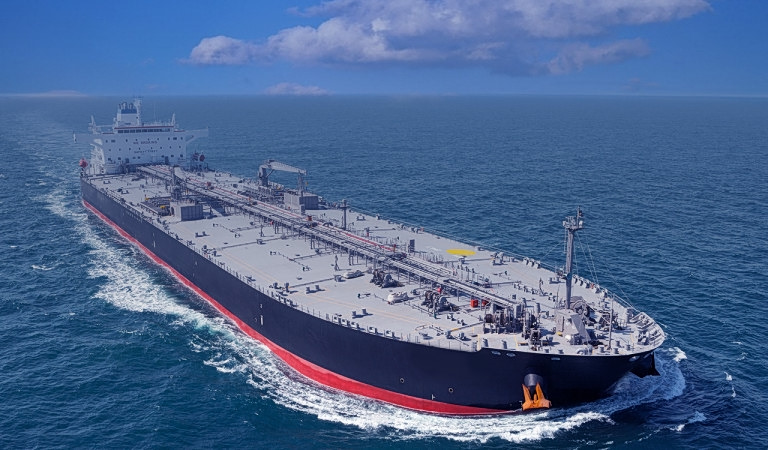
Opportunities for expanded cooperation include agri-food exports such as olive oil, cheese, wine and fruit, construction materials like aluminum and marble, maritime services and logistics, pharmaceuticals, renewable energy and green hydrogen infrastructure.
With India emerging as a global leader in services exports—particularly in information technology—Greek technology and shipping companies are also encouraged to explore new synergies.